Iran's Boiling Point: The Real Power Game Behind the Scenes
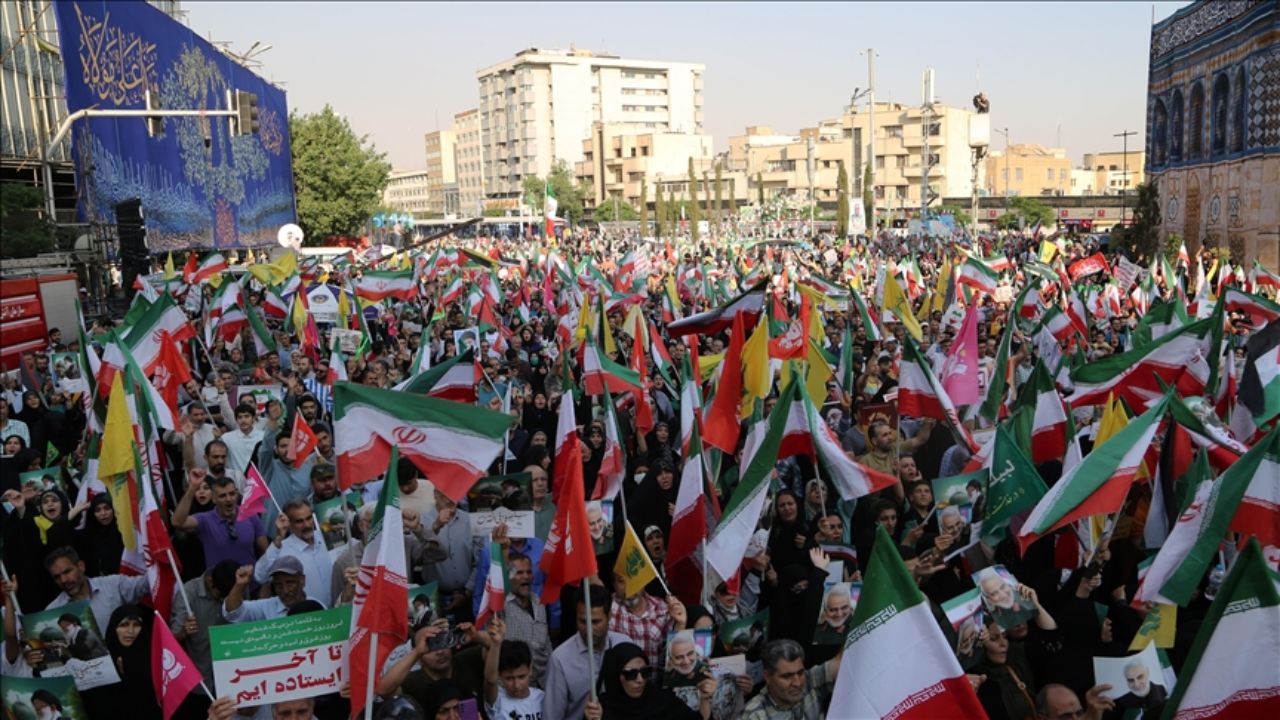
New Delhi: Iran is currently in the grip of severe turmoil. Large-scale protests rage in the streets, violence is escalating, and lives are being lost. The US and Israel continue to pressure for the weakening or downfall of Supreme Leader Ayatollah Ali Khamenei's regime. From the outside, it appears the public has risen up against the government and the regime's grip is loosening.
However, experts believe Iran's political future will not be decided solely by the military or the protestors. The real decision lies with the forces that have always operated behind the curtains—Iran's wealthy and powerful "trustee" class, or elite oligarchs. This is the group that has multiplied its wealth even under the strictest US sanctions.
Trump orders military to prepare greenland invasion plans; Iran tensions also rising
This wealthy class is not like typical industrialists. Under severe US sanctions, the Iranian government needed intermediaries to sell oil and bring money into the country. The state appointed trusted individuals as "trustees" whose job was to sell oil through front companies in places like Dubai, Turkey, Oman, and Malaysia. In this process, these trustees amassed immense fortunes and gradually became more powerful than the government itself.
Today, these individuals are neither fully under state control nor entirely private. They operate in a "grey zone." Many senior Iranian officials have admitted these trustees have become "toxic mushrooms" for the economy. While the country struggles with economic crisis, this elite class thrives.
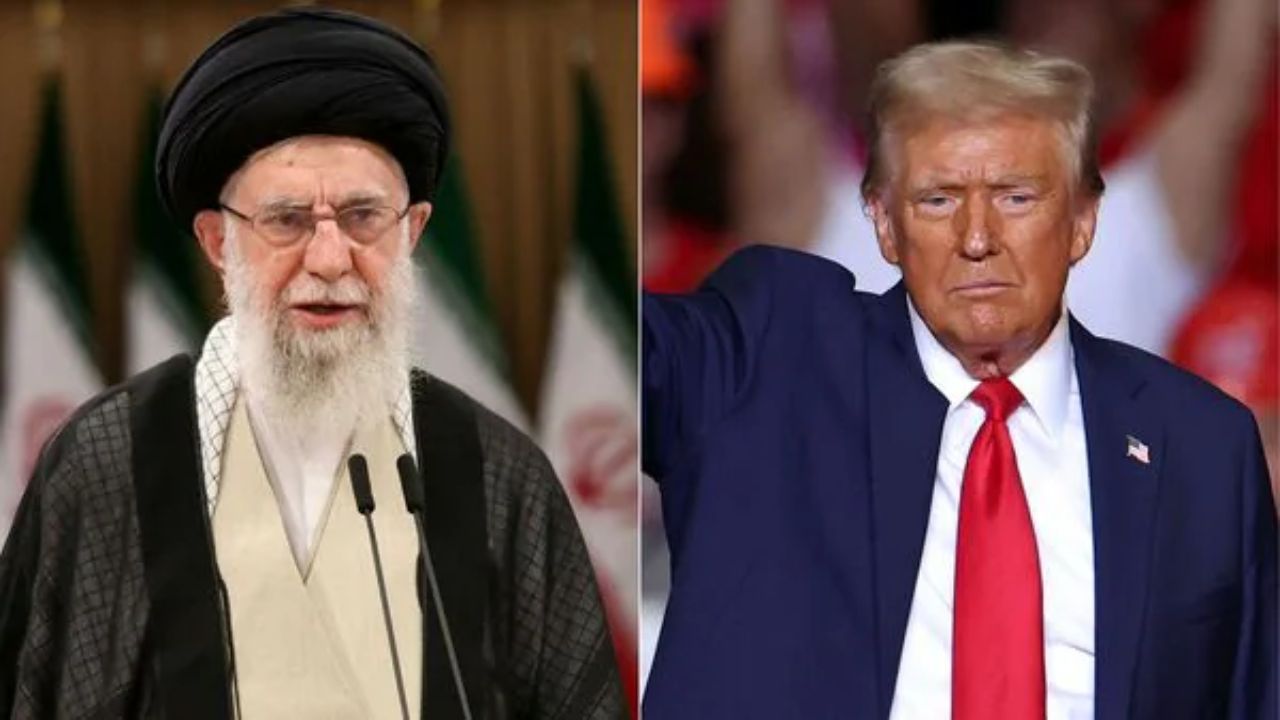
Iran's Supreme Leader Khamenei threatens Trump (Image Source: Internet)
Iran's own president has stated that the government treasury is empty, but the truth is the money exists within the country—it simply isn't reaching the state system. According to parliament, billions of dollars in export earnings have not been repatriated since 2018. These funds are hidden in the trustees' and elite's foreign assets.
The biggest question is why such a strict regime cannot act against these oligarchs. The reason is clear—this network is deeply embedded within the power structure itself. Familial ties, political patronage, and economic dependency tie the government's hands. These elites have even been known to blackmail the government by blocking essential goods at ports.
Experts contend that this wealthy class is loyal not to ideology, but to profit. They will neither lead a revolution nor openly oppose the regime immediately. However, the day they feel that sticking with the current rule endangers their foreign wealth and future, they could switch sides.
US considers attack on Iran as Khamenei Regime faces crisis over protest crackdown
For now, this Iranian elite is following a policy of wait-and-watch. One eye is on Khamenei's orders, the other on their foreign bank accounts. If they were to ever withdraw their economic support, Iran's entire economic structure could collapse.


