 English
 English

US Senate Challenges Trump’s War Authority In Iran
Washington: In a rare political split, four Republican senators broke ranks with US President Donald Trump and voted alongside Democrats in a Senate move aimed at limiting presidential authority over the ongoing Iran conflict.
The resolution, which passed 50-47 in the Senate, seeks to enforce the War Powers Act and restrict unilateral military action. While it marks a symbolic challenge to Trump’s war strategy, it does not immediately force a withdrawal of US forces.
Senators Rand Paul, Susan Collins, Lisa Murkowski and Bill Cassidy voted against the president’s position. Democratic senator John Fetterman voted against the resolution.
The measure comes amid growing debate over whether the administration exceeded the 60-day limit under the War Powers Act for military deployment without congressional approval. Democrats argue that the deadline expired on May 1, while the White House claims the clock paused following a ceasefire announcement in early April.
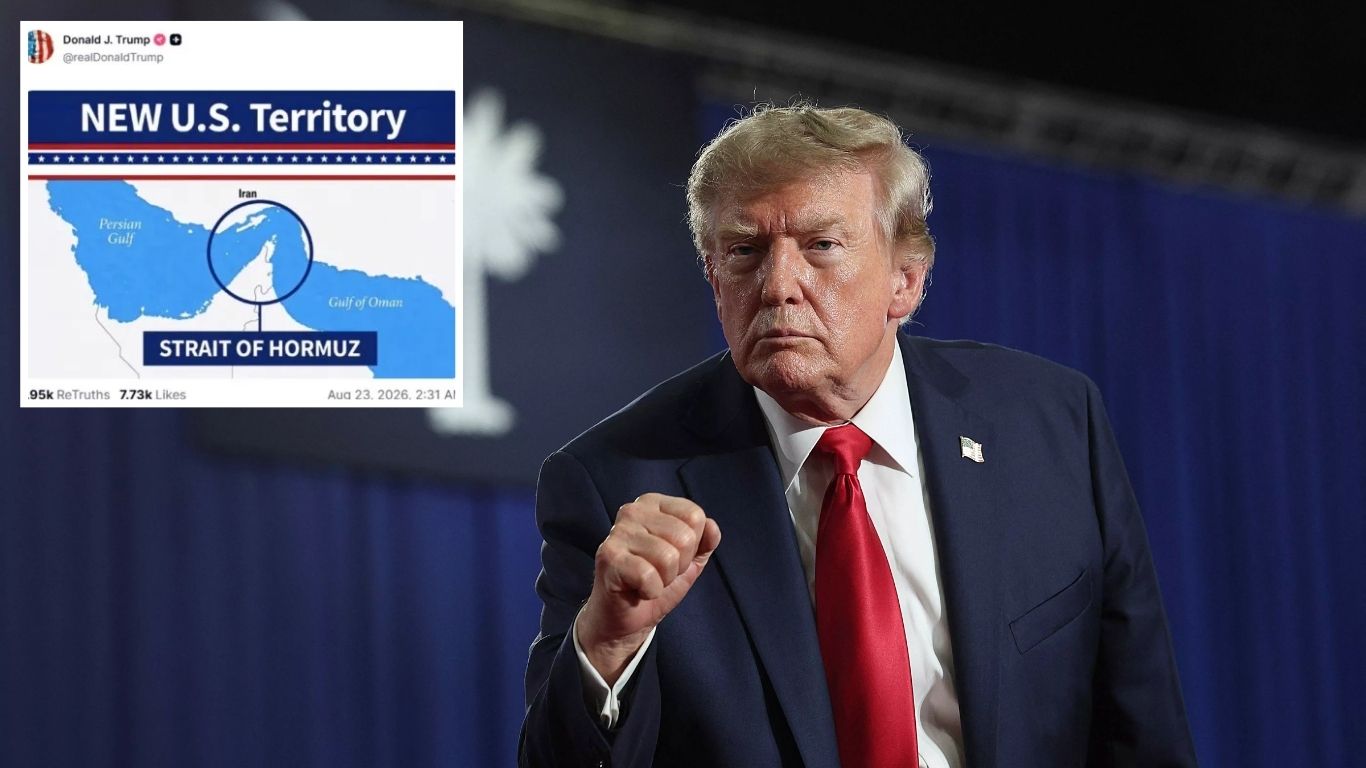
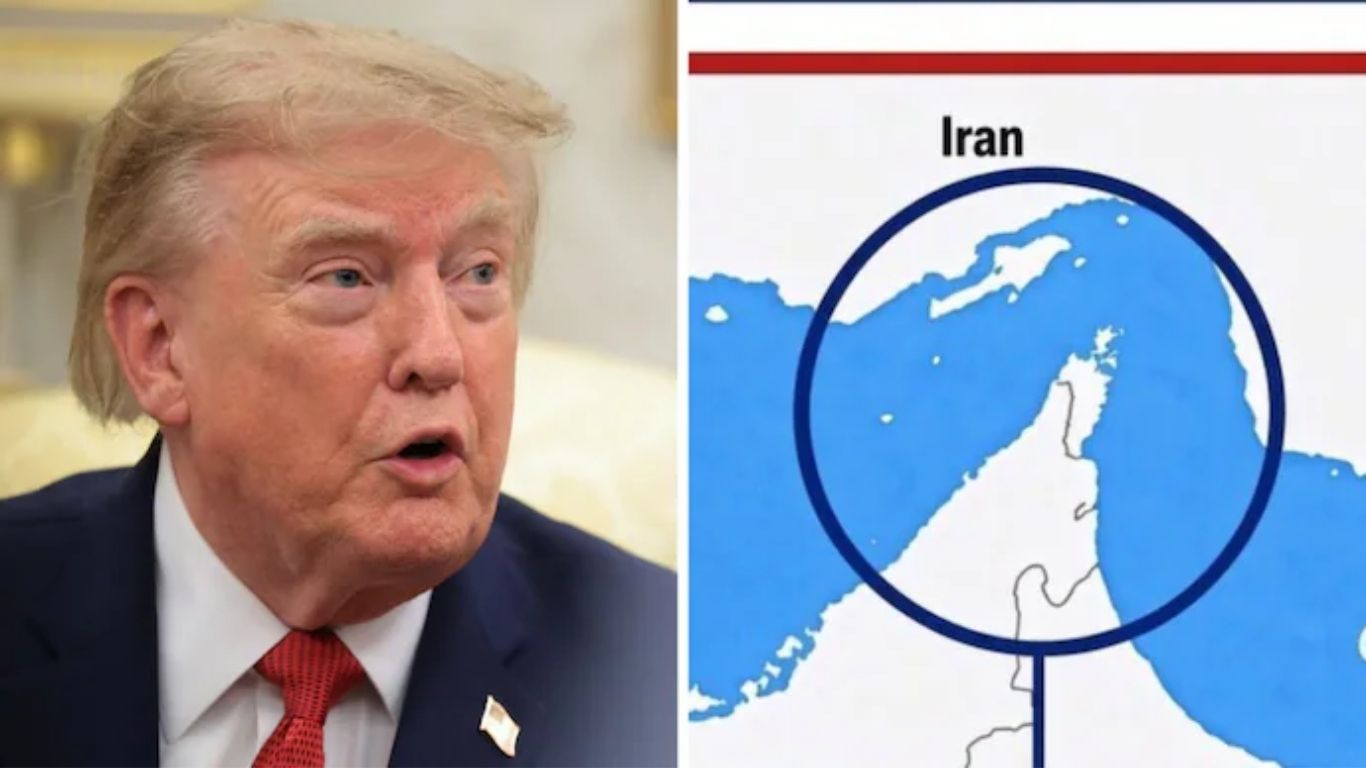
Despite the dispute, US naval forces remain active in the region, including operations linked to monitoring Iranian maritime activity in the Strait of Hormuz.
The conflict between the US and Iran has reportedly lasted more than 80 days and resulted in over 10,000 deaths across the Gulf region, along with widespread damage to energy and civilian infrastructure.
The Strait of Hormuz, a critical global oil route, has also been effectively shut down during the fighting, further intensifying global economic concerns. The war is estimated to have cost the US around USD 29 billion in military spending and damages.
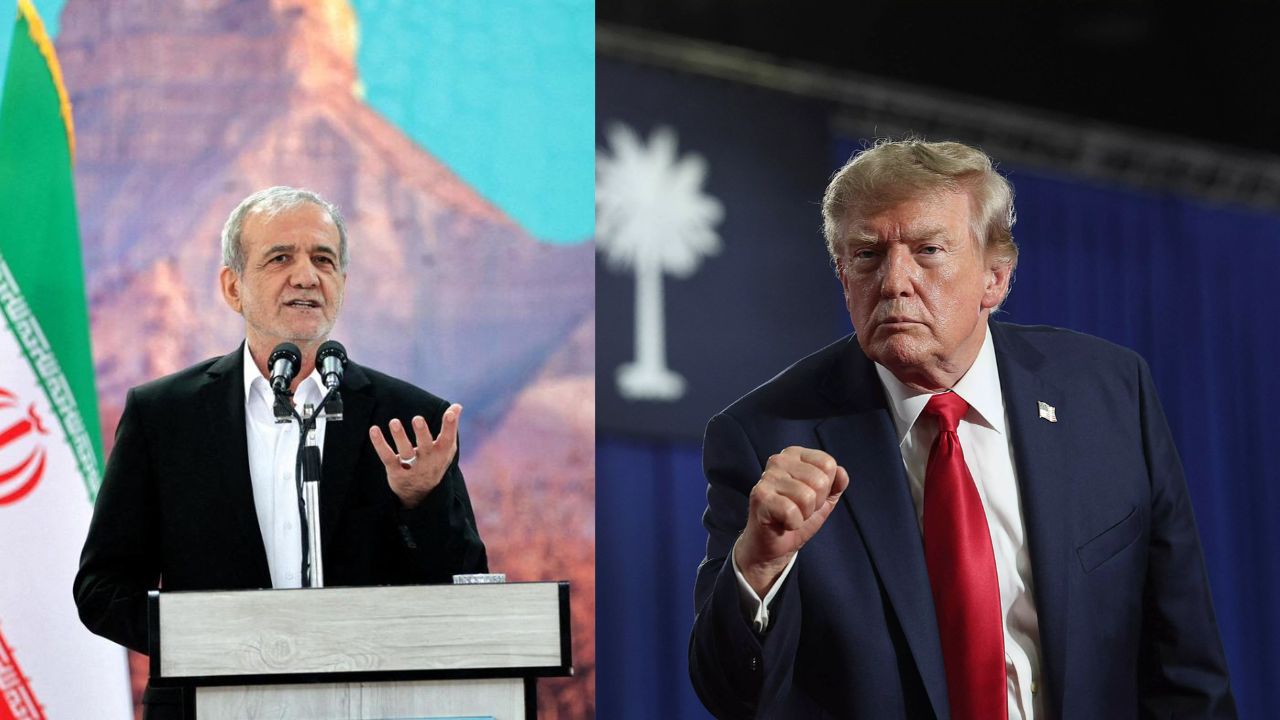
While the military activity continues, diplomatic channels remain open. Iran recently presented a 14-point proposal calling for sanctions relief, reparations, and recognition of its regional control over strategic waterways.
In response, Washington has demanded strict limitations on Iran’s nuclear programme, including reductions in enriched uranium stockpiles.
The ceasefire remains fragile, with both sides accusing each other of violations. Trump recently stated that planned strikes were halted following requests from Gulf allies, including the UAE, Saudi Arabia, Qatar and Bahrain, who signaled ongoing negotiations.
The Senate vote does not guarantee final enforcement of the War Powers Act, as approval from both chambers of Congress is still required. However, the move signals increasing political resistance to continued military escalation.