 English
 English

U.S. Erupts in Protest
New Delhi: Large-scale protests erupted in Minneapolis after two U.S. citizens, Alex Pretti and Renee Good, were fatally shot by federal immigration agents earlier this month. The incident triggered widespread anger and fear, prompting thousands of residents to demand that federal immigration forces be withdrawn from Minnesota.
The Minneapolis protests quickly grew into a national movement. Students and teachers across the United States walked out of schools on a coordinated day of protest. From California to New York, classrooms were left empty as demonstrators opposed what they described as aggressive and excessive immigration enforcement.
‘They Hate Each Other’: Trump on why Russia-Ukraine peace talks are difficult
As part of a broader immigration crackdown, President Donald Trump ordered the deployment of around 3,000 federal officers to the Minneapolis area. These officers, many dressed in tactical gear, began patrolling city streets. The size of the force was five times larger than the Minneapolis Police Department, raising concerns about militarization and civil liberties.
Protesters in downtown Minneapolis braved freezing temperatures to make their voices heard. The crowd included families with young children, elderly residents, teachers, and young activists. Many carried signs demanding ICE leave the city. Protesters shared emotional stories, including immigrants and children of immigrants who said their families came to America seeking safety, freedom, and opportunity.
Some demonstrators strongly criticized the federal action, calling it authoritarian and an attack on citizens’ rights. Teachers also marched near neighborhoods where the fatal shootings occurred, highlighting the fear gripping local communities.
The movement received high-profile support when rock legend Bruce Springsteen performed at a fundraiser in Minneapolis for the victims’ families. His performance symbolized how the protests had spread beyond politics into culture and public conscience.
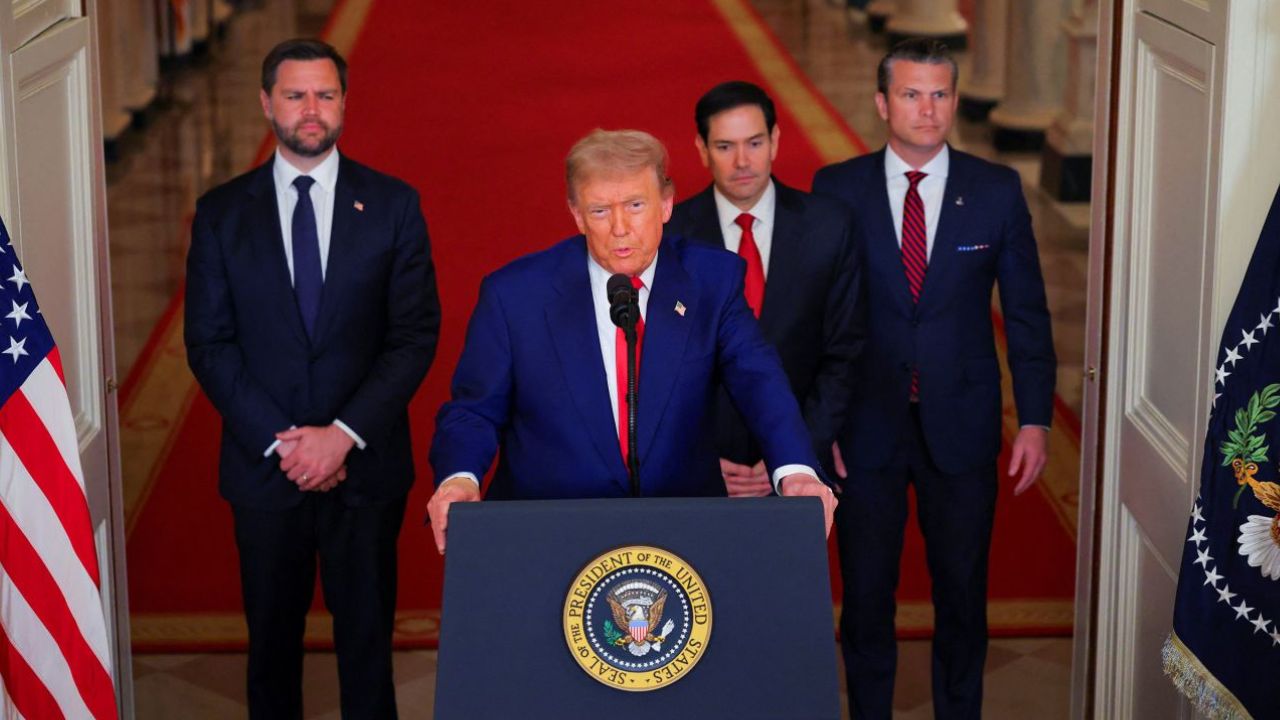
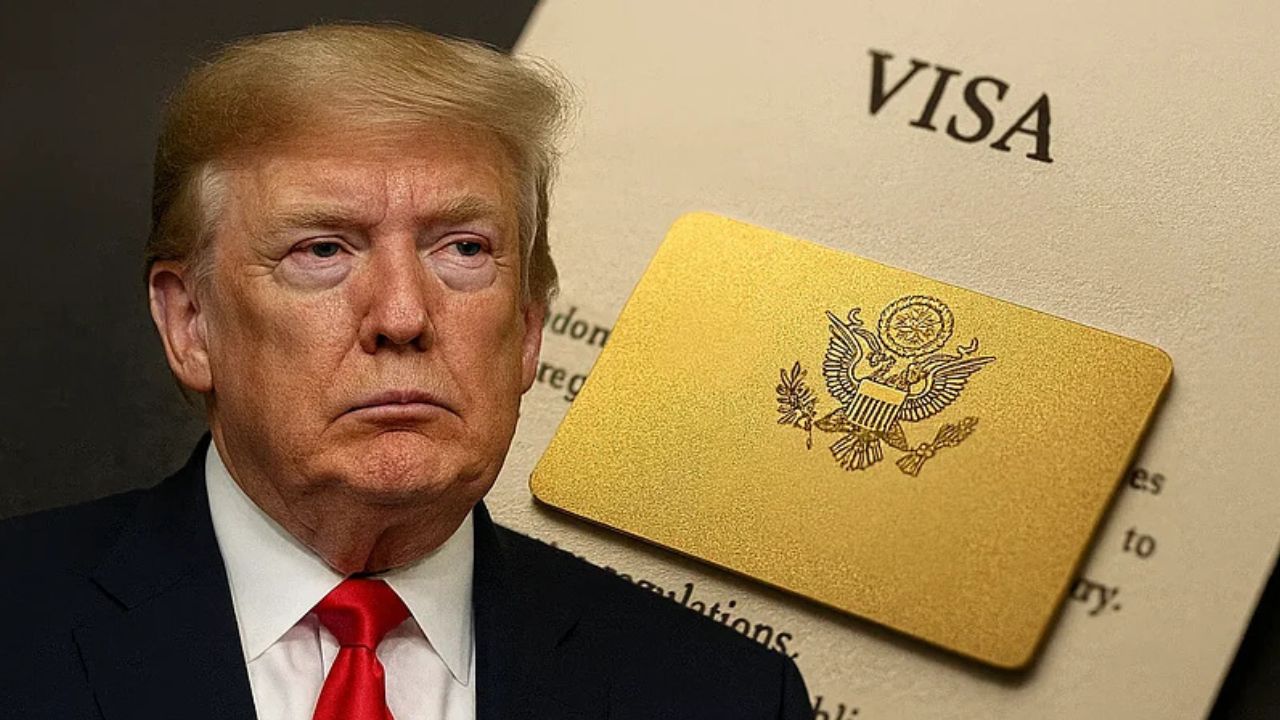
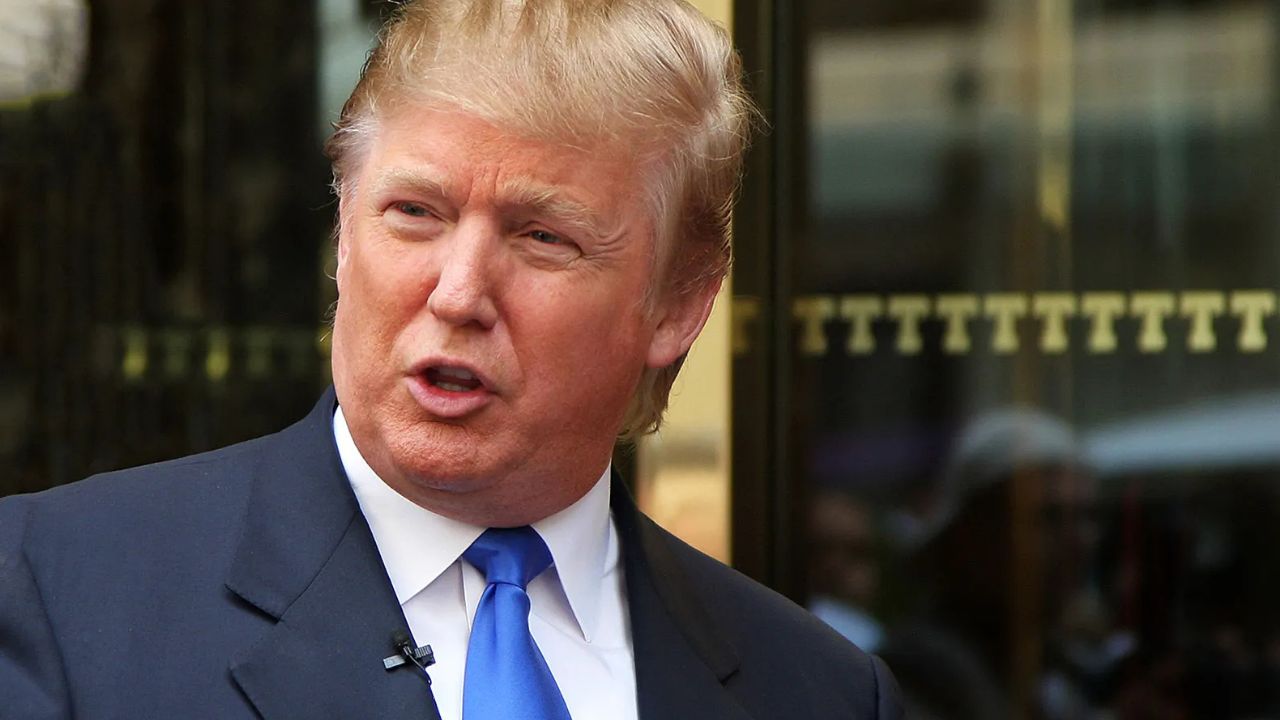
US President Donald Trump (Source: Internet)
The events in Minneapolis had serious political consequences. The acting head of the local FBI office was removed from his position and reassigned to Washington. Meanwhile, former CNN anchor Don Lemon was arrested and charged over his involvement in a church protest, sparking debate over press freedom.
Reports revealed that ICE agents were recently granted expanded powers to make arrests without warrants. This further intensified backlash and increased public concern. According to a Reuters/Ipsos poll, public approval of Trump’s immigration policy has fallen to its lowest point during his second term.
While Trump initially suggested de-escalation, he later denied pulling back federal forces. Minnesota Governor Tim Walz openly criticized the operation, demanding a reduction of federal presence. Democrats in Congress warned that continued ICE funding could lead to a partial government shutdown.
Trump Signals Talks but Warns of Force as U.S.–Iran Tensions Edge Closer to Conflict
Beyond Minnesota, schools closed in states like Colorado and Arizona due to mass absences. Demonstrations were held in major cities, with students chanting anti-ICE slogans and demanding sanctuary campuses.