English
 English

A White House denial has added uncertainty to reports of possible US-Israeli strikes on Iran before key elections. (Img: Pinterest)
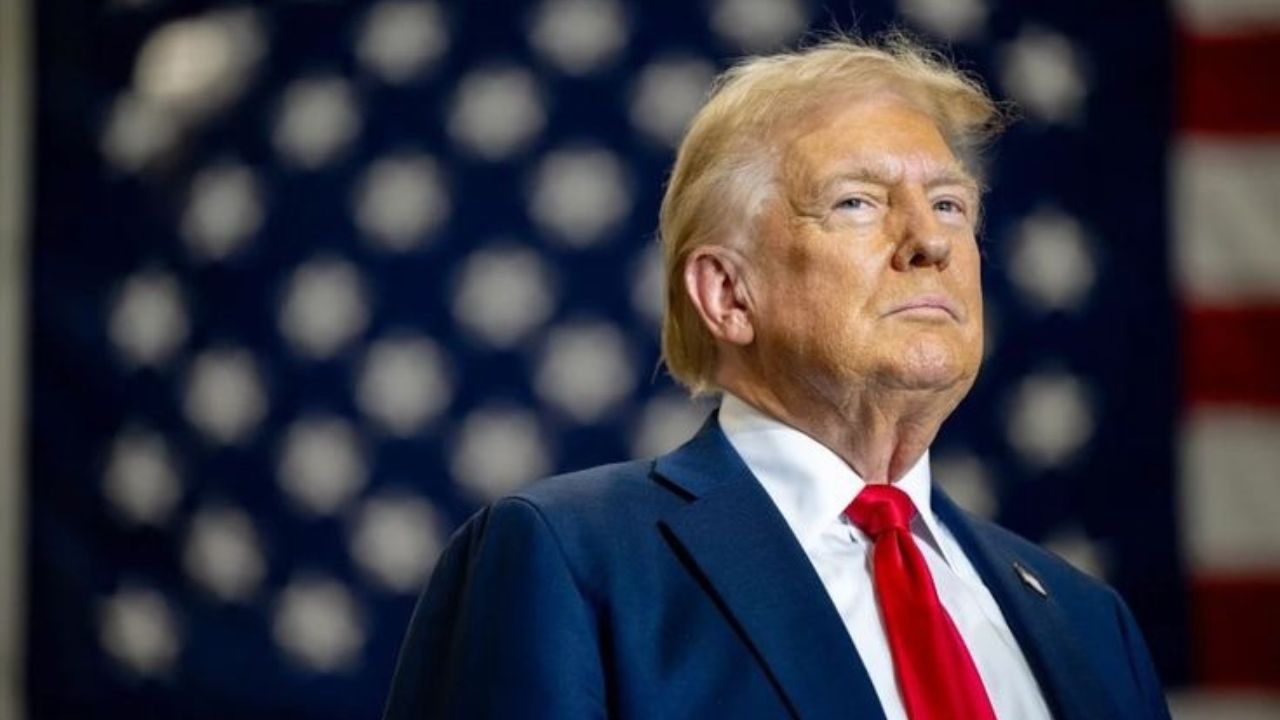
Washington DC: US President Donald Trump and Israeli Prime Minister Benjamin Netanyahu have reportedly discussed the possibility of restarting large-scale military operations against Iran, raising fresh questions about the future of the conflict just weeks before key elections in Israel and the United States. The White House has rejected the central claim that the leaders discussed resuming the war, while Trump has publicly said the US will not attack Iran before the November 3 midterm elections.
The reported discussions come amid continuing concerns over Iran’s nuclear programme, military capabilities and the risk of renewed attacks across the Middle East. The stakes extend well beyond the battlefield: further escalation could threaten shipping through the Strait of Hormuz, intensify pressure on oil prices and create fresh uncertainty for energy-importing countries such as India.
Trump and Netanyahu reportedly held several conversations about the possibility of resuming major combat operations against Iran. The report, citing US and Israeli officials, said Netanyahu raised concerns about intelligence suggesting Tehran was trying to rebuild its nuclear capabilities.
One area of concern is Pickaxe Mountain, a heavily fortified underground site that Israeli officials reportedly fear could be used for uranium enrichment. The discussions reportedly involved possible strikes against Iranian nuclear and military infrastructure, although no publicly confirmed order for a new operation has been announced.
The report has drawn attention not only because of the potential military consequences, but also because of its timing. Israel's election is scheduled for October 27, followed by the US midterm elections on November 3.
The central question is whether military planning will remain a contingency or translate into a renewed campaign. At present, the reporting points to discussions and preparations rather than confirmation of an imminent attack.
The White House has disputed the claim that Trump and Netanyahu discussed restarting the war. The Israeli prime minister's office has said Netanyahu remains in regular contact with Trump and senior American officials but has not disclosed the substance of their conversations.
Trump's public position has also become an important part of the story. On October 8, he stated that the United States would not attack Iran before the November 3 midterm elections. That declaration provides a clear public commitment, although the wider military and diplomatic situation remains fluid.
According to the Axios report, Trump initially appeared interested in the possibility of renewed military action before becoming more hesitant. Sources described his position as noncommittal, with preparations reportedly continuing without a firm decision to launch an operation.
These conflicting signals have fuelled speculation about Washington's next move. However, reported discussions, military contingency planning and public statements should not be treated as evidence that an attack has been authorised.
The reported debate within the Trump administration reflects a wider strategic dilemma: whether to use military force to weaken Iran's nuclear and military infrastructure or continue applying economic pressure.
According to sources cited by Axios, Defence Secretary Pete Hegseth and senior US Central Command leadership have been among the advocates of renewed strikes. Other advisers have reportedly favoured sanctions and economic pressure as alternatives to a major military campaign. The Pentagon has also been instructed to prepare options for a possible resumption of combat, without a specified launch date.
The distinction between preparation and authorisation is critical. Military planners routinely develop options for political leaders, but those plans do not automatically indicate that an operation will take place.
For Washington, any decision would involve weighing the potential damage to Iran's military capabilities against the risk of retaliation, a wider regional conflict and further disruption to energy markets.
The timing of the reported discussions has raised questions about how renewed hostilities could affect the political environment in both countries.
Netanyahu faces an Israeli election on October 27, while American voters head to the polls for the midterms on November 3. The reported discussions have focused on concerns about Iran's nuclear programme and the possibility of further military action.
Some officials cited in the reporting believe Netanyahu could benefit politically from being seen as a wartime leader. However, there is no independently established evidence that a proposed attack has been planned specifically to influence either election.
A military escalation could also produce the opposite of the intended effect by exposing civilians to retaliation, disrupting daily life and forcing governments to divert resources towards emergency security measures.
For Israel, the immediate concern would be the possibility of Iranian missile attacks and the security arrangements needed to protect the public. For the United States, a renewed conflict could affect domestic debate over military commitments, economic pressure and the administration's handling of foreign policy.
The potential consequences for Israel's electoral process have also drawn attention.
According to reports, Israeli military chief Lieutenant General Eyal Zamir discussed the possibility of renewed hostilities with US Joint Chiefs Chairman General Dan Caine. The reported conversation included concerns that fighting within the following three weeks could lead to the postponement of Israel's election because of the risk of Iranian missile retaliation. The military has not publicly confirmed the details of the reported conversation.
A major escalation could require emergency restrictions, changes to security arrangements and the deployment of additional military resources. Any decision to postpone an election would have significant political and institutional implications.
The reported warning highlights a difficult reality: even the possibility of renewed hostilities can affect election planning before a single new strike is carried out.
The future of Iran's nuclear capabilities remains a major concern for Washington and Jerusalem.
Israeli officials have reportedly raised concerns that Tehran could be rebuilding parts of its nuclear programme following earlier military action. Pickaxe Mountain has become a particular focus because of concerns about its underground infrastructure and potential use for uranium enrichment.
Any operation against nuclear facilities would raise questions about whether airstrikes could permanently damage hardened sites, how Iran might respond and whether military action would make a diplomatic agreement more difficult.
Iran's missile capabilities present a separate but connected challenge. A strike on nuclear infrastructure could trigger retaliation against Israel or American military assets in the region, potentially widening the conflict beyond its original targets. The broader issue is whether military pressure can achieve lasting security objectives or whether renewed attacks would lead to another cycle of strikes and retaliation.
The risk of escalation is already relevant to energy markets. On October 14, oil prices rose after two ships were hit by unidentified projectiles in the Strait of Hormuz. Brent crude reached USD 106.32 per barrel, while US West Texas Intermediate traded at $94.80. The reported incidents underline the vulnerability of shipping and energy supplies to the wider conflict.
The Strait of Hormuz is a critical route for global oil shipments. Further disruption could increase freight and insurance costs, intensify price volatility and add to inflationary pressure in countries that depend heavily on imported energy.
For India, sustained increases in crude prices could raise the country's import bill and place pressure on transport costs and the broader economy. The eventual impact would depend on the scale of any escalation, the duration of shipping disruption and how global energy markets respond.
The consequences could reach Indian households and businesses even if the country remains outside the conflict. Higher international energy prices can affect costs across the economy, although the extent and timing of any domestic impact are not certain.