English
 English

Riyadh Faces Fresh Missile Alert as Saudi Arabia Reports Interception of Houthi Projectile. (Img:X)
Riyadh: Saudi Arabia intercepted another ballistic missile aimed at its capital, as Yemen’s Houthi movement claimed a fresh strike targeting King Khalid International Airport. The latest escalation has intensified concerns over civilian safety, international air travel and the possibility of a wider Middle East conflict.
The missile interception comes after deadly weekend attacks reportedly killed at least 13 people and injured hundreds, leaving Riyadh’s main airport closed and prompting international airlines to suspend or reschedule services. Iran’s renewed offer to mediate between Saudi Arabia and the Houthis has added a significant diplomatic dimension to the unfolding crisis.
The Saudi-led coalition said its air defence systems intercepted and destroyed three ballistic missiles launched by the Houthis, including one directed towards Riyadh and two aimed at Khamis Mushait in southwestern Saudi Arabia.
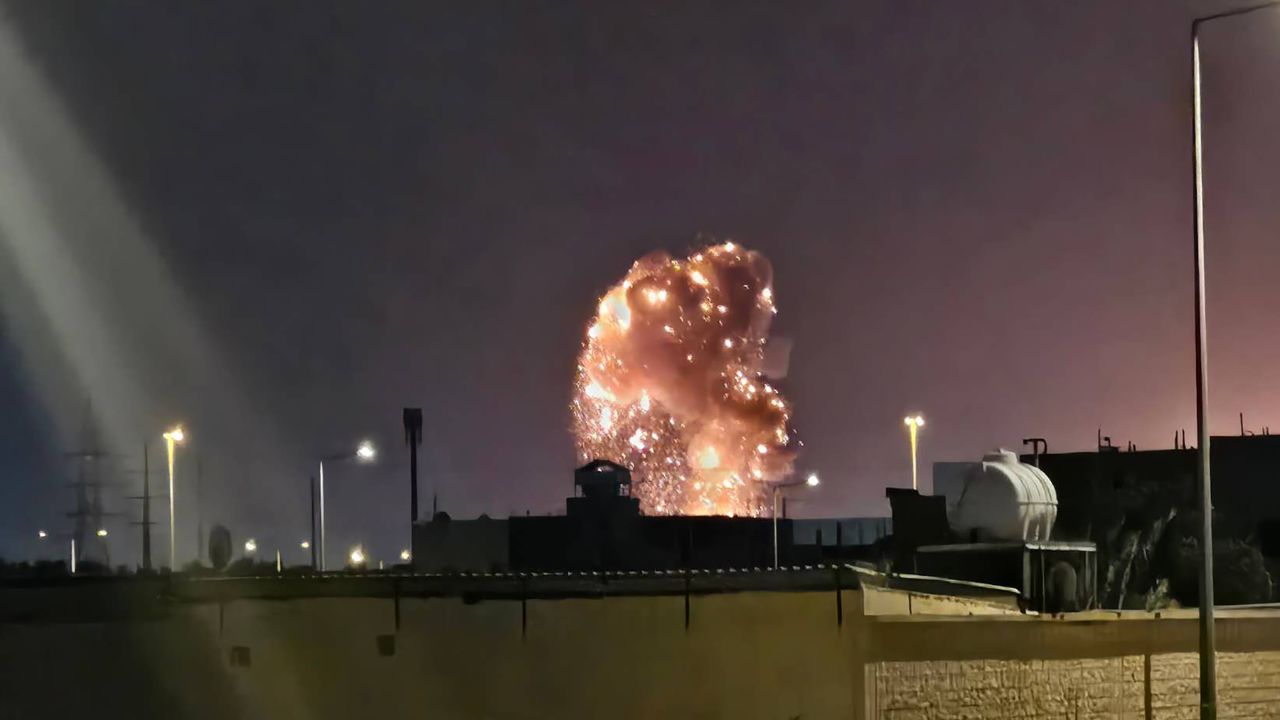
Residents of the Saudi capital reported powerful explosions on Monday evening after receiving mobile alerts warning of an aerial threat. The incidents triggered fresh anxiety in a city central to Saudi Arabia’s political leadership, financial activity and international business operations.
Houthi military spokesperson Yahya Saree claimed that the group had targeted King Khalid International Airport with a ballistic missile and directed a drone towards King Khalid Air Base near Khamis Mushait. The Saudi-led coalition, however, said the missile aimed at Riyadh had been intercepted and destroyed.
The conflicting accounts have intensified uncertainty surrounding the scale and effectiveness of the latest attacks, as Saudi authorities attempt to restore confidence in the kingdom’s airspace and critical infrastructure.
Deadly Airport Strikes Leave Passengers and Airlines Facing Disruption
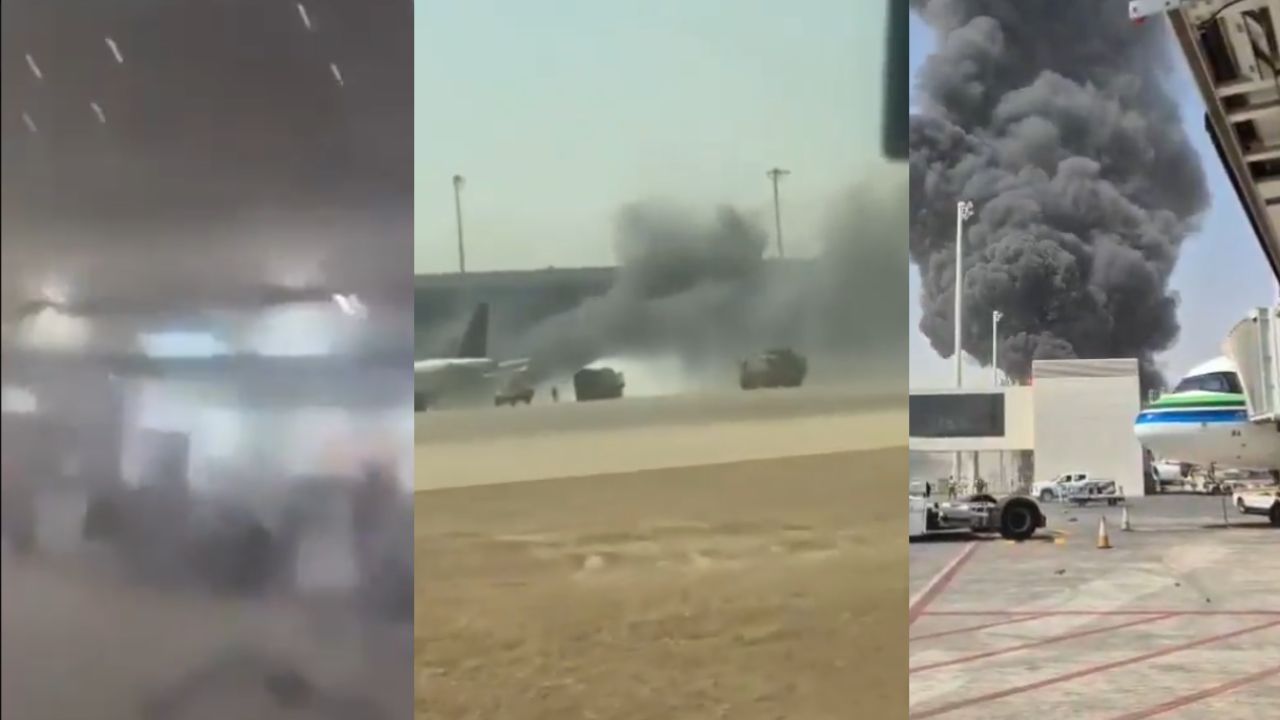
The latest developments follow a series of attacks on King Khalid International Airport over the weekend.
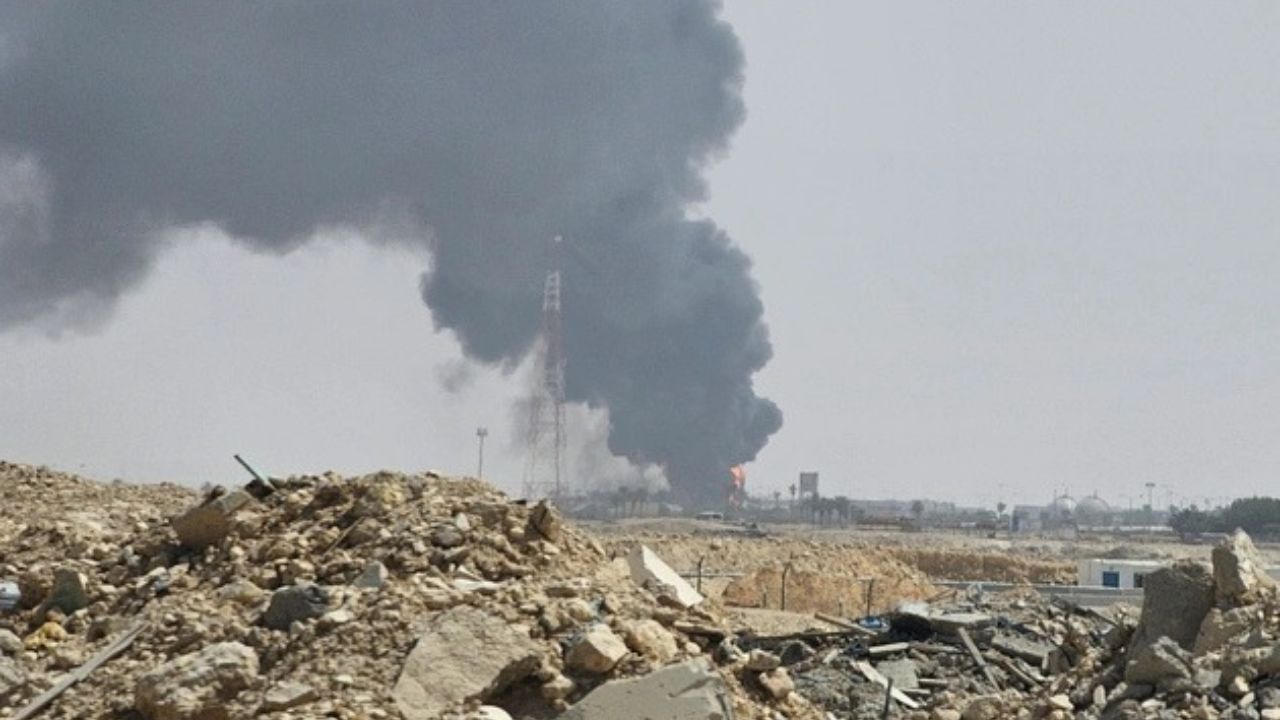
According to Saudi aviation authorities, Saturday’s strike killed 12 people and injured 309 others. A separate attack on Sunday afternoon killed a Pakistani resident and injured 11 people. The reported casualties have raised serious questions about the protection of civilian aviation infrastructure amid escalating hostilities.
Saudi authorities extended the suspension of airport operations following the attacks, while airlines began cancelling and revising services. The shutdown has disrupted travel plans and raised concerns among passengers, international business travellers and travellers connecting through Saudi Arabia.
Saree also warned international airlines and passengers against operating flights to Saudi airports, except those serving Mecca and Medina, claiming that the facilities were unsafe.
The warning has added pressure on airlines already confronting operational uncertainty, with airport closures and security alerts threatening to affect travel schedules, commercial activity and international connectivity.
Saudi Arabia Probes Air Defence Response
Saudi authorities have reportedly launched an investigation into how the earlier barrage reached the airport despite the kingdom’s sophisticated air defence network.
Regional officials cited by The Associated Press said preliminary findings suggested that the Houthis first deployed multiple drones, followed by a combination of cruise and ballistic missiles. Investigators are examining whether the sequence was designed to complicate interception efforts and why earlier warnings may not have been issued.
The weapons reportedly travelled more than 1,000 kilometres to reach Riyadh, raising questions about detection capabilities, response times and the effectiveness of existing defensive arrangements.
Saudi Arabia relies on advanced systems, including US-made Patriot interceptors. However, manoeuvrable ballistic missiles and coordinated drone operations can present complex challenges for air defence networks.
The investigation could have implications for the kingdom’s future security strategy, including early-warning capabilities, protection of airports and oil installations, and coordination between military and civilian aviation authorities.
Yemen Conflict Escalates as Both Sides Report Heavy Losses
The confrontation is unfolding alongside intensified fighting between the Houthis and forces aligned with Yemen’s internationally recognised government.
The Houthis alleged that Saudi Arabia had conducted 119 strikes against Houthi-controlled areas over a 24-hour period. Houthi-run Al-Masirah television reported that airstrikes in Al-Jawf province killed at least nine people and injured seven others.
Yemeni military spokesperson Majid al-Nuzaili separately claimed that government forces had carried out 1,879 attacks against Houthi military targets and neutralised approximately 950 fighters. These figures and claims have not been independently verified.
The competing accounts highlight the scale of the military escalation and the difficulty of establishing independently verified casualty figures during active hostilities.
Yemen’s conflict began escalating sharply in late 2014, when the Houthis seized the capital, Sanaa, and large parts of northern Yemen. Saudi Arabia led a military coalition into the conflict in 2015 to support the internationally recognised government.
A United Nations-brokered truce in 2022 significantly reduced major hostilities but failed to resolve the underlying political and territorial disputes. The latest escalation threatens to undermine that fragile de-escalation and expand the confrontation across regional borders.
Iran Renews Offer to Mediate Between Riyadh and Houthis
As military tensions intensify, Iran has renewed its offer to facilitate negotiations between Saudi Arabia and the Houthi movement.
Iranian Foreign Ministry spokesperson Esmaeil Baghaei said Tehran remained willing to use its diplomatic channels to encourage dialogue between the opposing parties.
The statement followed a telephone conversation on Sunday between Iranian Foreign Minister Seyed Abbas Araghchi and Saudi Foreign Minister Prince Faisal bin Farhan bin Abdullah Al Saud. Araghchi reportedly conveyed Iran’s readiness to provide assistance in efforts to initiate negotiations.
The diplomatic overture comes at a critical juncture, with repeated missile alerts, civilian casualties and attacks on strategic infrastructure increasing the risk of a broader regional confrontation.
Whether the initiative can translate into substantive negotiations remains uncertain. However, renewed diplomatic engagement could offer a pathway to de-escalation if both sides are willing to pursue a political settlement alongside their military operations.
Saudi Arabia’s Vision 2030 Faces Fresh Security Concerns
The attacks have also raised questions about the economic consequences for Saudi Arabia, particularly as the kingdom seeks to attract foreign investment and expand its non-oil economy.
Speaking at an energy conference in Riyadh, Saudi Energy Minister Prince Abdulaziz bin Salman Al Saud acknowledged that recent attacks on airports had tested the kingdom’s resilience. He stressed that the country’s economic transformation programme would continue despite the security challenges.
Vision 2030, led by Crown Prince Mohammed bin Salman, aims to diversify the economy through investment, tourism, infrastructure development and the expansion of non-oil industries.
Repeated attacks on airports and energy installations could complicate those ambitions by increasing security costs, disrupting business travel and affecting investor perceptions of regional stability.
The evolving situation has also put high-profile events scheduled in Riyadh under pressure, including the kingdom’s flagship investment conference and the WPC Energy Congress. Several prominent oil executives were reportedly removed from the congress programme.
The implications extend beyond immediate flight disruption, as companies and international delegations assess the risks associated with travelling to and operating in the kingdom.
Etihad, Gulf Air and Delta Revise Flight Operations
International airlines have begun adjusting their Saudi Arabia operations amid heightened security concerns.
Etihad Airways announced on Monday that it was cancelling flights to and from Riyadh until the following week, while also suspending services to Dammam and Jeddah.
Bahrain’s Gulf Air said it would cancel all Riyadh flights until Saturday. Delta Air Lines, meanwhile, postponed the planned launch of its direct Atlanta-Riyadh service, which had been scheduled for October 23.
The cancellations highlight how regional security developments can quickly affect international aviation, passenger itineraries and business connectivity.
Travellers may face cancellations, rescheduling and difficulties arranging onward connections. Passengers with bookings to Saudi Arabia are advised to check directly with their airlines for the latest operational updates.
Trump Criticises Houthis as Washington Faces Regional Pressure
US President Donald Trump criticised the Houthis but did not announce a direct American intervention in response to the latest attacks.
Meanwhile, Mohammed al-Bukhaiti, a member of the Houthi political bureau, warned that US involvement in military operations against Yemen would trigger retaliation against American interests across the region.
He also urged employees and workers at Saudi oil facilities and airports to stay away from those locations, claiming they had become legitimate targets.