 English
 English

Putin’s visit to boost India-Russia relations
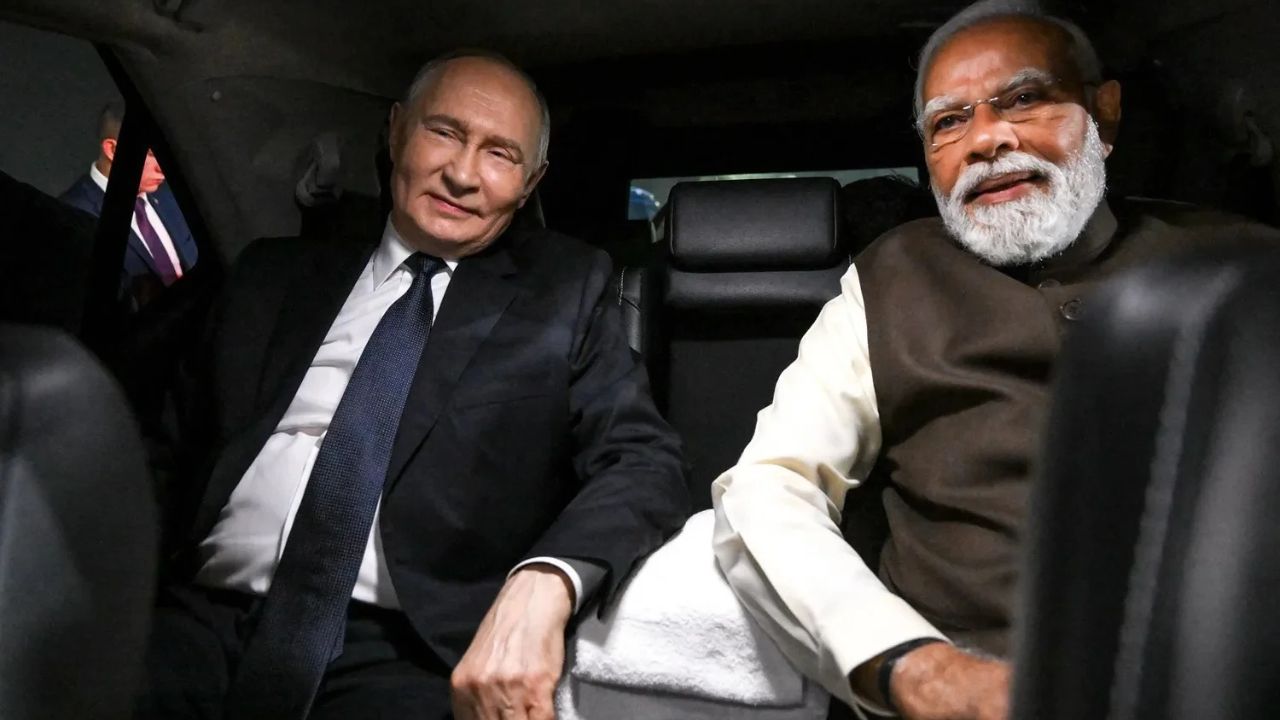
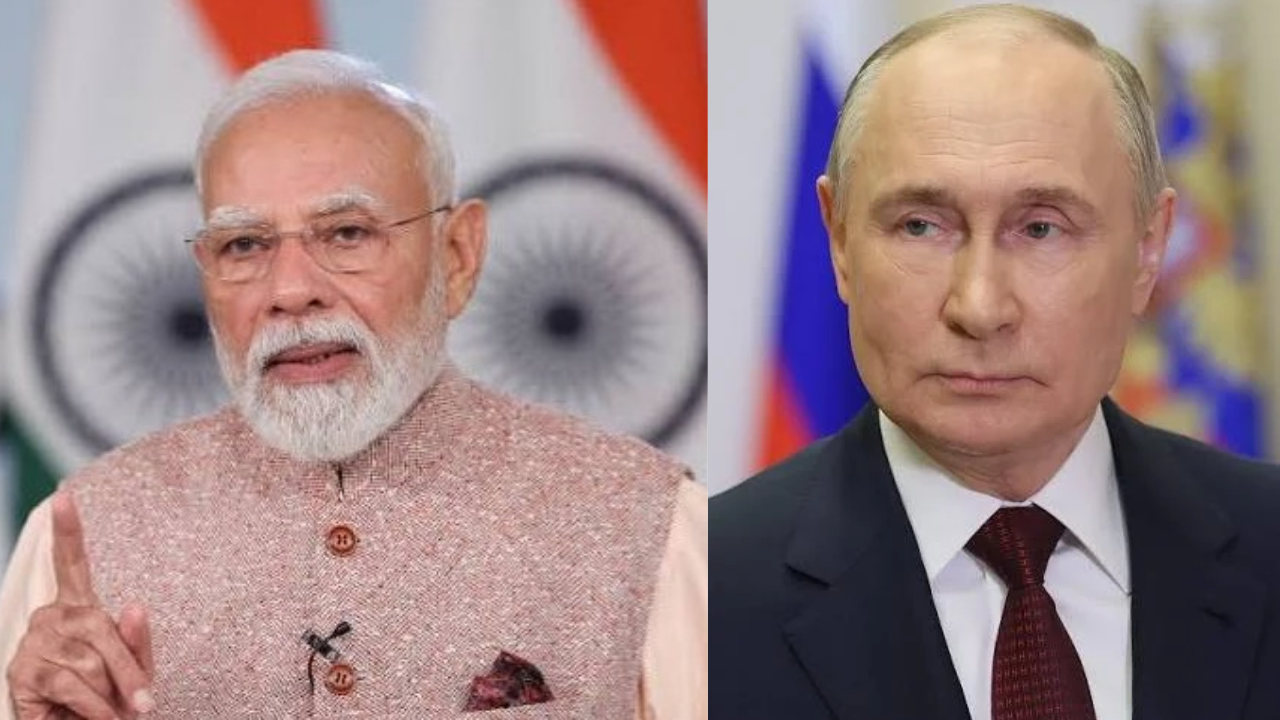
New Delhi: Russian President Vladimir Putin is set to visit India on 4-5 December for the 23rd India-Russia Annual Summit- a visit that carries significant diplomatic weight in today’s shifting global order. During his two-day stay, Putin will also address the plenary session of the Russia-India Forum.
With sanctions on Russia, tariff pressures on India, and an evolving strategic landscape in South Asia, the meeting between Prime Minister Narendra Modi and President Putin is being closely monitored by the United States and major Western powers.
India and Russia share a diplomatic relationship that has endured for more than seven decades, marked by cooperation in defence, energy, science, and technology. Putin’s visit comes at a moment when India’s ties with Moscow appear to have weakened due to Western pressure.
Putin’s India Visit: S-400, Su-57 jets and deeper strategic cooperation — what’s on the agenda?
Over the past year, India has reduced purchases of Russian crude oil and diversified some of its defence imports moves widely viewed as responses to geopolitical and economic constraints.
The summit provides both sides an opportunity to reset the momentum, reinforce long-standing ties, and address concerns arising from global strategic realignments.
The Modi-Putin talks are expected to cover a wide spectrum of subjects, including:
During the Cold War, India relied heavily on the Soviet Union for defence equipment, high-end military technology, and scientific cooperation- assistance that many Western countries hesitated to provide. In turn, India became a leading recipient of Soviet military hardware.
Although India has recently shifted portions of its defence procurement to France and the United States, Russia remains deeply embedded in India’s strategic ecosystem. The war in Ukraine has, however, altered the global narrative: Western nations now view both Russia and China through a sharper strategic lens, and India’s balancing act between Moscow, Washington, and Beijing has become increasingly complex.
India’s continued import of Russian crude oil despite global sanctions irritated Western capitals, and the recent tariff actions by the United States could further push India to deepen its alignment with Moscow.
Putin to visit India after 4 years; Major deals on defence, energy & trade expected
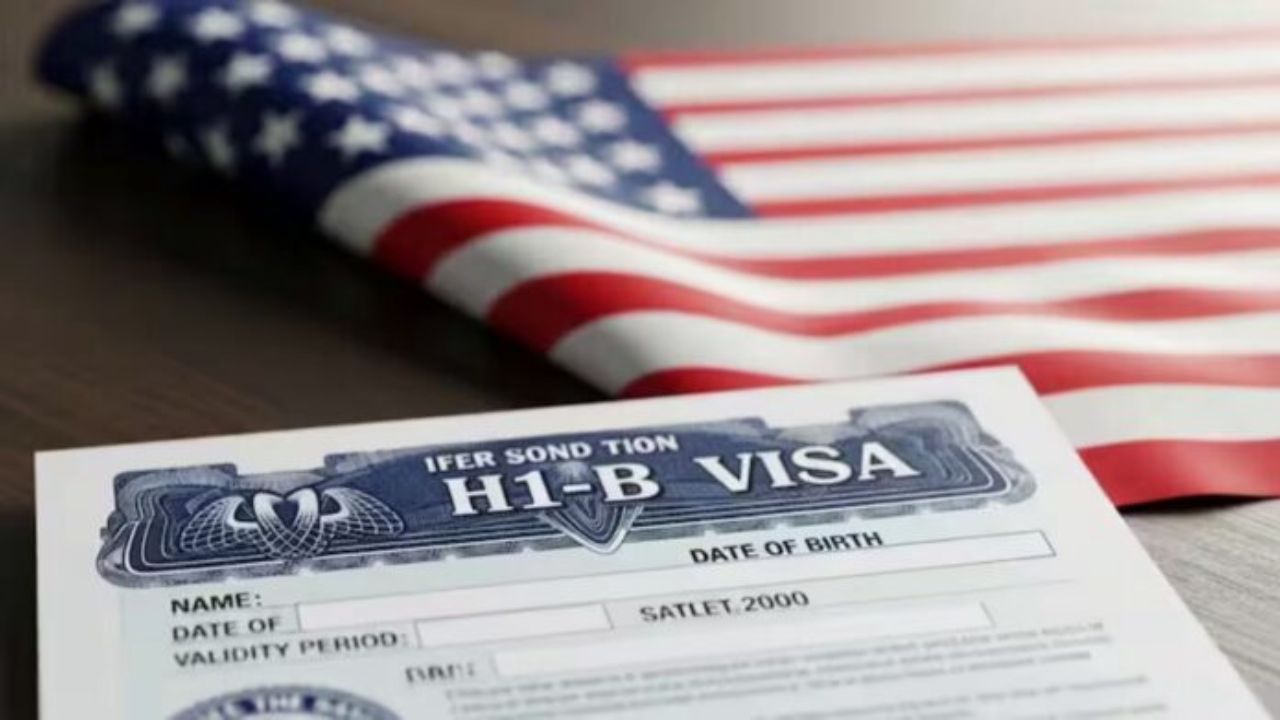
A key outcome of the summit is expected to be a labour mobility agreement, aimed at enabling legal migration of skilled Indian workers to Russia. With the US and Canada tightening visa norms, Russia has expressed willingness to absorb more than 70,000 Indian professionals, particularly in engineering, construction, healthcare, and IT.
Civil nuclear cooperation, space technology projects, and IT partnerships are also on the table.
Putin’s visit is likely to reinforce India-Russia ties at a critical time. India is expected to push for stronger collaboration on next-generation defence systems, advanced research, and technology sharing. For both nations, the summit offers a chance to recalibrate ties and secure a stronger footing amid an uncertain global environment.