 English
 English

Pakistani youth reacts to CJP protest
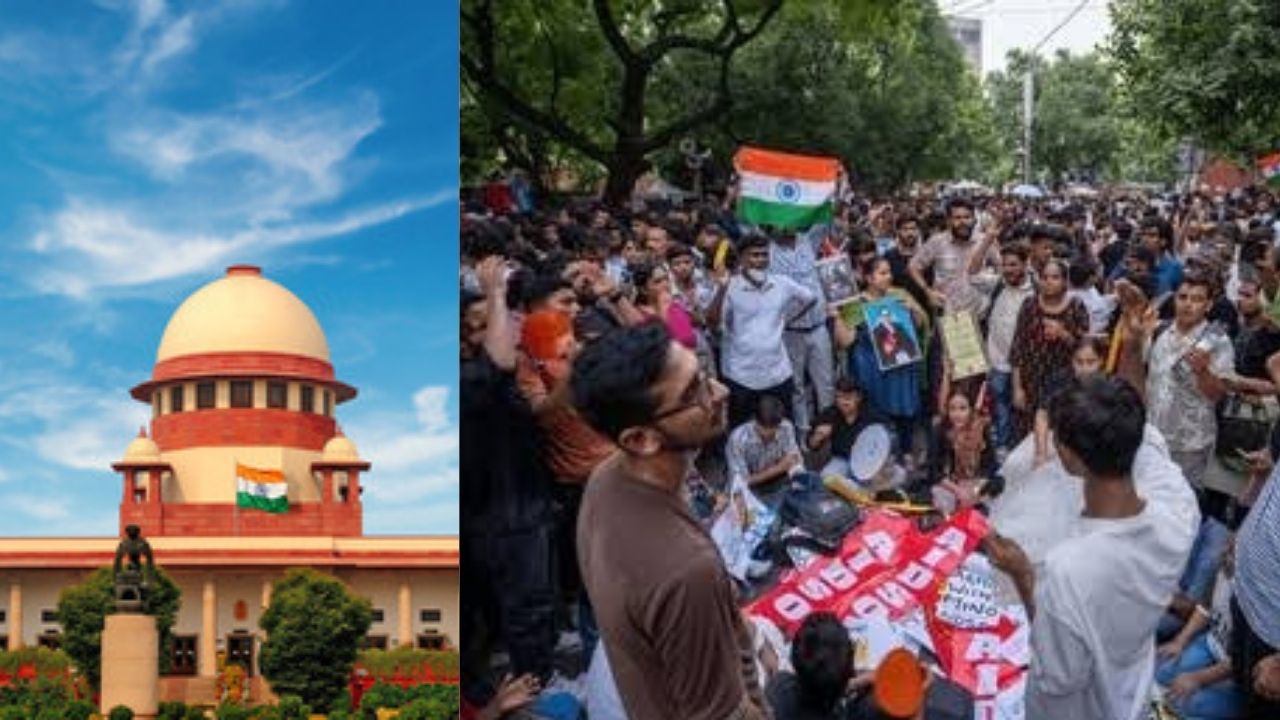
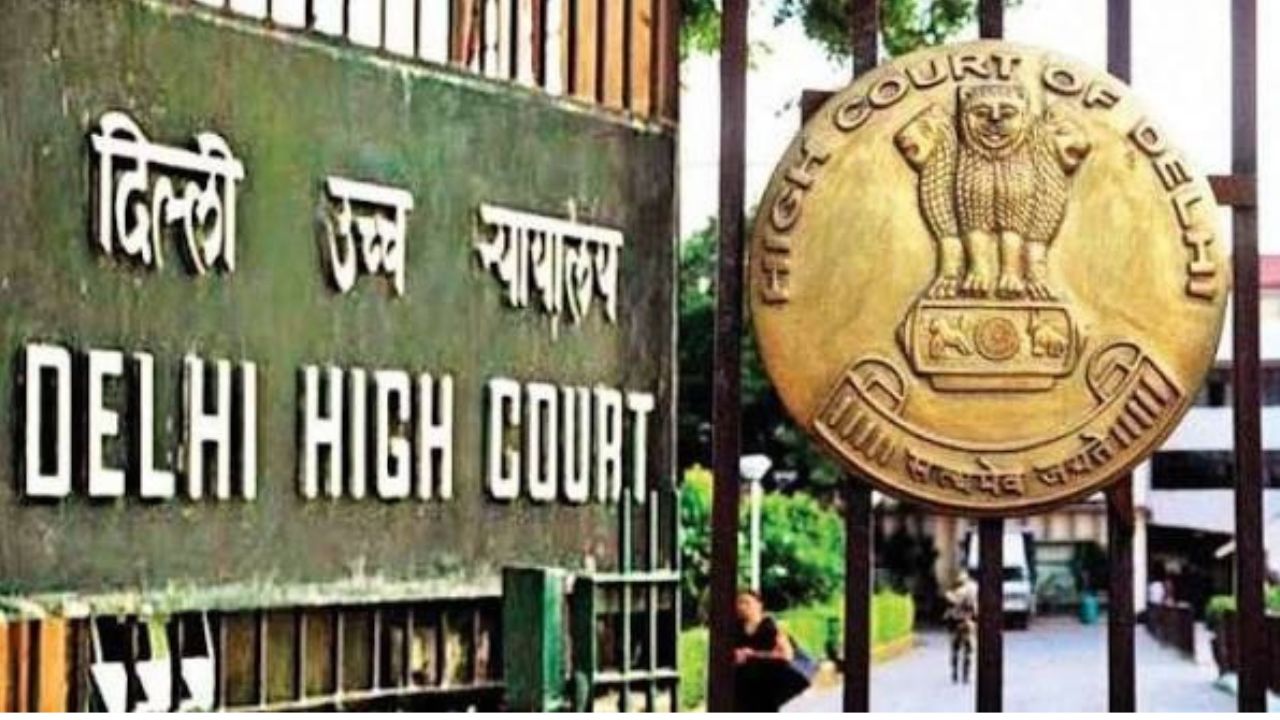
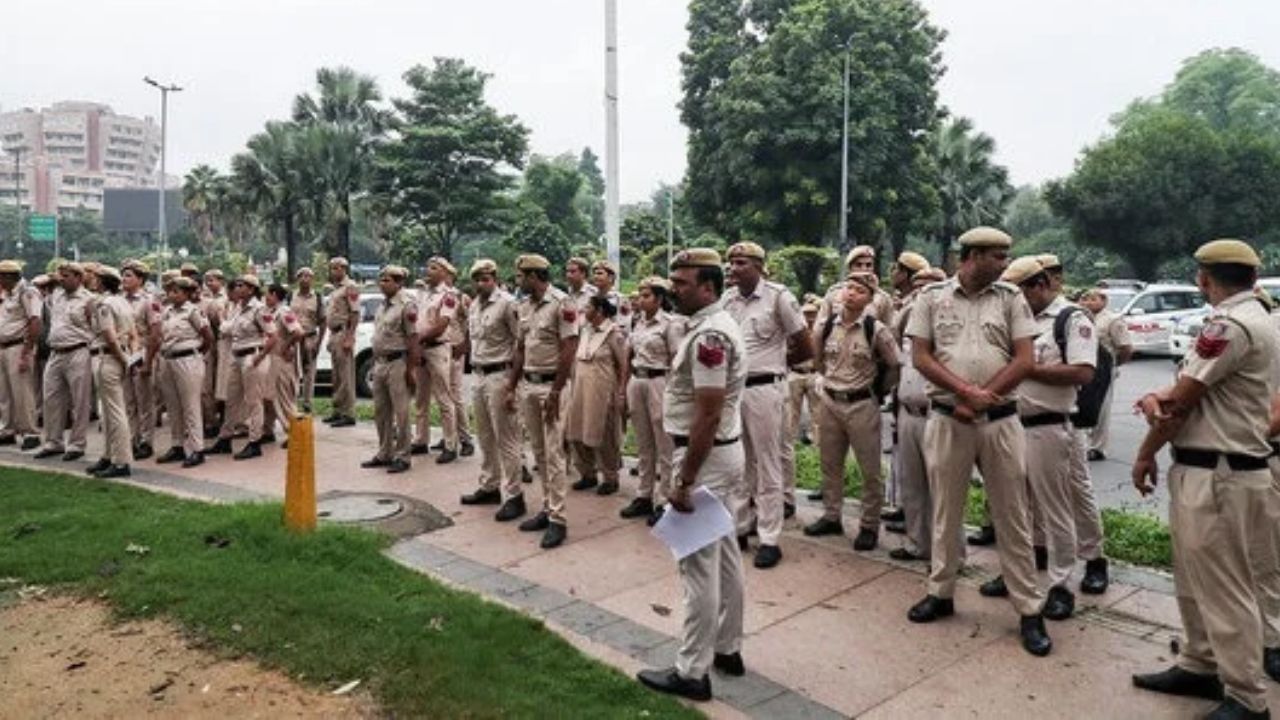
For years Indians have been deemed a distracted batch, endlessly scrolling through phones, constantly laughing at memes instead of engaging with the world. But last month, the math flipped. Young people sustained enough protests that a sitting minister, Dharmendra Pradhan, was forced to resign over repeated exam paper leaks. But rather than formalised manifestos, memes paved the way. Supporting new recruits via Instagram reels, they also appeared as evidence when police raided sit-ins. And India's attention was piqued. It is not just India that got caught up.
Knowing Gen Z as they have a short memory, it is particularly telling that neighbours Sri Lanka, Pakistan, and Nepal, which have themselves had their own youth/ protest movements, got such a hook on the Cockroach Janta Party (CJP) movement.
One young lady from Pakistan told the BBC that watching India's Gen Z made it hard to keep old grudges between the two countries. Borders may be a thing between them, but this generation's zest seems to bridge them anyway.
What surprised everybody was how much support came from Pakistan. Imagine that, given the nasty past between the two. Still, people were just genuinely impressed.
"Pradhan's resignation was significant because it was the first time a senior minister in the Modi government quit because of ongoing street protests," said Sonali Deshmukh, a PhD candidate in public policy at the University of Southern California. "You can't say that ever happened before. The day he resigned was important."
In Pakistan, where criticizing the government can be dangerous, many young people were genuinely interested in India's protesters. "I think CJP movement is very interesting because they seem not to care about themselves," one young Pakistani man told The Hindu. "I wish the youth in Pakistan could organize like them. This doesn't happen in Pakistan." He pointed to a video from Mumbai that went viral showing a goon casually unlatching a police van door to let detained students walk out.
Others used the context to think about Pakistan's own divisions. "Whether it be sectarian and religious differences or caste differences, sometimes you can't imagine that Pakistan's Gen Z could have come together as India's did. They have divisions like different ethnicities [and] sects," one young Pakistani man told The Hindu.
As the protests gained momentum, the usual conspiracy theories turned up, including allegations of backdrop Pakistan. The content creator Bilal Hassan ribbed this theory, saying Pakistan barely has the money to run itself, let alone fund protests overseas.
He also pointed out how difficult it would be to replicate a display of dissent in Pakistan. In that country, dissent often comes with serious risks, particularly for minority groups, and political allegiance can be purchased cheaply.
“We see ourselves in them”
A handful of Pakistani youths said they’d been ready to join the protesters at Jantar Mantar if given the opportunity. One woman said she was impressed with how the students were not yielding to police intimidation. She was referring to an officer who threatened to file a case against a protester; the protester simply told him to go ahead. That kind of fearlessness is what she believes real change looks like.
Even reporters from Pakistani newspapers swooped in with compliments. A columnist for the Express Tribune asked why Pakistan, experiencing similar economic and political frustrations, hasn’t succeeded in forming a movement like this on its own.
An Instagram creator offered up an answer: the history of military rule in Pakistan has effectively eliminated the space for this kind of organizing. Decades of General Zia-ul-Haq's regime had already largely destroyed student unions that would have existed in its place. The brutal legacy of that regime affects what's possible today.
I verified with Hassan as to why the movement resonated so deeply on the other side of the border. Indians and Pakistanis understand each other in some way, if there's a way, he told me. Their shared history goes back to the Partition. They have a relationship that is like siblings separated by a very breakable thing.
And as the protest unfolded in Delhi, for once, all the memes, slogans, and viral clips I see from India's Gen Z are no longer mocked. They're being watched. And though some have difficulty taking notes, they are taking notes.