English
 English
Nearly 1 million Indians have renounced their citizenship in five years. Beyond jobs or travel, factors like career stability, clean air, and second-passport security are driving this quiet exodus- what’s pushing so many to formally leave India?
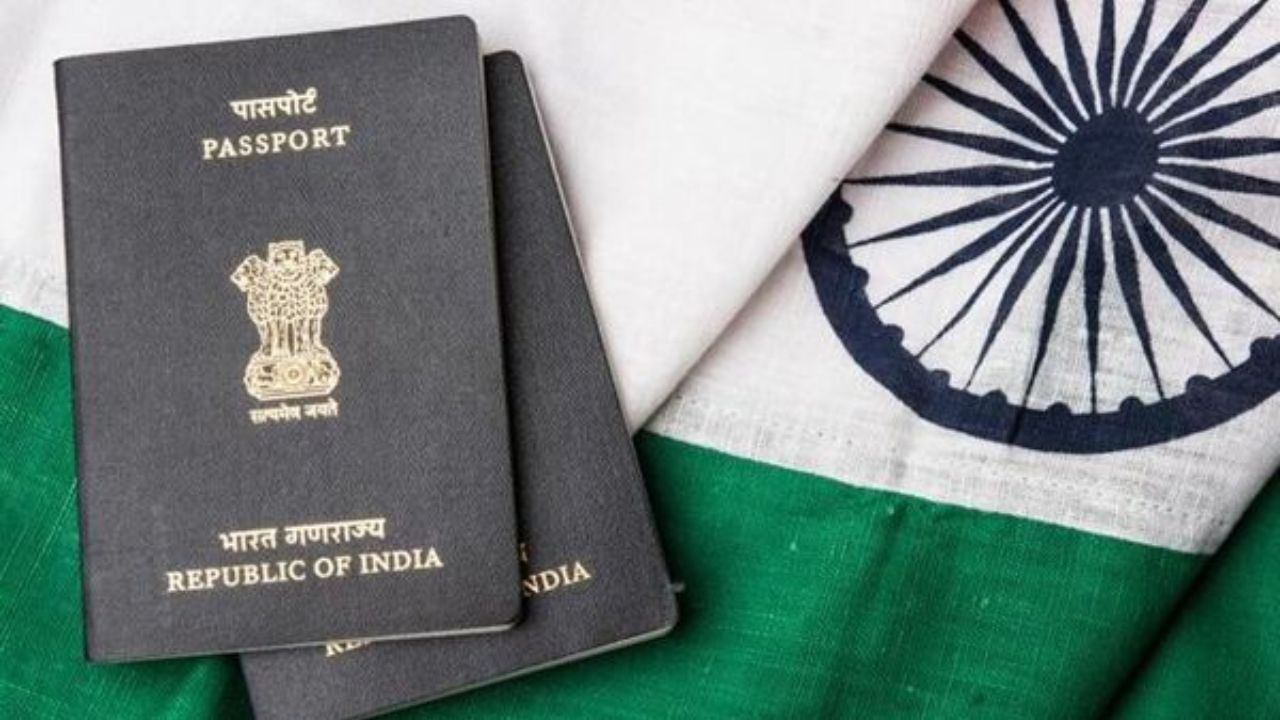
Between 2011 and 2019, about 1.3 lakh people renounced Indian citizenship annually
New Delhi: In the last five years, close to nine lakh Indians have formally renounced their citizenship, signalling a shift that goes beyond routine paperwork. This rising trend reflects deeper changes in how Indians view careers, lifestyle, and belonging in an increasingly globalized world.
Between 2011 and 2019, about 1.3 lakh people renounced Indian citizenship annually. Over the past five years, this number has jumped to approximately 2.2 lakh per year, an increase of nearly 70%.
US Warns Tourists: No visa if purpose is childbirth for citizenship; Details inside
Experts caution against labelling this trend as a sudden exodus. Most individuals giving up Indian citizenship have already lived abroad for years. They pursue education, work, pay taxes, and raise families overseas before applying for foreign citizenship. For them, renunciation is the final administrative step rather than the beginning of a new journey.
While India’s economic growth continues, its benefits remain uneven. Middle-tier professionals often experience growth abstractly, while overseas job markets provide stability, transparent regulations, and clear career trajectories. Predictable income, fixed work hours, and reliable healthcare and education make foreign destinations more appealing for individuals in their 30s and 40s.

As of June this year, 87, 026 Indians had given up their citizenship.
Education is a major gateway for long-term migration. Students pursue degrees in engineering, medicine, management, and research, eventually moving into employment and permanent residency abroad.
Sectors such as technology and healthcare facilitate this transition, with global demand for skilled professionals exceeding supply. Tens of thousands of Indian doctors and engineers now work abroad, drawn by better career prospects and institutional support.
Environmental factors are increasingly influencing relocation decisions. Poor air quality and contaminated water have become major concerns. Cities like Delhi consistently report dangerous PM2.5 levels, while Bengaluru’s air quality is worsening. Clean air and access to potable water are now as significant as job opportunities or education when choosing where to settle.
It was for slaves not rich: Trump ends birth right citizenship in the US; Full story here
Another factor contributing to this trend is citizenship by investment. High-net-worth individuals acquire foreign citizenship or long-term residency by investing in government funds or real estate, gaining legal certainty, mobility, and security. Indians are among the most active applicants globally, alongside Americans, Filipinos, and Brits.
Traditional destinations such as the US, Canada, the UK, and Australia remain popular, though countries like Germany, Japan, Finland, and Italy are attracting skilled Indian professionals. This shift is reshaping India’s talent pool, particularly in healthcare, technology, and research, raising concerns about brain drain and long-term skill gaps.
The growing trend of citizenship renunciation underscores a larger narrative: Indians are redefining where and how they want to live, work, and raise families, prioritizing stability, opportunity, and quality of life over nationality.