 English
 English

Akbaruddin Owaisi Case: Bombay High Court's Big Observation On Lord Ram Remarks Controversy
Mumbai: The Bombay High Court on Monday declined to cancel criminal proceedings against AIMIM MLA Akbaruddin Owaisi over his 2011 election speech, observing that the alleged remarks appeared prima facie intended to mock Lord Ram and could hurt the religious sentiments of devotees.
The court’s decision has brought the long-pending case back into focus, raising a wider debate on the balance between freedom of speech and legal protection against remarks that allegedly target religious beliefs.
The Bombay High Court has declined to quash criminal proceedings against AIMIM MLA Akbaruddin Owaisi over remarks made during an election speech in Maharashtra in 2011, observing that the statements, on a prima facie assessment, appeared intended to mock Lord Ram and were capable of offending the religious sentiments of his devotees.
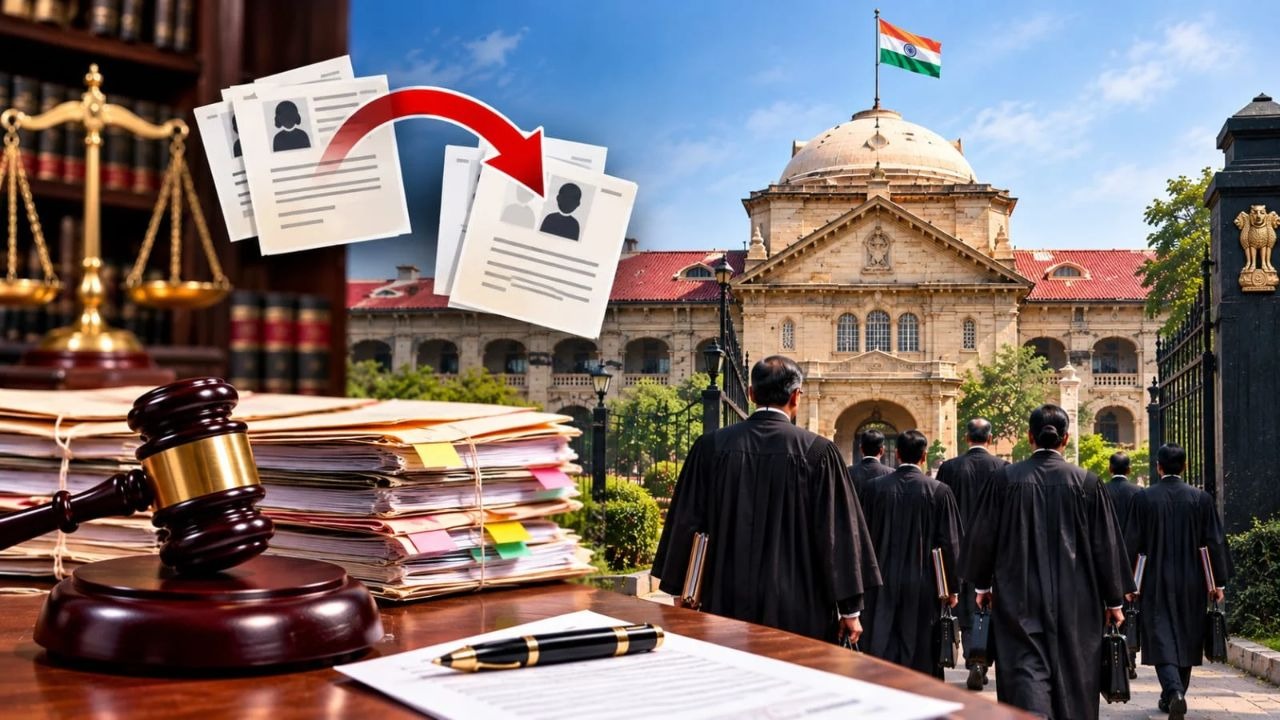
Justice Ravindra M Joshi, sitting at the Aurangabad Bench, rejected Owaisi’s plea challenging the criminal proceedings arising from the speech. The Court held that the material placed before it did not justify invoking the High Court’s inherent jurisdiction to terminate the case at the threshold.
The proceedings relate to a speech delivered by Owaisi at an election gathering in Nanded on December 8, 2011. A complaint concerning the speech was subsequently lodged, alleging that certain portions contained derogatory references to Lord Ram and offended the religious beliefs of members of the Hindu community.
The case was registered for offences under Sections 295A and 298 of the Indian Penal Code. Following investigation, a chargesheet was filed in 2021, after which the Magistrate took cognisance and issued process against Owaisi. He subsequently approached the High Court seeking quashing of the proceedings.
While examining the contents of the speech, Justice Joshi noted that Owaisi had initially referred to issues surrounding the Ram Janmabhoomi dispute and proceedings before the Allahabad High Court. However, according to the Court, certain subsequent statements went beyond those legal and political issues and, prima facie, appeared to ridicule Lord Ram and his mother.
The Court deliberately refrained from reproducing the objectionable portions of the speech in its order, observing that doing so could result in unnecessary publicity to the statements.
Justice Joshi observed that Lord Ram is worshipped by a large section of people in the country and that remarks made in relation to him, when viewed in the context and manner in which they were delivered, could prima facie wound the religious sentiments of his followers. The Court also noted that the alleged remarks appeared measured rather than spontaneous or inadvertent.
The Court emphasised that the constitutional guarantee of freedom of speech is not absolute. While individuals are entitled to hold, express and propagate their religious or non-religious beliefs, such liberty remains subject to constitutionally permissible restrictions.
At the same time, the Bench recognised the importance of freedom of conscience and religion, observing that citizens are entitled to follow a religion of their choice or choose not to follow one. However, the right to hold a particular belief, the Court noted, does not extend to deliberately insulting the religious beliefs of others.
The Court's observations assume significance in the context of Section 295A IPC, which penalises deliberate and malicious acts intended to outrage the religious feelings of a class of citizens. Relying on the Supreme Court's interpretation of the provision, the High Court noted that every insult to religion does not automatically attract criminal liability; the element of deliberate and malicious intention remains material.
In Owaisi’s case, however, the Court found that the circumstances placed before it did not make the allegations inherently improbable or demonstrate an absence of the requisite intent at the stage of quashing.
The Court also rejected the argument that the criminal proceedings were barred by limitation. Owaisi had contended that the speech was delivered in 2011, whereas the Magistrate took cognisance only in November 2021.
The High Court held that the question concerning limitation could be examined at a subsequent stage and did not warrant termination of the proceedings at the present juncture.
Another issue considered by the Court was the continued availability of the speech on YouTube. The Bench expressed concern that if the allegedly objectionable speech remained publicly accessible even after a competent court had taken cognisance of its contents, its continued circulation could perpetuate the alleged insult to the religious sentiments in question.
However, since the platform and other necessary parties were not before the Court, it refrained from issuing directions on the issue, while expressing the expectation that the government would take appropriate steps.
The High Court ultimately dismissed Owaisi’s criminal application, leaving the proceedings before the competent court to continue in accordance with law.
The ruling underscores the delicate constitutional balance between freedom of expression and the statutory protection accorded to religious sentiments. The Court made clear that constitutional tolerance cannot be treated as a carte blanche for deliberate or malicious conduct calculated to demean the religious beliefs of another community.