English
 English

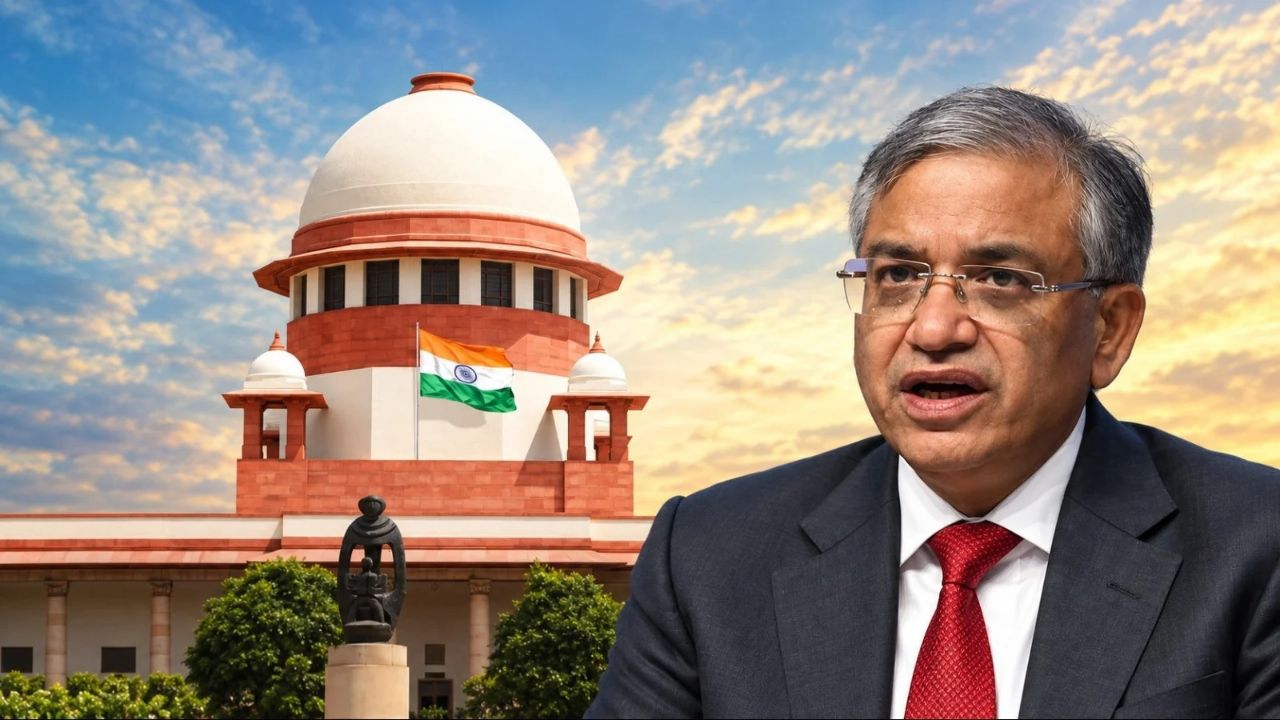
Supreme Court bench sets aside NSA detention order against Sambhal violence accused Mulla Afroz, citing concerns over reliance on custodial confession. (Images: Dynamite News)
New Delhi: The Supreme Court has cancelled the National Security Act (NSA) detention order against Mulla Afroz, an accused in the 2024 Sambhal violence case, observing that a confession allegedly recorded during police custody cannot be the sole basis for preventive detention. A bench of Justices Dipankar Datta and Sheel Nagu set aside the Allahabad High Court order that had earlier upheld Afroz’s detention. The court also imposed a cost of Rs 10 lakh on the Uttar Pradesh government.
The top court held that the state authorities had acted illegally by relying on the alleged custodial confession while forming the 'subjective satisfaction' required for invoking the NSA.
The Supreme Court emphasised that preventive detention requires a genuine assessment based on reliable material and cannot be supported by assumptions about possible future actions. Referring to earlier judgments, including Rekha vs State of Tamil Nadu and Ameena Begum vs State of Telangana, the court highlighted that detention orders must be backed by relevant and objective information rather than speculative claims.
The bench had earlier questioned whether a confession made while in police custody could legally justify preventive detention under the NSA.
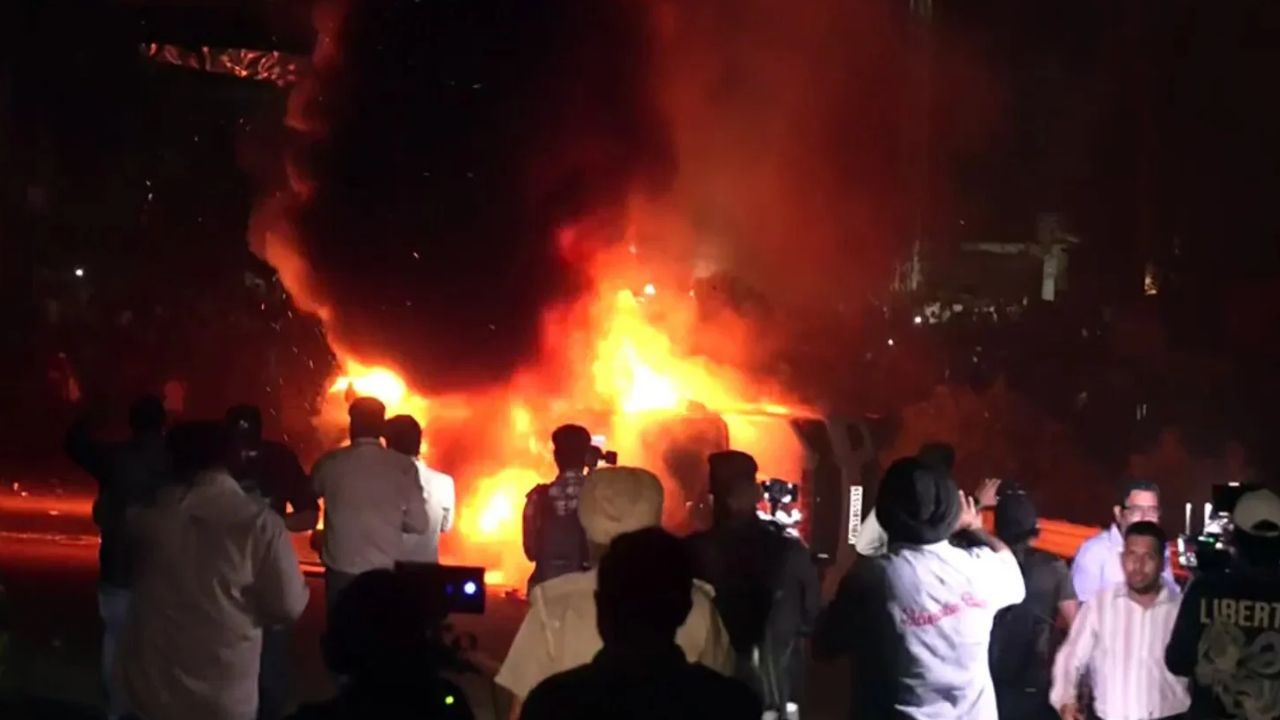
Mulla Afroz was accused by police of being one of the key figures behind the violence that erupted in Sambhal following a court-directed survey of the Shahi Jama Masjid. The clashes resulted in four deaths and triggered a major law-and-order controversy in the region.
Afroz was arrested nearly two months after the incident, reportedly based on a confession allegedly made during police custody. Although he later received bail from the High Court, the Uttar Pradesh government issued a detention order against him under the NSA on October 13, 2025. After the High Court upheld the detention, Afroz approached the Supreme Court.
During the proceedings, the Uttar Pradesh government argued that the detention was necessary to prevent possible future violence and maintain public order. The state maintained that the available evidence was sufficient to justify the preventive detention and argued that questions regarding the confession could be examined separately in other legal proceedings.
Afroz, however, challenged the detention order and alleged that the investigation into police firing during the Sambhal violence was not properly conducted. He also sought permission to file a protest petition.
While delivering the verdict, Justice Dipankar Datta paid tribute to his law clerk who passed away before turning 27 and dedicated the judgment in his memory. The Supreme Court’s decision brings a fresh legal debate over the limits of preventive detention laws and the evidentiary value of custodial statements.