 English
 English

Supreme Court (Img: Pinterest)
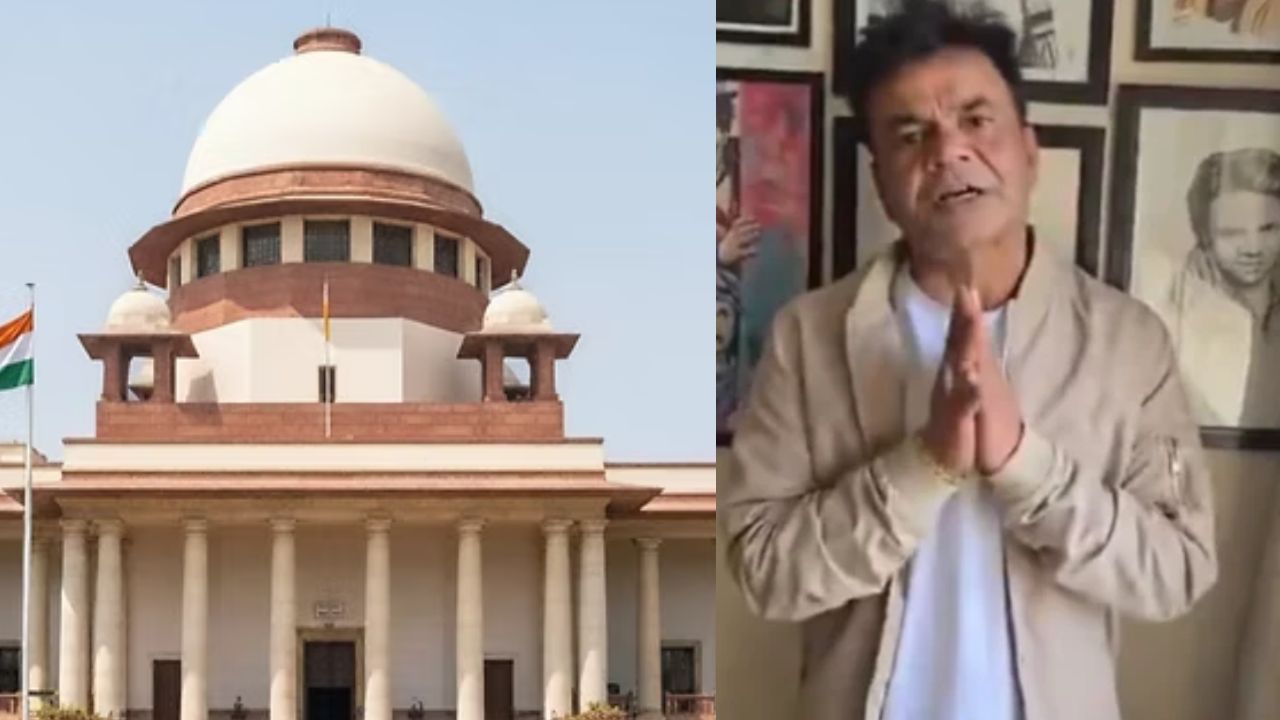
New Delhi: The Supreme Court on Wednesday agreed to examine a plea seeking recall of its September 23 split verdict concerning the constitutional challenge to the 2023 law governing the appointment of the Chief Election Commissioner (CEC) and Election Commissioners (ECs).
The fresh application raises questions over the participation of Justice Satish Chandra Sharma in the earlier proceedings, after it emerged that his son, Siddharth Sharma, is standing counsel for the Election Commission of India (ECI) before the Madhya Pradesh High Court.
The application was mentioned before a bench headed by Chief Justice of India Surya Kant, along with Justices Joymalya Bagchi and V Mohana.
Also Read: INDIA Bloc’s Next Move After CEC Protest: Opposition Seeks Meeting With President Murmu
Senior Advocate Gopal Sankaranarayanan sought listing of the plea, following which the CJI said the court would examine the request and take an appropriate decision.
The plea follows the September 23 split verdict delivered by Justices Dipankar Datta and Satish Chandra Sharma on whether challenges to the 2023 CEC and EC appointment law should be referred to a Constitution Bench.
Justice Datta had held that a reference to a larger bench was not necessary, while Justice Sharma took the view that the petitions raised substantial constitutional questions that warranted consideration by a Constitution Bench under Article 145(3).
Following the divergence, the matter was placed before the Chief Justice for appropriate directions regarding the constitution of a larger bench.
The underlying petitions challenge provisions of the 2023 law under which the selection panel for the CEC and ECs comprises the Prime Minister, the Leader of Opposition in the Lok Sabha and a Union Cabinet Minister nominated by the Prime Minister.
The latest application questions Justice Sharma's participation on the ground that his son has been associated professionally with the ECI.
According to the plea, Siddharth Sharma has been standing counsel for the poll body before the Madhya Pradesh High Court since July 2024. The petitioner has argued that the association should have been disclosed during the proceedings and that disclosure could have allowed the parties to consider seeking recusal.
The petition relies on the principle that justice must not only be delivered impartially but must also be seen to be impartial. Importantly, these are allegations and arguments made in the petition and have not been adjudicated by the Supreme Court.
The case has wider implications because the 2023 law changed the composition of the selection mechanism for the country's top election officials by removing the Chief Justice of India from the panel.
The Supreme Court's decision to examine the recall request does not mean the earlier verdict has been set aside. The court has only agreed to consider the request for listing and will take an appropriate decision on the plea.
Also Read: Gyanesh Kumar’s Parents Break Silence After Congress Protest At Agra Home: What Happened?
The development adds another layer to the ongoing legal challenge over the appointment framework for the CEC and Election Commissioners, with the next step now resting with the Supreme Court.