 English
 English

The first committee will focus on analysing real-time pollution data
New Delhi: In a renewed push to tackle the Capital’s worsening air quality, the Delhi government has constituted three specialised committees to streamline measures, enhance scientific monitoring, and strengthen coordination among departments during the pollution season.
Officials say the move aims to bring more data-driven decision-making and faster on-ground response.
The first committee will focus on analysing real-time pollution data, forecasting air quality levels, and recommending immediate interventions. Equipped with environmental scientists and technical experts, the panel will study trends from monitoring stations, meteorological inputs, and emissions data to guide timely action by government agencies.
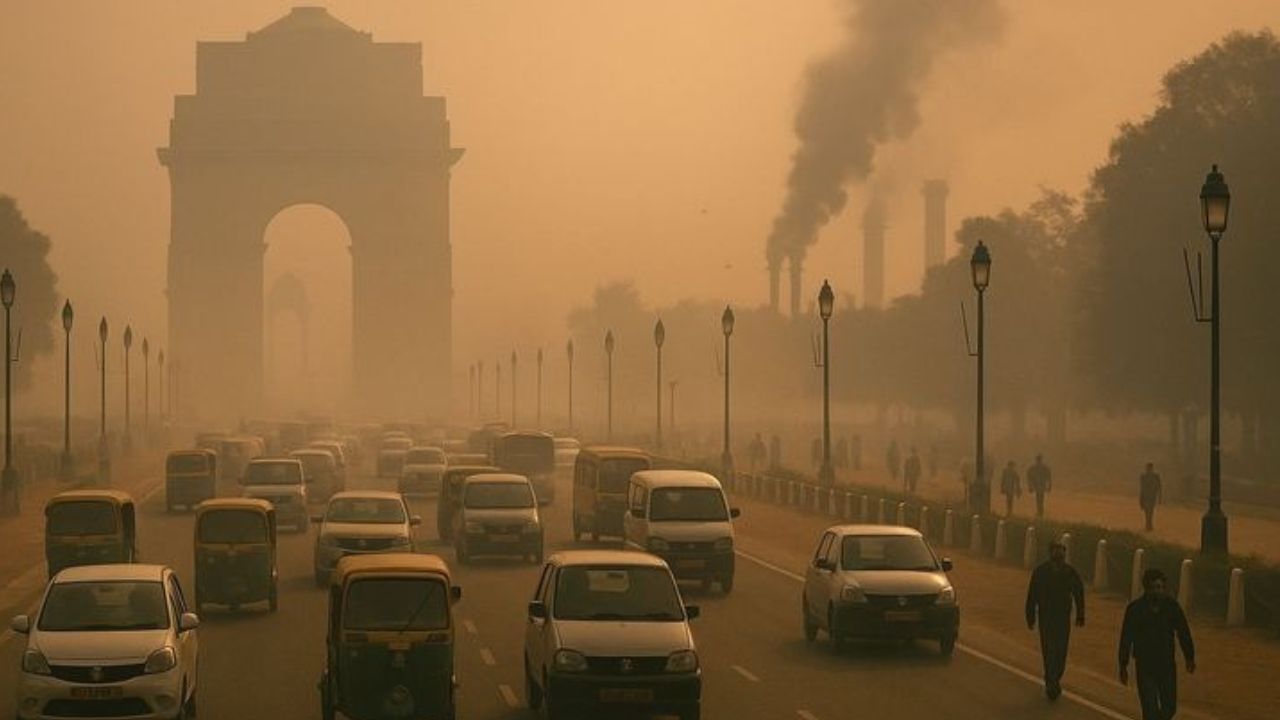
Delhi shrouded in smog, air quality remains hazardous; Check AQI here
A second panel has been formed to ensure smoother coordination between various government departments including transport, environment, industries, and municipal bodies.
This group will regularly review pollution-control efforts such as vehicle checks, waste management, dust control, and enforcement of construction guidelines.
The third committee will oversee campaigns to raise public awareness about pollution-related health risks and promote citizen participation. It will also be responsible for designing behavioural-change initiatives, encouraging cleaner commuting choices, and mobilising RWAs, schools, and volunteers to support government actions.
Delhi-NCR chokes under ‘Toxic’ air as AQI soars to hazardous levels; Making breathing difficult
Officials noted that the three-tier committee structure is expected to reduce delays, improve communication, and ensure accountability. The panels will meet frequently throughout the pollution season and submit progress reports to the Environment Minister.
Delhi experiences severe air pollution every winter due to a combination of local and regional factors, including vehicular emissions, construction dust, industrial activity, and seasonal stubble burning. With pollution levels already showing signs of a rise this year, authorities say these committees will help improve preparedness, strengthen preventive actions, and support long-term environmental planning.