 English
 English

Delhi High Court Steps In As DUSU Election Campaign Faces Fresh Controversy. (Img: Dynamite News)
New Delhi: The Delhi University Students’ Union (DUSU) Election 2026 entered a critical phase on Friday after the Delhi High Court raised serious concerns over alleged violations during the campaign period. The court questioned major student organisations including ABVP and NSUI over claims of vehicle rallies, security breaches and activities allegedly against election guidelines.
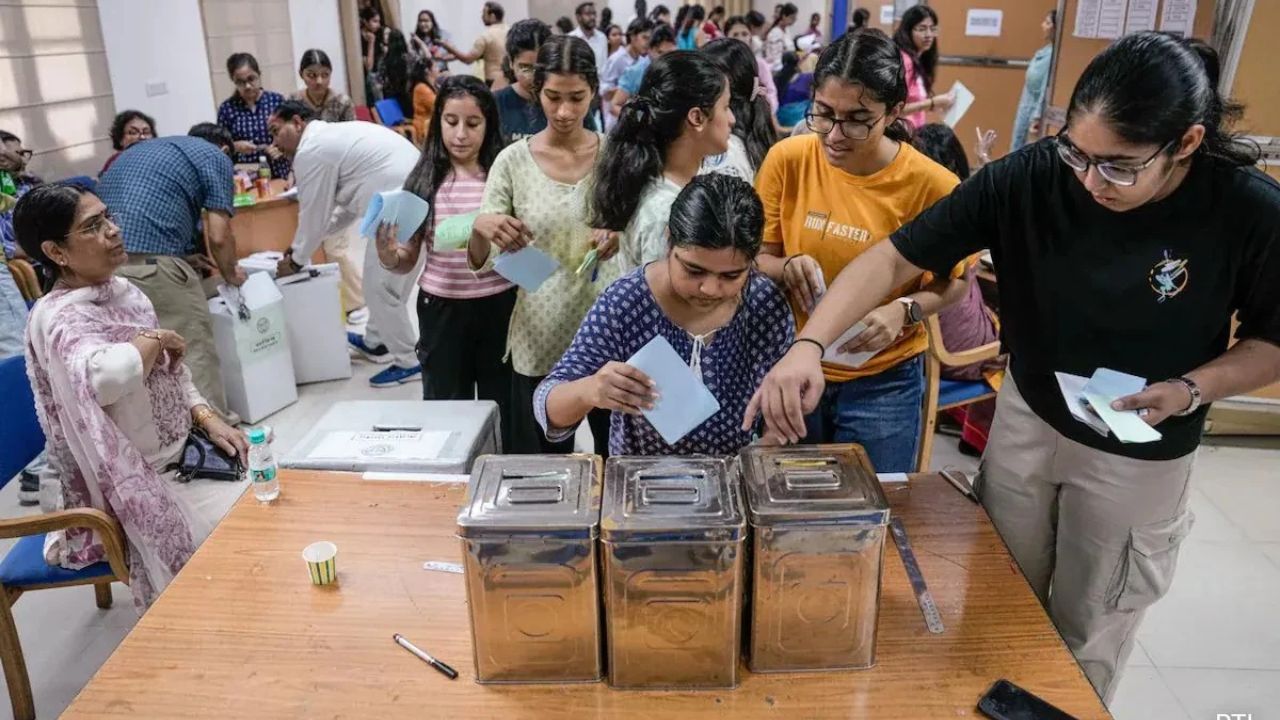
The court’s intervention has added a new layer of controversy to one of India’s most closely watched student elections. With more than 1.5 lakh students eligible to vote, the focus has now shifted from only the electoral battle to questions around discipline, campus safety and compliance with election rules.
Voting for the DUSU 2026-27 elections is taking place on September 18, while counting is scheduled for September 19. However, the court’s latest directions have made the post-result situation a major point of attention.
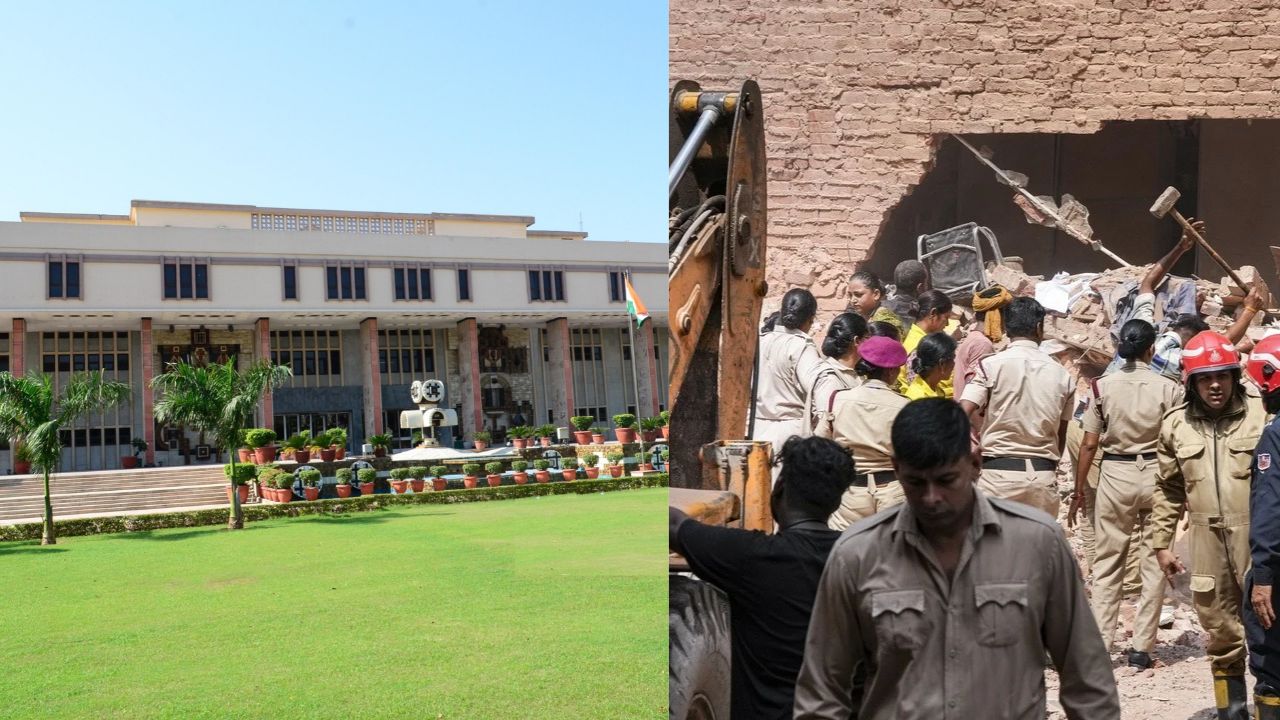
The Bench of Chief Justice D K Upadhyaya and Justice Tejas Karia questioned student organisations over alleged violations during the DUSU election campaign. It highlighted concerns related to large vehicle convoys, cars without registration plates, alleged intimidation and activities that could affect a peaceful election atmosphere.
The court questioned how such campaign activities were allowed despite police deployment around Delhi University’s North Campus. The hearing was linked to allegations of violence and breaches of the Lyngdoh Committee recommendations, which provide guidelines for conducting student elections in a fair and disciplined manner.
The Bencht observed that student elections were meant to encourage democratic participation and representation, but they could not become a platform for activities that violated rules or created fear among students.
The controversy surrounding the DUSU elections intensified after allegations of large vehicle cavalcades during campaigning. The court examined concerns related to groups of vehicles moving around North Campus and questioned whether such displays created pressure or influence during the election process.
The issue of vehicles without number plates also came under scrutiny, with the court seeking answers from Delhi Police regarding enforcement action.
Authorities informed the court that action had been taken against several violations, including vehicle seizures, traffic challans and registration of cases. The court stressed that law enforcement agencies must take strict action to ensure that election campaigns remain within legal limits.
In a major direction ahead of the result announcement, the Delhi High Court has prohibited victory processions after the DUSU election results. The restriction applies to candidates, supporters and student organisations. No victory rally will be allowed on public roads, university campuses or hostel premises.
Delhi Police has been given the responsibility of ensuring compliance with the court order. Any violation of the direction could lead to criminal and administrative action. The court also indicated that ignoring the order could amount to contempt of court. The move aims to prevent possible clashes and maintain peace after the declaration of results.
The Delhi High Court has issued notices to 140 candidates contesting the DUSU elections over alleged violations of election rules. The court is examining whether electoral damages should be imposed on candidates and student organisations if violations are established.
The notices relate to allegations of violating Lyngdoh Committee guidelines, election norms and previous court directions regarding campus elections. Student organisations and candidates have been asked to respond to the allegations and explain why strict action should not be taken. The development has put both individual candidates and student groups under increased legal scrutiny.
Delhi Police informed the court that multiple steps had been taken to control election-related violations. Police officials reported action against vehicles involved in alleged violations, issuance of thousands of traffic challans, registration of cases and arrests in connection with election-related incidents.
Security arrangements have also been increased across Delhi University, especially in North Campus. The university area has been divided into multiple security zones and sectors, with senior police officers deployed to monitor polling locations.
Barricading, checkpoints and additional security personnel have been placed around college gates and sensitive areas to maintain law and order during voting and counting.
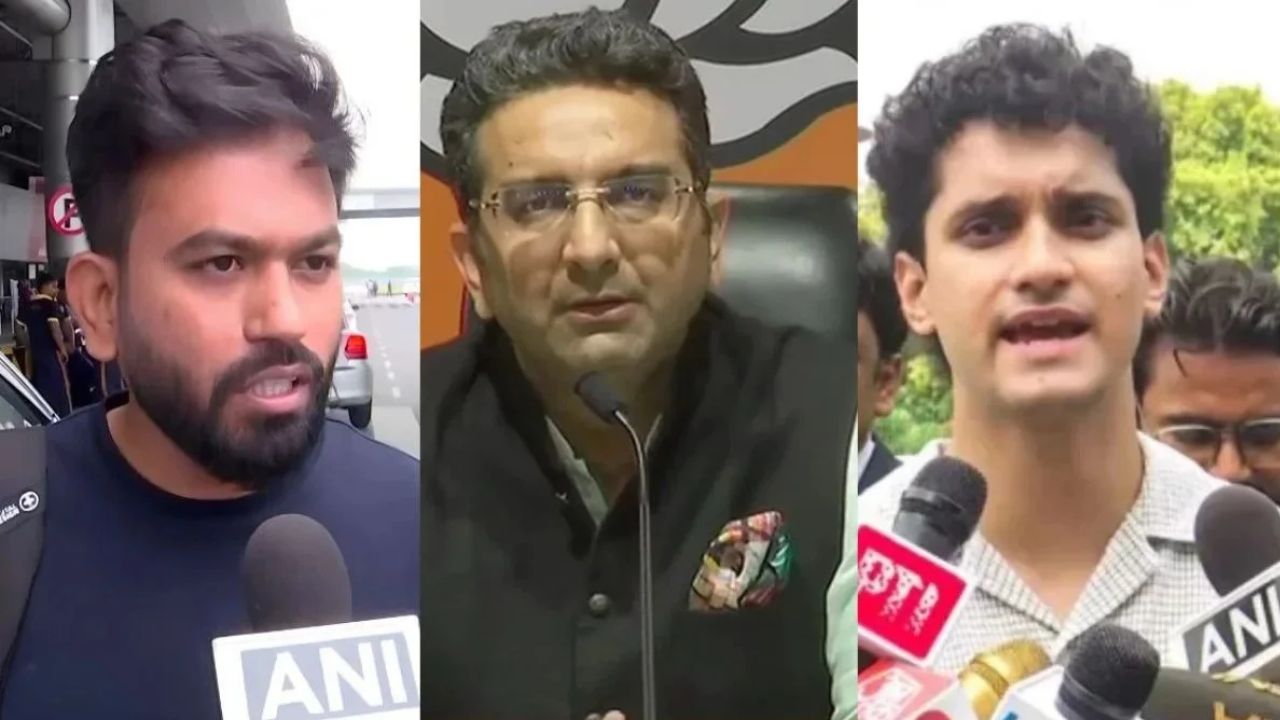
The DUSU Election 2026 contest has attracted attention because of the involvement of major student organisations, including ABVP, NSUI and the AISA-SFI alliance. The election is being conducted for four key positions, including president, vice-president, secretary and joint secretary.
Student groups have focused their campaigns on issues affecting university life, including affordable accommodation, hostel shortages, campus security, transport facilities, academic reforms and student welfare.
The election has also highlighted wider debates around the role of political organisations in campus elections and the need to maintain a balance between student representation and electoral discipline.
The Delhi University Students’ Union election has historically been considered one of the most influential student elections in India. Several prominent political figures have had links with university politics, making DUSU polls a closely followed event beyond the campus.
However, concerns over campaign spending, outside influence, violence allegations and rule violations have repeatedly led to demands for stricter monitoring. The Lyngdoh Committee recommendations were introduced to create a structured framework for student elections, focusing on transparency, limited expenditure and peaceful campaigning.
The latest Delhi High Court intervention has once again brought attention to the challenges of conducting student elections while protecting democratic participation.
The immediate focus remains on vote counting scheduled for September 19 and whether candidates and supporters follow the court’s directions after results.
Delhi University authorities and Delhi Police will continue monitoring the situation around campuses.
The court’s final view on alleged violations, notices issued to candidates and possible electoral damages will shape the next phase of the DUSU election controversy.
The outcome of the case could also influence how future student elections are conducted across universities, especially regarding campaign discipline, security arrangements and accountability.