 English
 English

Beyond Conflict Headlines: How Kashmir’s Young Generation Is Focusing On Education, Careers And Growth (Img; Screenshot from Interview)
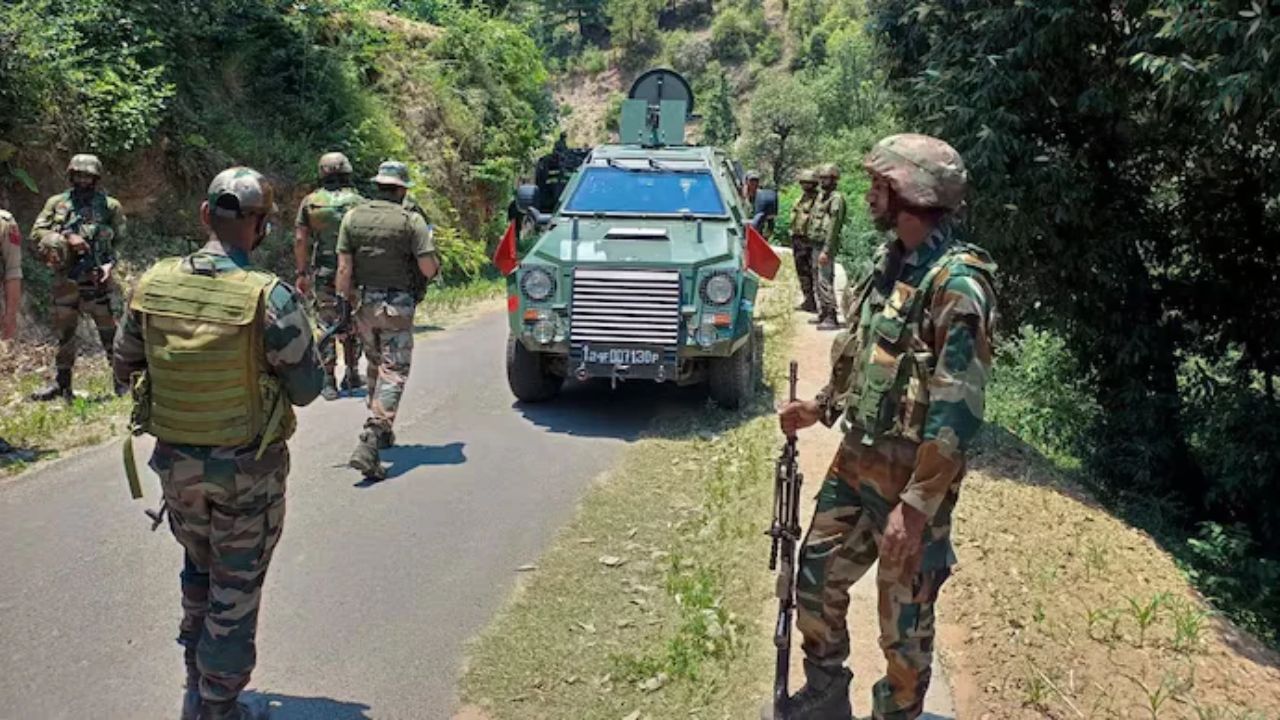
Srinagar: For decades, Kashmir’s story has largely been viewed through the lens of conflict, shutdowns, violence and uncertainty. But a new generation that grew up witnessing these challenges is increasingly trying to create a different identity one built around education, careers, entrepreneurship, sports and opportunities.
For many young Kashmiris, the transformation is not only about changes in the political or administrative environment. It is also about a shift in aspirations and the way they imagine their future.
WATCH: For years, Kashmir’s youth grew up witnessing terrorism, shutdowns, uncertainty and disruptions that affected education, careers and everyday life. But a new generation is now looking beyond those experiences, focusing on education, entrepreneurship, sports, tourism and… pic.twitter.com/QHiuKtWkKL
— Dynamite News (@DynamiteNews_) September 17, 2026
Young people who experienced disruptions in education, restrictions on movement and periods of instability say they now want to be recognised for their skills, achievements and ambitions rather than the circumstances they were born into.
Sheikh Mudasir, a young educator and opinion analyst, said the difference between the Kashmir of earlier years and the aspirations of today’s youth is becoming increasingly visible.
“Before 2019, shutdowns, hartals and protest calendars frequently disrupted normal life. Educational institutions were affected, development suffered and young people lost valuable academic time. That environment shaped an entire generation,” Mudasir said.
According to him, the priorities of young Kashmiris are increasingly centred around education, professional growth and constructive participation.
“The youth are telling a different story today. They want to study, compete, build careers and contribute to the country. They want to be recognised for their talent and hard work rather than the circumstances they were born into,” he said.
Mudasir also highlighted concerns related to transparency in recruitment and competitive examinations, saying that young people want systems where merit remains the key factor.
“Young people want merit to be the deciding factor. They want institutions where ability, performance and hard work determine opportunity,” he said.
He added that better governance, transparent processes and effective public services could play an important role in strengthening confidence among young people.
For young activist Abid Hashmi, the change comes from personal experience.
“There was a time when stepping outside the home itself could become difficult. Education suffered, opportunities were lost and uncertainty became part of everyday life. We could not use those years to develop ourselves in the way young people should,” Hashmi said.
He said the current generation is increasingly looking towards participation and growth.
“Today, we are seeing young people participate in sports, education, cultural activities and different professional fields. There is a growing desire to live normally, build careers and create something of our own,” he said.
Across Kashmir, young people are exploring opportunities beyond traditional career choices. Entrepreneurship, technology, tourism, creative industries and sports have emerged as important areas of interest.
Sports, in particular, has become a major platform for youth engagement, allowing young men and women to compete at different levels and showcase their talent.
Tourism and Kashmir’s cultural heritage are also being viewed by many young people as avenues for economic growth. The region’s landscapes, traditions and local skills are increasingly being connected with new business opportunities.
Digital platforms and social media have further expanded avenues for young entrepreneurs, artists and professionals to showcase their work beyond traditional boundaries.
The growing optimism among Kashmir’s youth does not mean that challenges have disappeared.
Employment opportunities, quality education, economic growth and inclusive development remain major concerns. The long-term success of this changing narrative will depend on whether opportunities reach ordinary families and whether young people can convert aspirations into sustainable careers.
For Mudasir and Hashmi, however, the direction of change itself is significant.
Hashmi said the younger generation does not want future generations to experience the uncertainty that affected earlier years.
“We have seen difficult times, and we know what they did to our education, our families and our future. We don’t want that experience for the next generation. We want peace, progress and the opportunity to build a better future,” he said.
The emerging story of Kashmir is not only about what has changed over the years, but also about who is driving that change.
A generation that inherited memories of disruption is increasingly speaking the language of opportunity. Young Kashmiris are seeking recognition through education, professional success, sports achievements and entrepreneurship.
The biggest transformation may not only be visible on roads, campuses or sporting fields, but also in the aspirations of young people who are increasingly choosing to imagine a future beyond conflict.