English
 English
India has tightened LPG rules by banning PNG users from holding or taking LPG connections to protect cooking gas supplies. The move comes as tensions in West Asia disrupt imports through the Strait of Hormuz, prompting the government to boost domestic production.
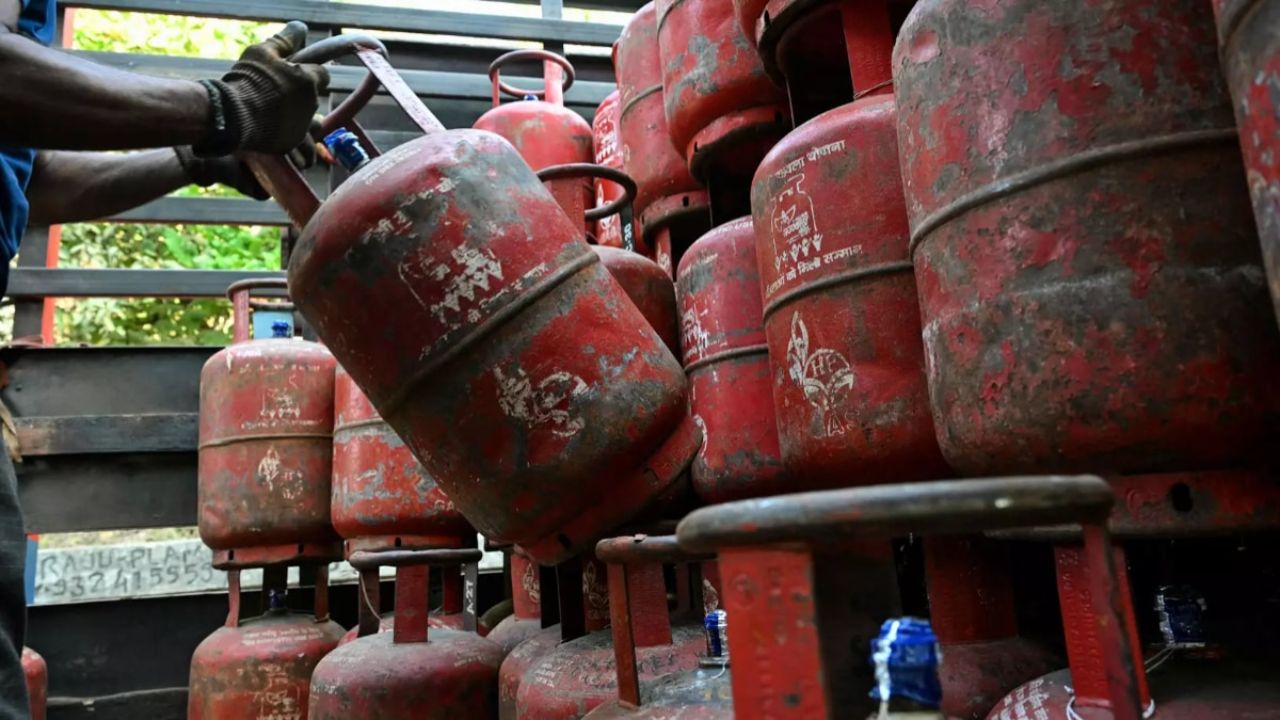
India Restricts LPG Access for PNG Users (Image Source: Internet)
New Delhi: The Government of India has introduced a new rule to protect cooking gas supplies. People who already have a Piped Natural Gas connection will not be allowed to take a new LPG connection or keep an additional one, reports Dynamite News correspondent.
According to the updated order, households that currently have both PNG and Liquefied Petroleum Gas connections must immediately surrender their LPG connection. They will also not be allowed to book LPG refills.
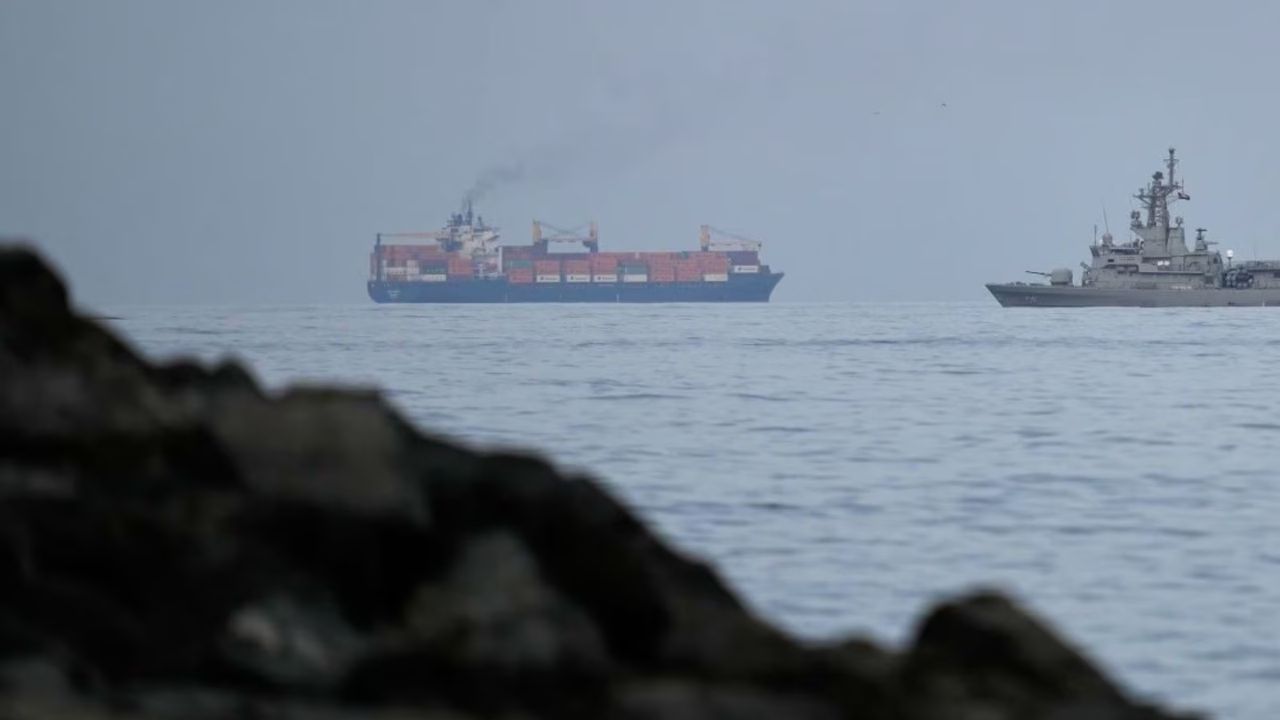
The rule comes because cooking gas imports are facing pressure due to tensions in West Asia. Shipping through the critical Strait of Hormuz has been disrupted, affecting global LPG supplies.
India imports about 60% of its cooking gas needs, and nearly 90% of these imports pass through the Strait of Hormuz. Any disruption in this route can directly affect gas availability in the country.
To handle the situation, the Ministry of Petroleum and Natural Gas has ordered refineries to increase the use of propane and butane, the main components used to make LPG.
According to ministry official Sujata Sharma, domestic cooking gas production has increased by about 31% since these supply measures were introduced.
The government has also advised commercial users, such as restaurants and businesses, to shift from LPG to PNG wherever possible. This step aims to reduce pressure on LPG supplies and ensure households continue receiving cooking gas without shortages.
Officials said 29 states and Union Territories have already started distributing commercial LPG cylinders as part of the supply management plan. A committee involving public sector oil companies is also reviewing the gas needs of businesses.
The government’s main aim is to prioritise domestic LPG consumers, especially during the current geopolitical tensions that are affecting energy supplies worldwide.