English
 English

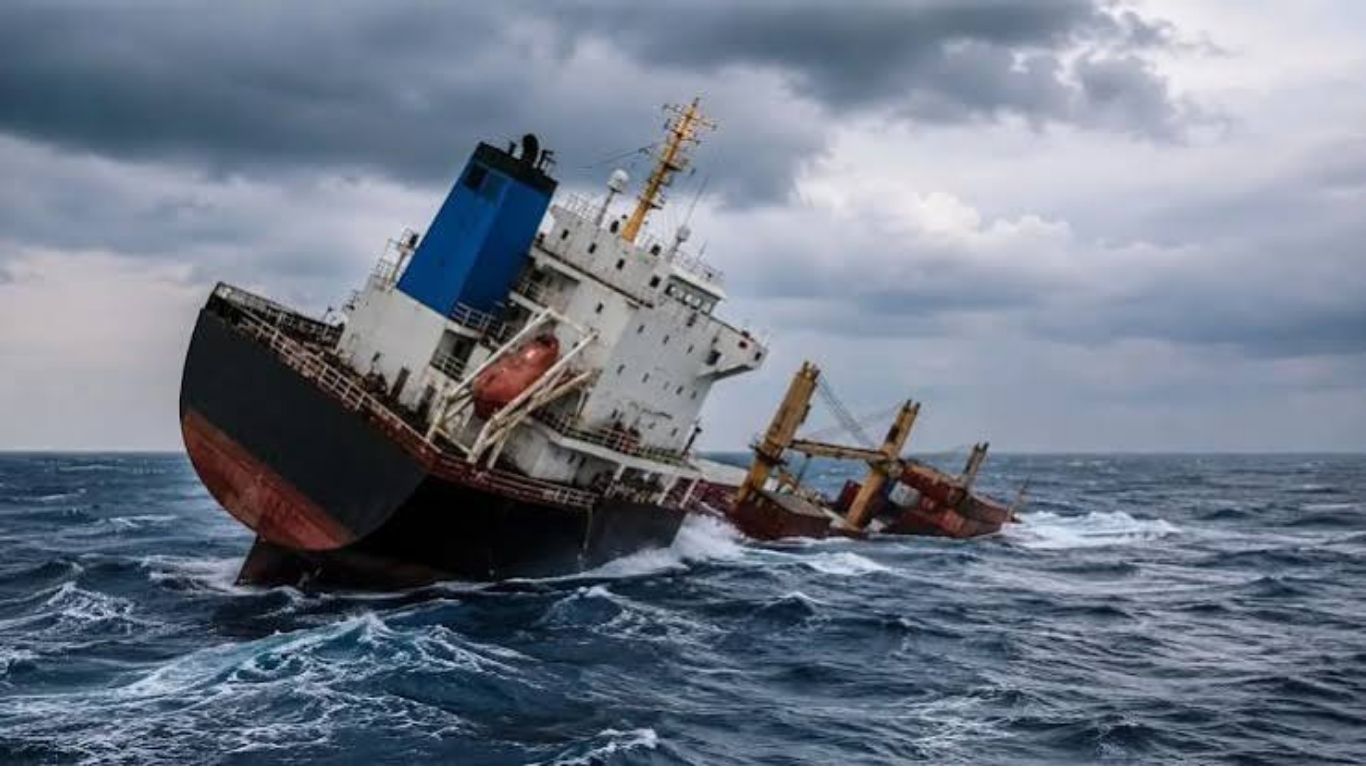
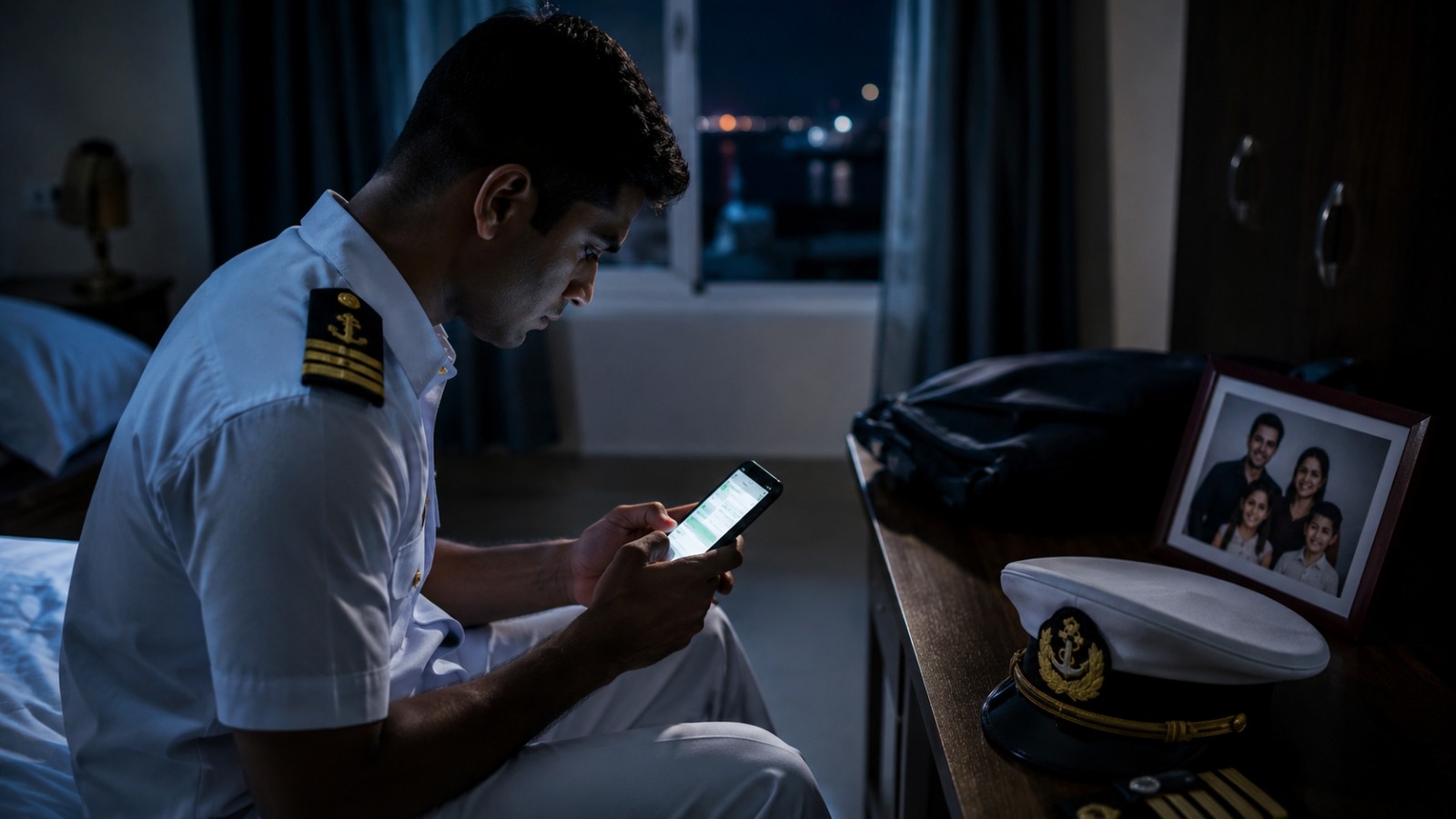
The Arabian Sea collision has triggered a formal diplomatic protest from New Delhi. (Img: Dynamite News)
New Delhi: India has summoned Pakistan’s Charge d’Affaires after a Pakistani naval vessel collided with an Indian Navy unit in international waters. The incident, which reportedly took place in the North Arabian Sea, has triggered a strong diplomatic protest from New Delhi despite no major damage being reported.
The collision occurred on the evening of September 15 while the Indian Navy vessel was carrying out a routine surveillance mission, according to Indian officials cited in reports. The incident has drawn attention because it involved naval units of two countries with longstanding military tensions and has now moved from a maritime encounter to a formal diplomatic issue.
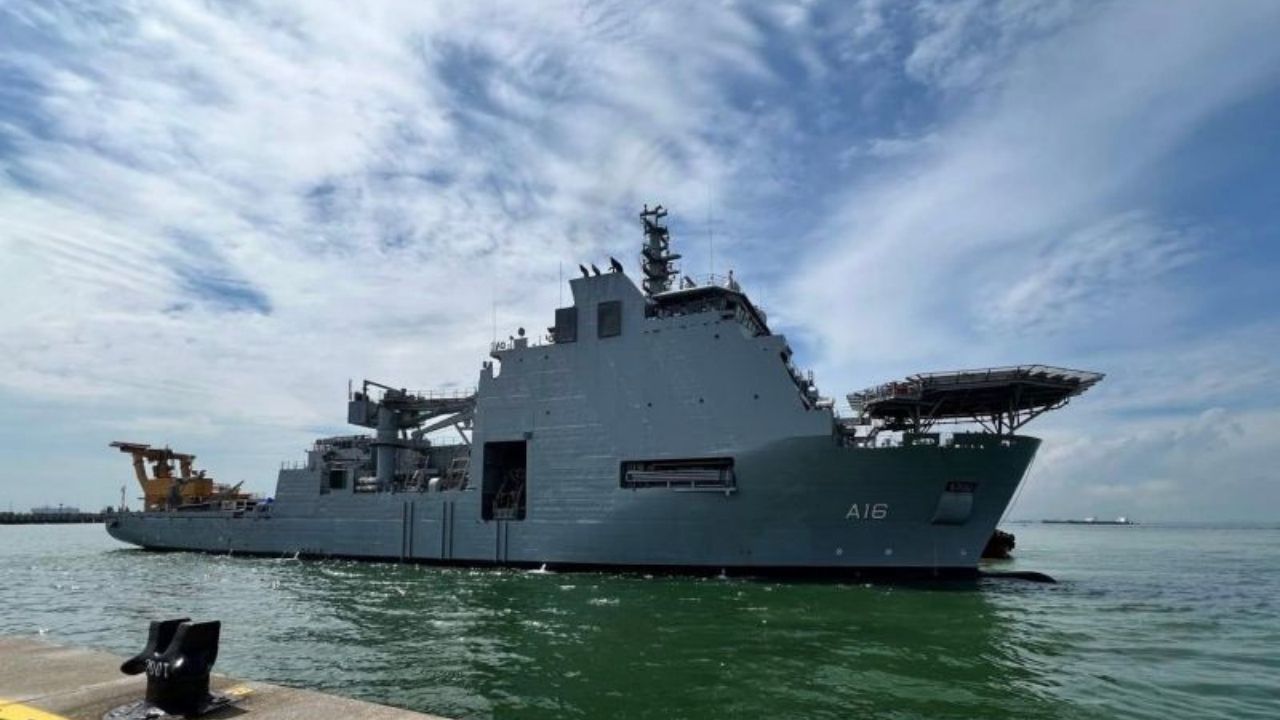
According to sources, a Pakistani naval vessel approached a frontline Indian Navy warship at high speed while the Indian vessel was conducting routine surveillance in the North Arabian Sea.
Indian officials said the Pakistani vessel subsequently manoeuvred in an unsafe and unprofessional manner, resulting in a collision between the two naval units. The incident took place in international waters.
No major damage was reported, and there has been no official indication of a major casualty incident. However, the circumstances surrounding the approach and manoeuvring of the Pakistani vessel have become the main focus of India’s response.
Following the incident, the Ministry of External Affairs summoned Pakistan’s Charge d’Affaires in New Delhi and lodged a strong diplomatic protest. The MEA described the conduct of Pakistani naval units as unacceptable and unprofessional.
India asked the Pakistani diplomat to convey to the concerned authorities in Islamabad the need for military units to exercise due care and respect relevant bilateral agreements to prevent similar incidents. India has also instructed its Charge d’Affaires in Islamabad to lodge a corresponding protest with Pakistan’s Ministry of Foreign Affairs.
One of the most significant aspects of India’s response is its reference to the 1991 Agreement between India and Pakistan on Advance Notice on Military Exercises, Manoeuvres and Troops Movements.
According to MEA, the conduct of the Pakistani naval units was in direct contravention of Article 10 of the agreement. India has therefore placed the incident within the broader framework of existing bilateral commitments rather than treating it only as a navigational mishap.
The agreement is part of a series of mechanisms intended to reduce the risk of misunderstandings and dangerous encounters involving the armed forces of the two countries. India’s invocation of Article 10 gives the diplomatic protest an additional legal and bilateral dimension.
The reported absence of major damage has prevented the incident from becoming a larger maritime emergency. However, the diplomatic response shows that New Delhi considers the circumstances serious enough to formally raise with Islamabad.
Naval encounters at sea involve significant operational and safety risks, particularly when military vessels are operating in proximity. A high-speed approach or unsafe manoeuvre can reduce the time available for crews to respond and avoid a collision. The incident raises questions about communication, navigational safety and operating procedures when Indian and Pakistani naval assets encounter each other at sea.
The immediate impact is diplomatic rather than military. India has chosen to formally protest through diplomatic channels while simultaneously asking Pakistan to ensure that its military units follow appropriate safety practices and bilateral commitments.
The incident is also likely to receive attention because it occurred in international waters during a routine surveillance mission. The details of the encounter, including the exact vessels involved and the sequence of manoeuvres, could become clearer if either side releases additional information.
For the public, the key concern is whether the incident remains an isolated maritime encounter or becomes another source of friction between New Delhi and Islamabad.
The next major development will likely be Pakistan’s response to India’s diplomatic protest and whether Islamabad provides its own account of the collision. India has already conveyed its position through diplomatic channels in both New Delhi and Islamabad. The focus will now be on whether further operational details emerge and whether both sides take steps to prevent another such encounter.
For now, the confirmed picture is that naval units from India and Pakistan were involved in a collision in international waters, no major damage was reported, and India has formally protested what it described as unacceptable and unprofessional conduct.