Iran Israel US War: Rajnath Singh to Head Inter-Ministerial Group on Middle East Conflict
The Government of India has constituted an Inter-Ministerial Group (IMG) to monitor developments and assess their impact on the country’s economy and energy security.
New Delhi: In response to the escalating crisis in West Asia, the Government of India has constituted an Inter-Ministerial Group (IMG) to monitor developments and assess their impact on the country’s economy and energy security.
High-Level Panel Under Rajnath Singh
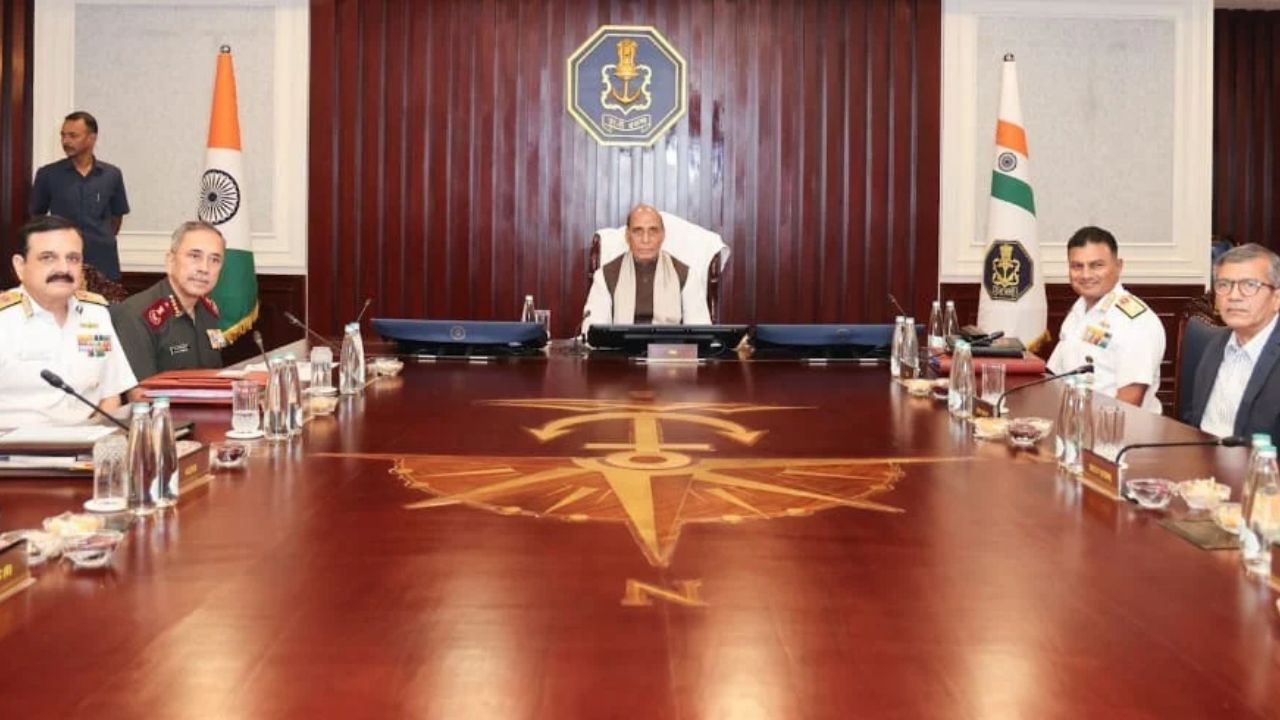
The group will be chaired by Defence Minister Rajnath Singh and includes key members such as Home Minister Amit Shah, Finance Minister Nirmala Sitharaman, and Petroleum Minister Hardeep Singh Puri, among others.
According to sources, the panel will keep a close watch on issues arising from the Middle East conflict, including its impact on fuel supplies, prices, and broader economic stability.
In a parallel move, the government has slashed excise duties on fuel to mitigate the impact of rising global oil prices. Excise duty on petrol has been reduced to ₹3 per litre, while diesel has been brought down to zero.
Additionally, a windfall tax of ₹21.5 per litre has been imposed on diesel exports, aimed at balancing domestic supply and revenue considerations.
Revised ATF Tax Structure
The Centre has also revised taxes on Aviation Turbine Fuel (ATF), introducing a special additional excise duty of ₹50 per litre. However, exemptions will bring down the effective rate to ₹29.5 per litre in certain cases, offering relief to the aviation sector grappling with rising fuel costs.
Officials said these calibrated adjustments are intended to maintain equilibrium between fiscal needs and industry support.
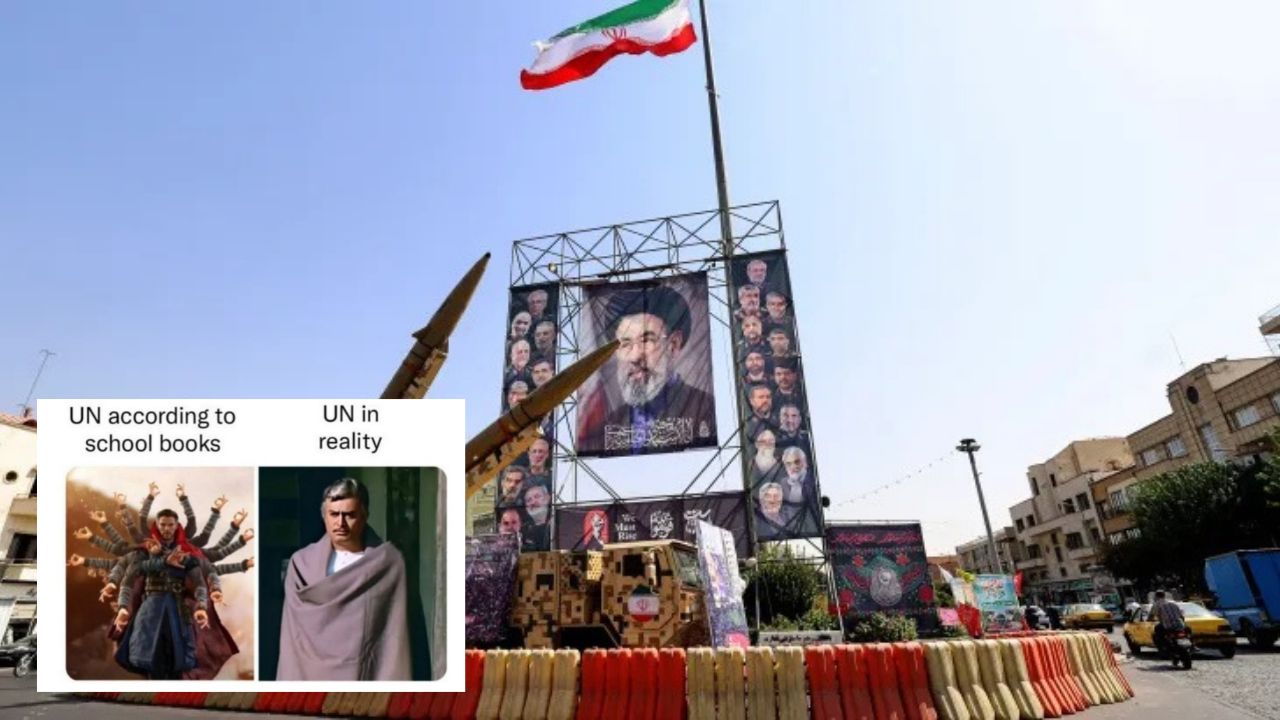
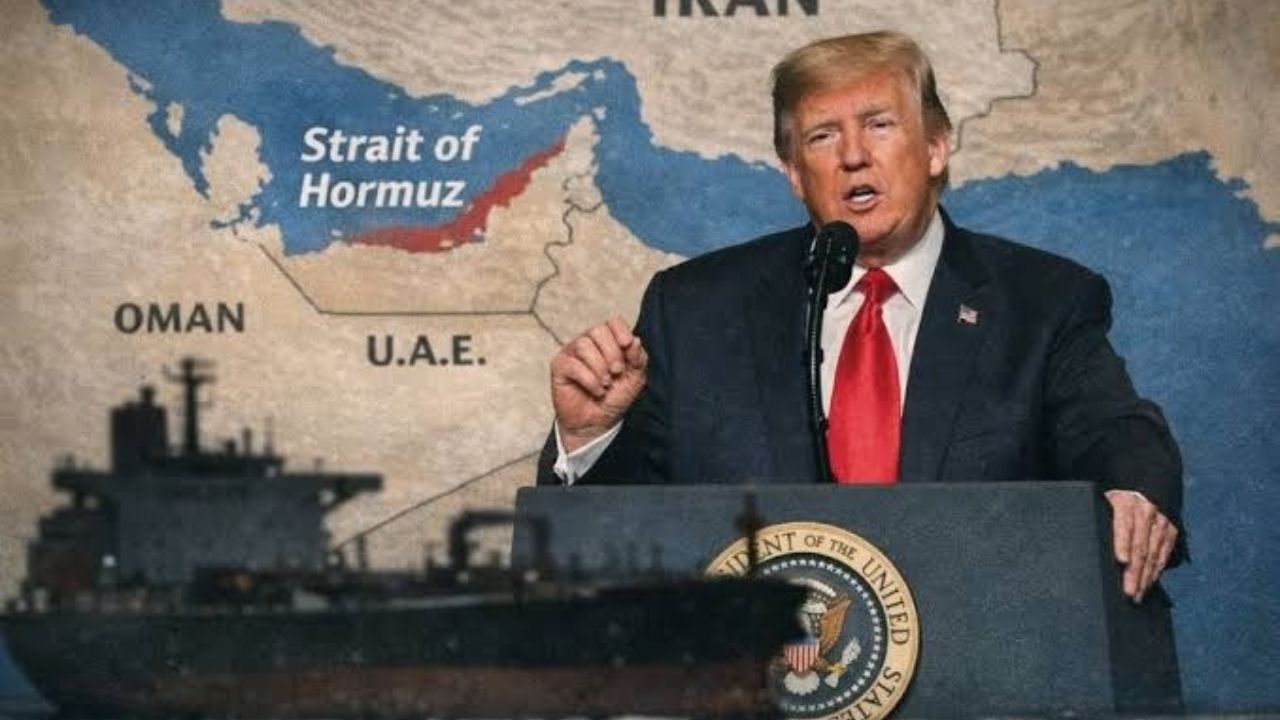
The policy decisions come amid a deepening global energy crisis linked to the ongoing conflict involving the United States, Israel, and Iran. The situation has worsened following Tehran’s reported blockade of the strategic Strait of Hormuz.
This vital chokepoint handles nearly 20–25 million barrels of crude oil and gas per day—about a fifth of global supply—making disruptions a major concern for energy-importing nations like India.
Focus on Energy Security and Stability
Before the escalation, India sourced around 12–15% of its crude oil imports through the Strait of Hormuz. The ongoing disruption has prompted the government to take proactive steps to ensure supply continuity and price stability.
The Inter-Ministerial Group is expected to meet regularly and recommend further measures, as New Delhi navigates the economic challenges posed by the evolving geopolitical situation.

 English