 English
 English

Strait of Hormuz (Image Source: Internet)
New Delhi: The situation in the Strait of Hormuz appears to be deteriorating rapidly. This is the world's most critical oil route, through which vast quantities of crude oil pass. The confrontation between the United States and Iran in this region has further exacerbated the situation.
On one hand, the United States is attempting to blockade Iranian ports; on the other, Iran has adopted a firm stance, asserting its intent to control the waterway. Iran has made it clear that as long as the US blockade persists, it will continue to impede the movement of ships.
The situation took a graver turn when Iranian military units opened fire on an oil tanker, reports BBC. Although the ship and its crew have been reported safe, this incident forced several vessels to turn back from their routes.
The tanker’s captain reported being approached 37 kilometres northeast of Oman by two gunboats of Iran’s Revolutionary Guards Corp (IRGC). Without any radio warning, the gunboats “then fired upon the tanker”, the U.K. Maritime Trade Operations Centre said in an online statement.
Littoral combat ship USS Canberra (LCS 30) patrols the Arabian Sea during the U.S. blockade. Since commencement of the blockade, 23 ships have complied with direction from U.S. forces to turn around. American forces are enforcing a maritime blockade against ships entering or… pic.twitter.com/PMIBOoeJXS
— U.S. Central Command (@CENTCOM) April 18, 2026
Moreover, the US has forced 23 ships to turn around near the Strait of Hormuz since a naval blockade of Iranian ports was established, according to Central Command (CentCom). In a post on X, CentCom says American forces are still enforcing the blockade, which began on 13 April.
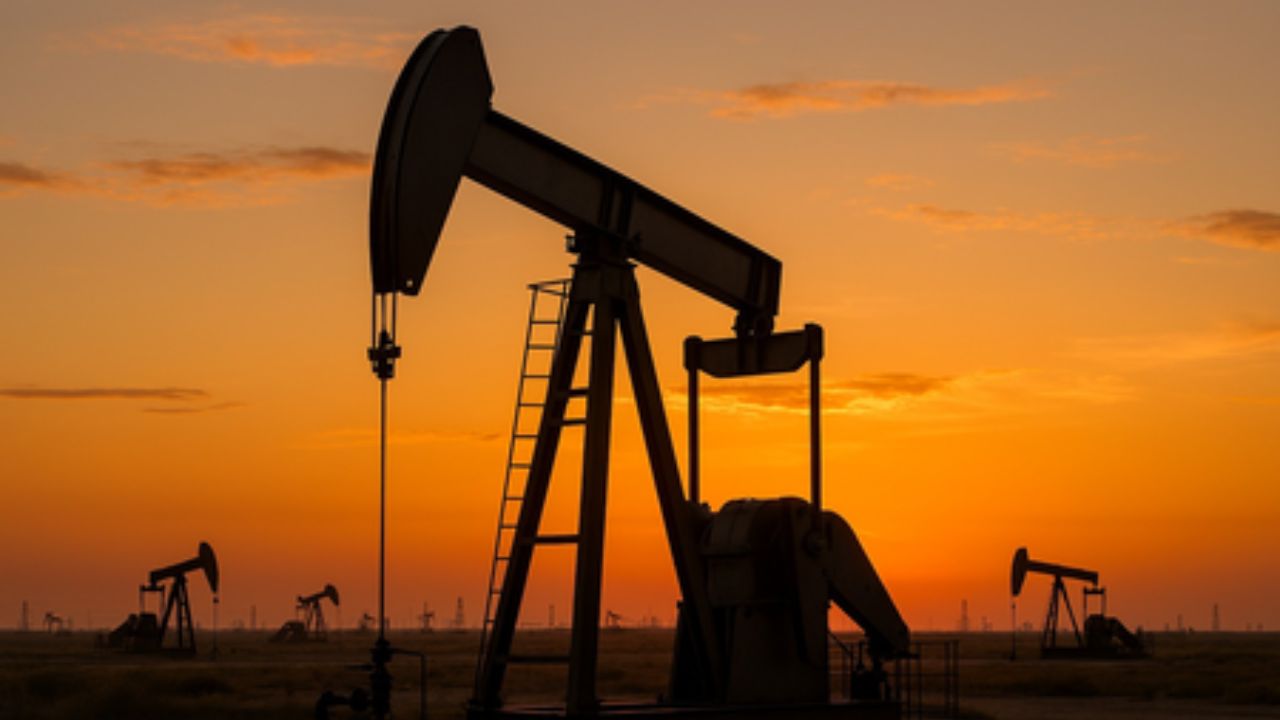
A substantial portion of the world's oil supply passes through the Strait of Hormuz. Any disruption in this region implies that global oil prices could surge, and an energy crisis could deepen. Amidst the already prevailing tensions, this situation has become even more alarming.
Although several mediating nations are still striving to find a resolution through dialogue, the situation on the ground remains extremely fragile. Even a minor misstep could spiral into a major conflict.
Countries like India and China also receive their oil supplies through this vital route. If tensions escalate here, it could also impact petrol and diesel prices, as well as the broader economy. However, India has diversified its oil supplies and reiterated that it does not face any shortage of oil and gas. The blockade, however, could eventually increase global crude oil prices and impact the Indian economy.
The escalating conflict in the Strait of Hormuz serves as a major warning to the world. If a resolution is not found soon, this crisis could pose a threat to both the global economy and international peace.