 English
 English

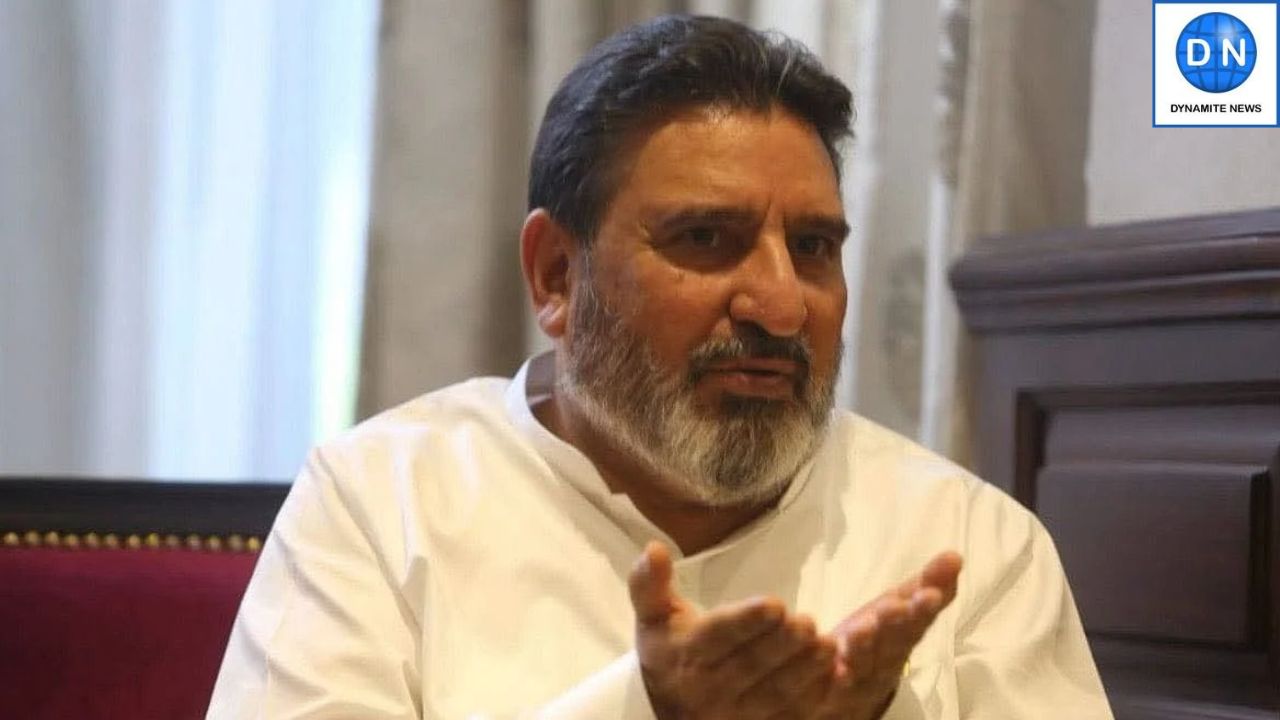
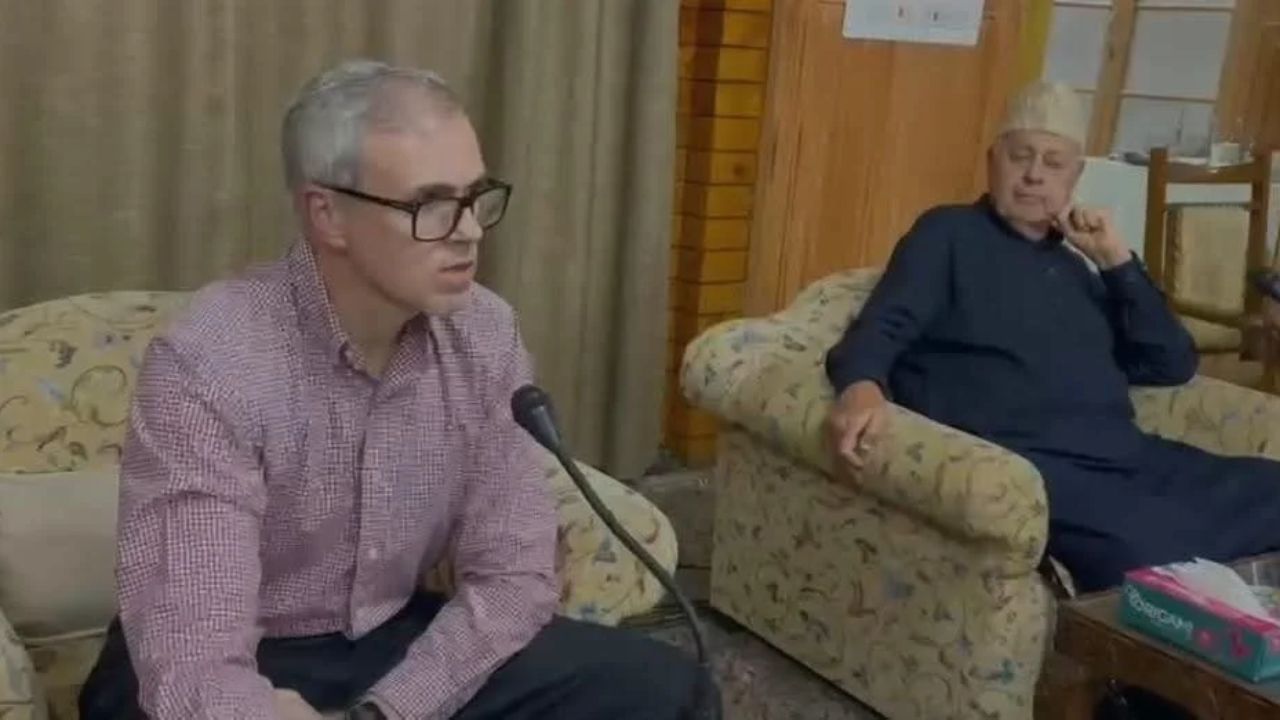
Jammu and Kashmir Assembly begins crucial session amid political discussions. (Img: Dynamite News)
Srinagar: The Jammu and Kashmir Legislative Assembly opened its Autumn Session in Srinagar on Monday, setting the stage for intense political discussions over governance, employment, public welfare schemes and issues affecting citizens across the Union Territory.
The 10-day Assembly session, scheduled from September 21 to September 30, will have seven sittings where legislators will raise questions, debate policy matters and seek responses from the government on issues connected with development, administration and public services.
The session comes at a crucial time as political parties are expected to highlight concerns linked to unemployment, infrastructure challenges, worker regularisation, electricity tariffs and implementation of government commitments.
With multiple public issues on the agenda, the Assembly proceedings are likely to become a major platform for political discussions and accountability debates.
The first sitting of the Autumn Session began with obituary references to former ministers Dr Sheikh Mustafa Kamal, Dharam Paul and Ghulam Hassan Khan.
After paying tribute to the former legislators and public representatives, the House moved towards Question Hour and other scheduled legislative business.
During the session, members are expected to question government departments on policies, schemes and administrative decisions affecting people at the grassroots level.
One of the most closely watched developments during the session will be the presentation of the House Committee report on alleged irregularities in the implementation of the Jal Jeevan Mission in Jammu and Kashmir.
Justice Hasnain Masoodi, chairman of the committee, is scheduled to place the report before the House.
The committee was constituted in April 2025 to examine concerns related to the execution of the water supply mission in Jammu and Kashmir.
The issue has drawn attention because the Jal Jeevan Mission is a major public infrastructure initiative aimed at improving rural drinking water access and providing household tap connections.
The discussion around the report is expected to bring focus on project implementation, monitoring mechanisms and delivery of government schemes on the ground.
Another important legislative item is the introduction of the Jammu and Kashmir Cooperative Societies (Amendment) Bill, 2026. The proposed legislation seeks to amend the Jammu and Kashmir Cooperative Societies Act, 1989 and introduce changes in the regulatory framework governing cooperative organisations.
The bill also includes provisions related to the repeal of the Jammu and Kashmir Self-Reliant Cooperative Act, 1999, along with transitional arrangements for existing self-reliant cooperatives. The proposed changes are expected to influence the functioning, management and legal structure of cooperative societies in the Union Territory.
The Opposition is expected to make unemployment and governance-related concerns a central part of the Assembly debate.
Issues including job creation, shortage of public services, outsourcing policies, reservation-related matters, regularisation of employees, power tariffs and infrastructure development are likely to dominate discussions.
Political parties are expected to question the government over employment opportunities, welfare delivery and the pace of development projects.
The Assembly session will also provide legislators an opportunity to raise constituency-level issues and highlight concerns directly affecting citizens.
The Congress, despite being an alliance partner of the National Conference, has indicated that its legislators will raise issues of public importance during the session.
The party is expected to focus on governance, development priorities and matters connected with public welfare.
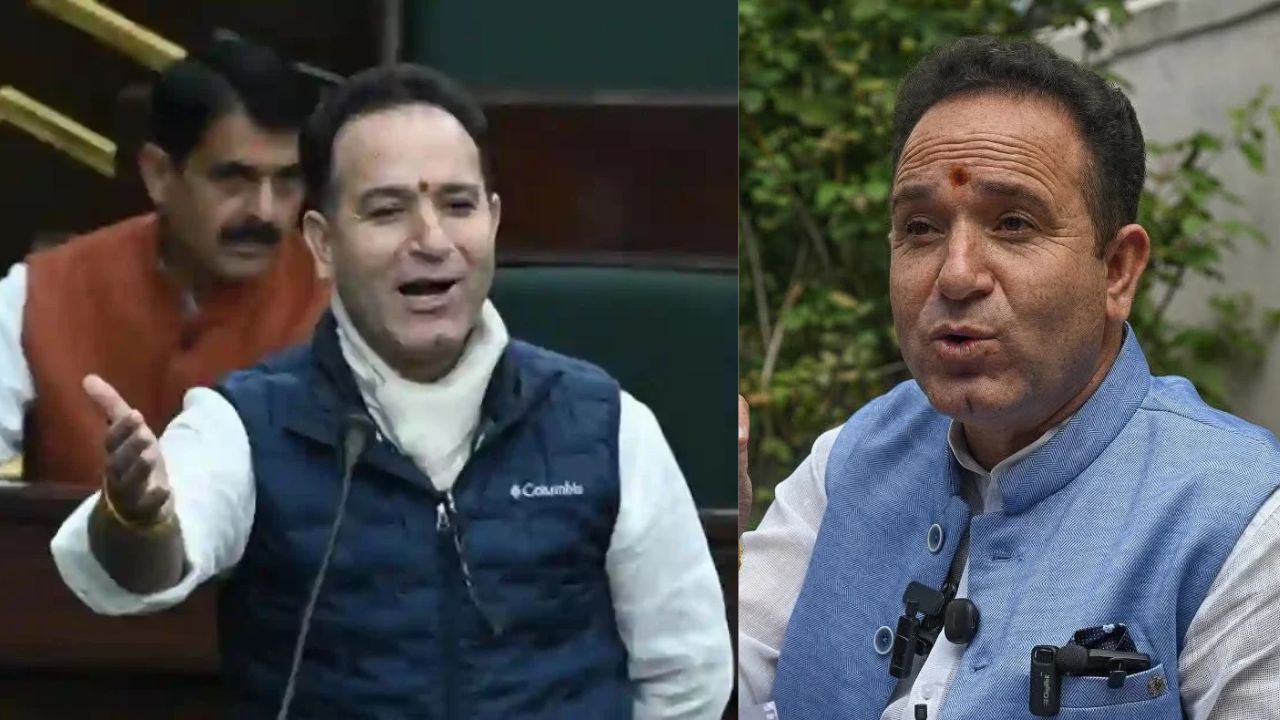
Meanwhile, BJP Leader of Opposition Sunil Sharma has also indicated that the Opposition will use the Assembly platform to question the government on issues related to administration and public grievances.
The political focus is expected to remain on government performance, policy decisions and accountability.
The Assembly session holds significance as elected representatives debate issues directly linked to citizens’ daily lives.
Employment generation, infrastructure development, public services and implementation of government schemes are expected to remain key themes throughout the proceedings. The debates may also shape the political narrative around governance and development priorities in Jammu and Kashmir.
As the session continues, legislators are expected to discuss policy decisions, raise questions on government functioning and examine important reports and bills.
The government will face questions on various public concerns, while Opposition parties are likely to push for answers on issues affecting different sections of society.
The outcome of legislative discussions, committee reports and policy debates during the 10-day session will be closely watched by citizens, political observers and stakeholders across Jammu and Kashmir.