 English
 English

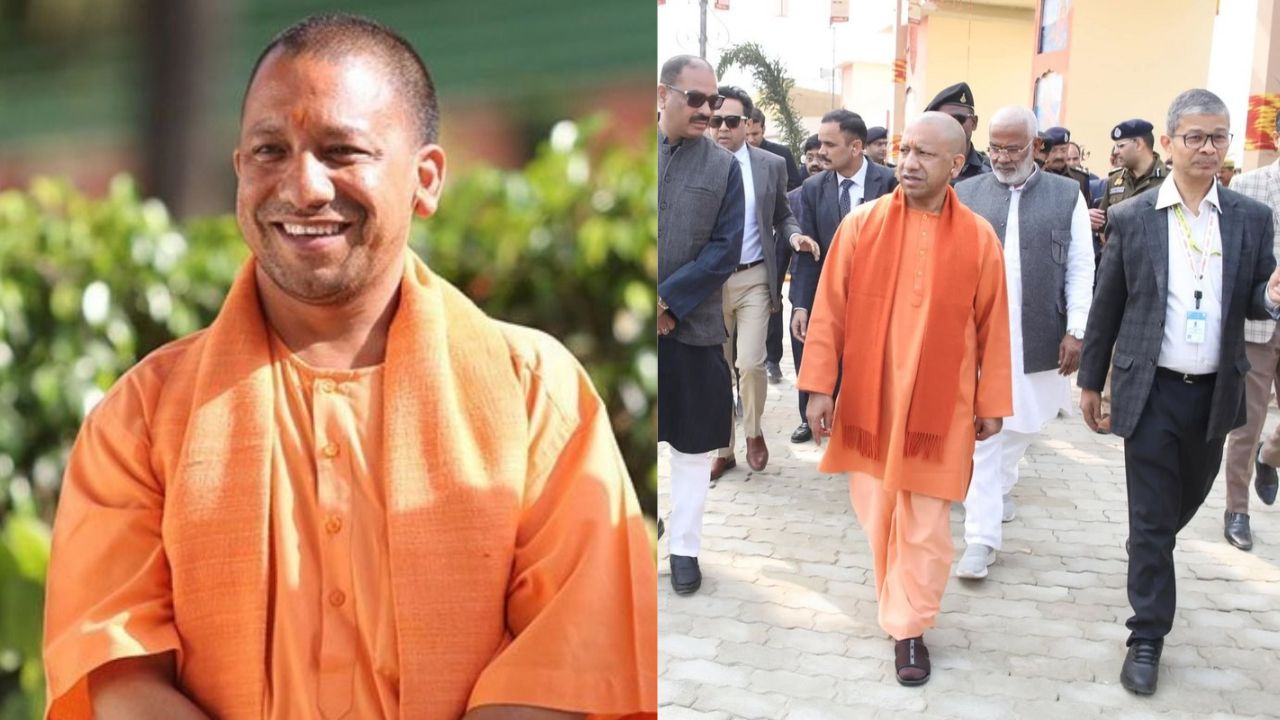
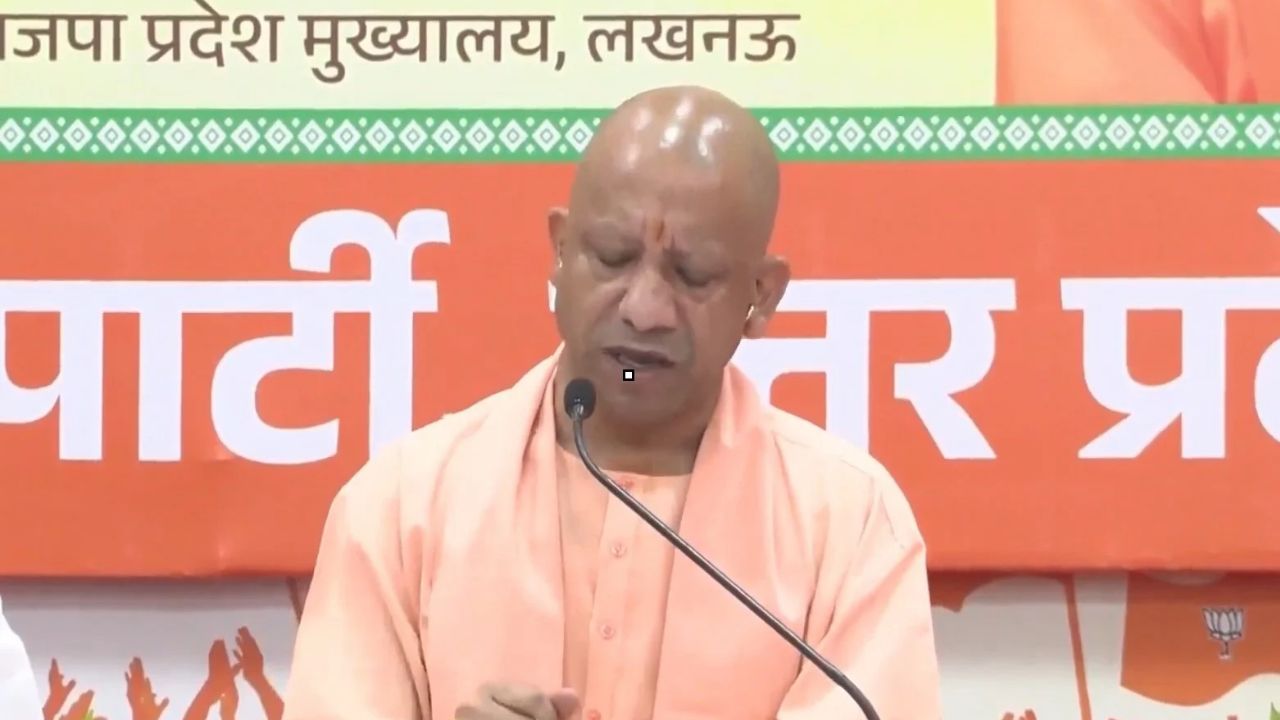
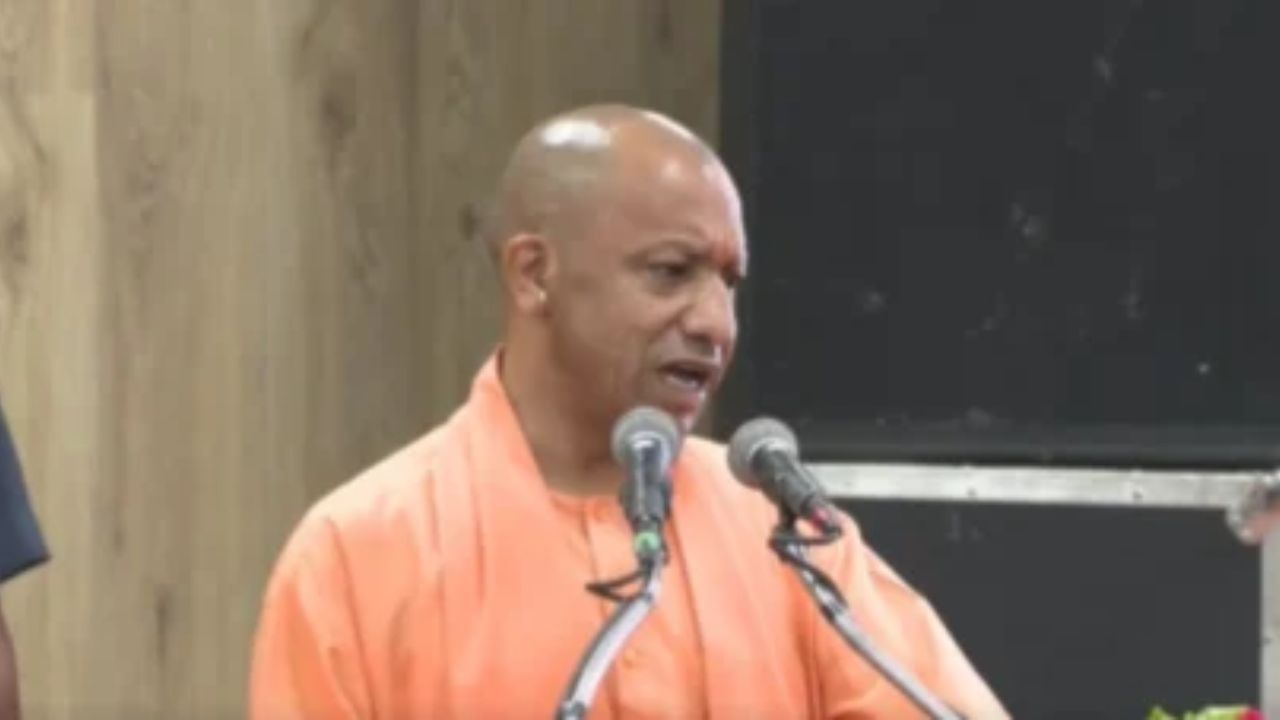
Yogi Adityanath And Bhupender Yadav Review NCR Pollution Control Strategy. (Img: Dynamite News)
Lucknow: With Delhi NCR heading towards another challenging pollution season, the Uttar Pradesh government has unveiled a comprehensive strategy to improve air quality across its NCR-linked districts.
A high-level meeting between Uttar Pradesh Chief Minister Yogi Adityanath and Union Environment, Forest and Climate Change Minister Bhupender Yadav reviewed multiple measures to control pollution levels, including vehicle emissions, industrial pollution, dust management and waste disposal systems.
The meeting focused on eight NCR districts of Uttar Pradesh, including Noida, Ghaziabad, Hapur, Meerut and Bulandshahr, where authorities are preparing stricter measures ahead of the winter smog period.
The latest action plan comes at a time when air pollution remains one of the biggest environmental challenges for the Delhi NCR region, with multiple states working together to improve air quality management.
During the meeting held at the Chief Minister’s residence in Lucknow, officials discussed long-term and immediate steps required to reduce pollution levels in Uttar Pradesh’s NCR areas.
The discussions covered transportation emissions, industrial pollution control, construction dust, solid waste management and implementation of environmental regulations.
The government’s focus is on reducing major pollution sources through better monitoring, stricter compliance and coordination between different departments.
Officials also reviewed steps under the National Clean Air Programme (NCAP) and measures being taken by local authorities to improve air quality indicators.
Vehicle emissions emerged as one of the major topics during the discussion. Union Minister Bhupender Yadav reviewed measures related to old vehicles, pollution under control certificates, electric vehicle policy and the expansion of electric buses.
The meeting also examined the role of transport-related emissions in worsening air quality across NCR cities. Authorities discussed ways to encourage cleaner mobility solutions and reduce dependence on high-emission vehicles through policy interventions.
The focus on electric vehicles is part of a broader strategy aimed at creating sustainable urban transportation systems in rapidly growing NCR regions.
Dust pollution, especially from construction activities and road movement, was another key issue discussed during the meeting. Officials reviewed plans for mechanised cleaning, deep cleaning operations and better dust control mechanisms across affected areas.
The government also discussed stronger implementation of Construction and Demolition Waste Management Rules to prevent pollution caused by building activities.
Departments and stakeholders will be engaged through consultation programmes to improve compliance and ensure effective implementation of pollution control measures.
The meeting also reviewed industrial pollution management in Uttar Pradesh. Officials informed that around 80 percent of industries have installed Online Continuous Emission Monitoring Systems (OCEMS) and air pollution control devices.
The remaining industries are also being brought under the monitoring framework to ensure better compliance with environmental norms. The use of technology-based monitoring systems is expected to improve transparency and help authorities track industrial emissions more effectively.
During the meeting, Bhupender Yadav highlighted Uttar Pradesh’s performance in environmental initiatives. He said Lucknow secured the top position among 130 cities surveyed under the clean air assessment conducted as part of the National Clean Air Programme.
Other Uttar Pradesh cities, including Agra, also performed well in the survey. The Union Minister also congratulated Chief Minister Yogi Adityanath for exceeding plantation targets under the Ek Ped Maa Ke Naam campaign. The initiative has been part of wider efforts to increase green cover and strengthen environmental conservation.
Bhupender Yadav said pollution control efforts in Delhi NCR require coordination between neighbouring states. Before meeting Chief Minister Yogi Adityanath, the Union Minister had discussions with Haryana Chief Minister Nayab Singh Saini and Delhi Chief Minister Rekha Gupta.
Further meetings with Rajasthan and Punjab governments are also planned to strengthen regional coordination. The Centre is also working with state agriculture departments on crop residue management to address the issue of stubble burning during the winter months.
The Union Environment Ministry said more than 30 meetings have been conducted since December to improve pollution control measures in the NCR region. Authorities have also held discussions with local bodies and representatives from 63 smaller cities and directed them to appoint nodal officers for pollution management.
Officials stressed that public participation and awareness campaigns will play an important role in controlling pollution levels. Environmental experts have repeatedly highlighted that improving NCR air quality requires collective action from government agencies, industries, transport operators and citizens.
The Uttar Pradesh government is expected to move forward with implementation of the revised pollution control strategy across NCR districts.
The upcoming winter months will be a major test for these measures as pollution levels traditionally rise due to weather conditions, reduced wind movement, vehicle emissions, construction activity and other factors.
With stricter monitoring, cleaner transport initiatives and improved waste management systems, authorities aim to reduce pollution pressure and improve air quality across Uttar Pradesh’s NCR region.