 English
 English

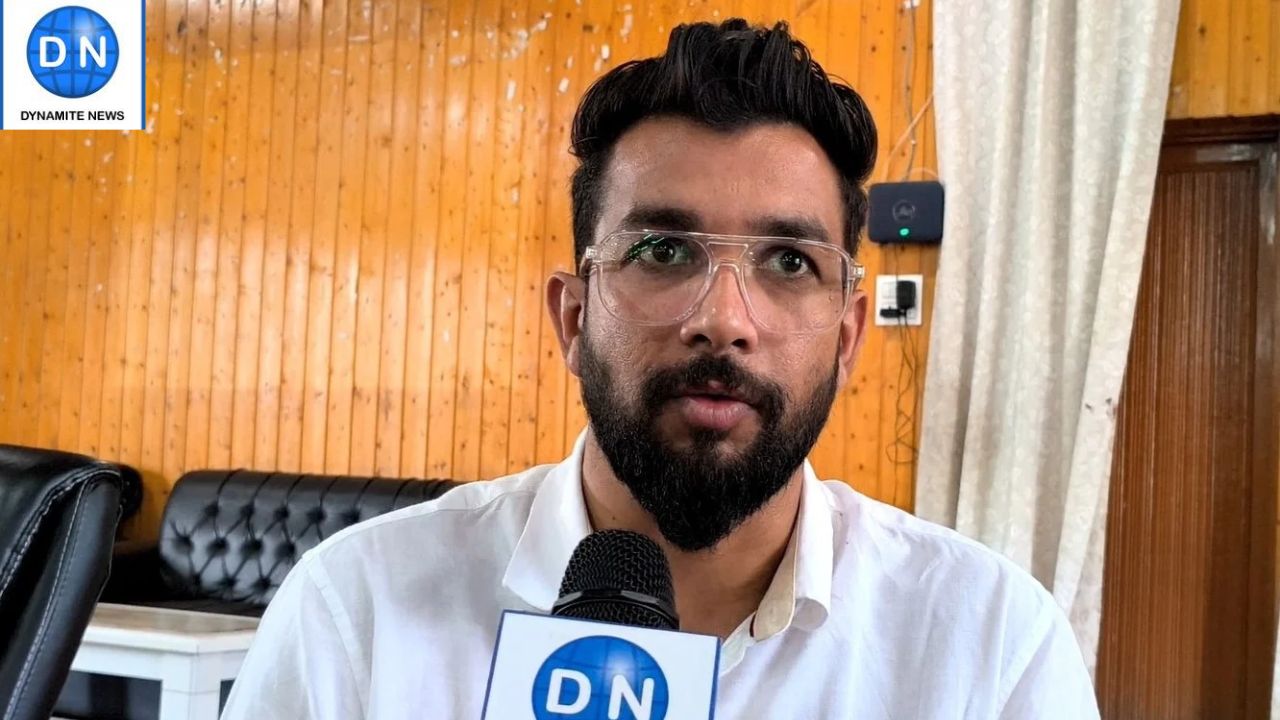
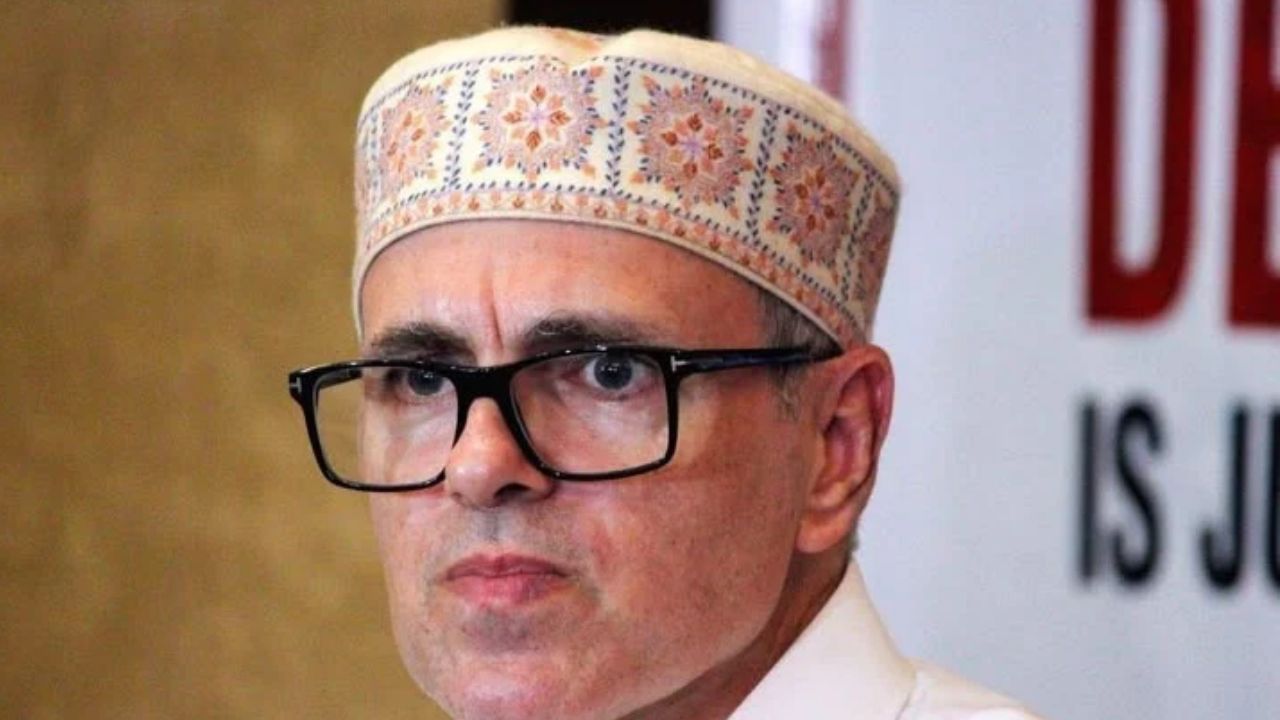
Altaf Bukhari’s reservation remark puts J&K jobs debate back in spotlight. (Img: Dynamite News)
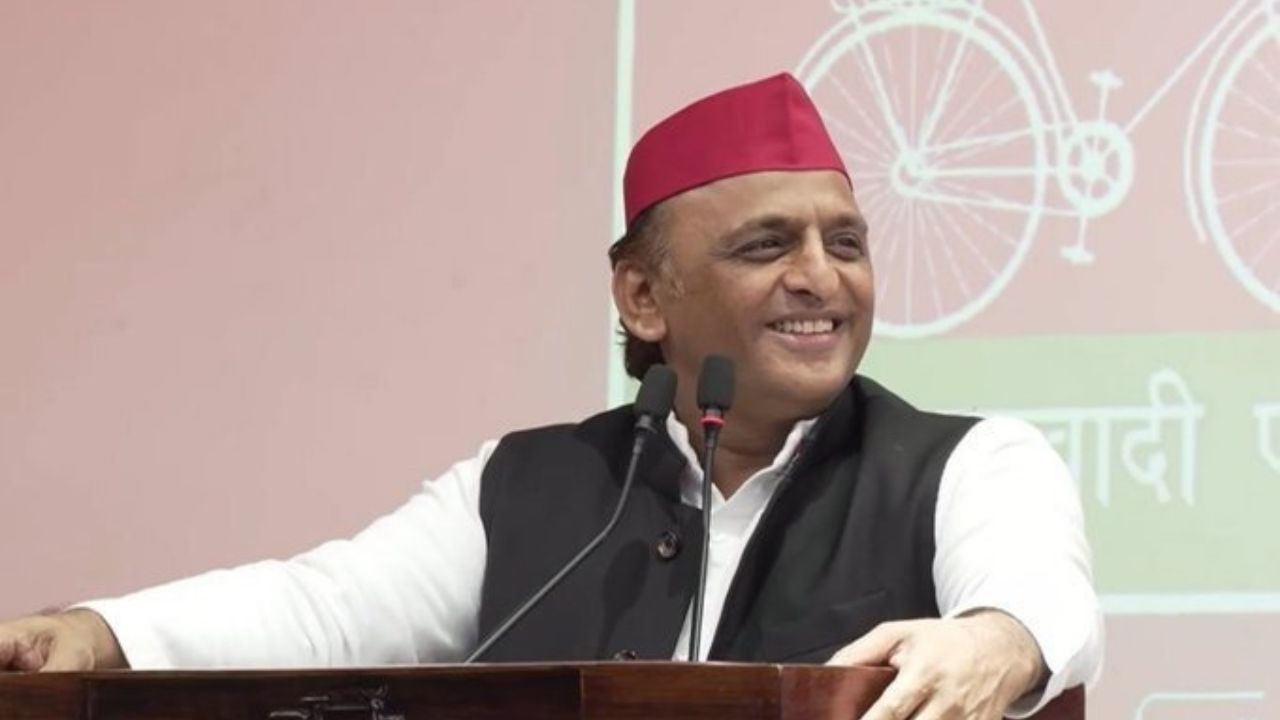
Srinagar: Jammu and Kashmir Apni Party president Syed Mohammad Altaf Bukhari has triggered a fresh political debate over the region’s reservation system after calling for a population-based approach in government job quotas.
Bukhari’s remarks came ahead of the upcoming autumn session of the Jammu and Kashmir Legislative Assembly, bringing the focus back on representation, employment opportunities and the distribution of government jobs in the Union Territory.
The reservation issue remains one of the most sensitive policy debates in Jammu and Kashmir, where questions around social justice, regional representation and opportunities for open merit candidates continue to generate political discussion.
Bukhari said reservation benefits should be linked with population share and argued that every section should receive opportunities according to its demographic representation.
The Apni Party chief questioned the current structure of government job distribution, raising concerns over what he described as an imbalance between population share and employment opportunities.
His remarks have added momentum to the ongoing debate over whether the existing reservation framework adequately reflects the aspirations of different communities and regions in Jammu and Kashmir.
The timing of Bukhari’s statement has increased its political significance as Jammu and Kashmir prepares for legislative discussions on public issues.
The Assembly session is expected to witness debates on governance, employment, development and issues directly connected with the daily lives of residents.
With government jobs remaining a major source of employment in Jammu and Kashmir, reservation policies often become a key political issue among students, job aspirants and various social groups.
Government employment plays an important role in Jammu and Kashmir due to limited private-sector opportunities and high competition among young job seekers.
Recruitment policies, reservation percentages and eligibility rules directly affect thousands of candidates appearing for government examinations and selection processes.
The debate involves multiple factors, including constitutional provisions, social representation, backwardness criteria, regional balance and equal access to public employment.
Bukhari’s demand for population-based reservation has opened discussions around the idea of linking quotas with demographic representation.
Supporters of such an approach argue that population share should be reflected in access to opportunities, while discussions around reservation policies also involve broader constitutional and social considerations.
Different political groups in Jammu and Kashmir have previously expressed varying views on reservation, government employment and representation, making the issue a continuing subject of public debate.
Bukhari said elected representatives should raise issues that directly impact people’s lives, livelihood opportunities and future prospects. He indicated that employment-related concerns and reservation policy would remain important issues for people across Jammu and Kashmir.
The statement has placed additional focus on how political parties address youth aspirations and government job-related challenges in the Union Territory. With the Jammu and Kashmir Assembly session approaching, reservation policy and employment opportunities are expected to remain key discussion points.
The response from other political parties, lawmakers and government authorities will shape the next phase of the debate. For thousands of job aspirants in Jammu and Kashmir, any future discussion or policy change related to reservation could have a direct impact on recruitment opportunities and career planning.