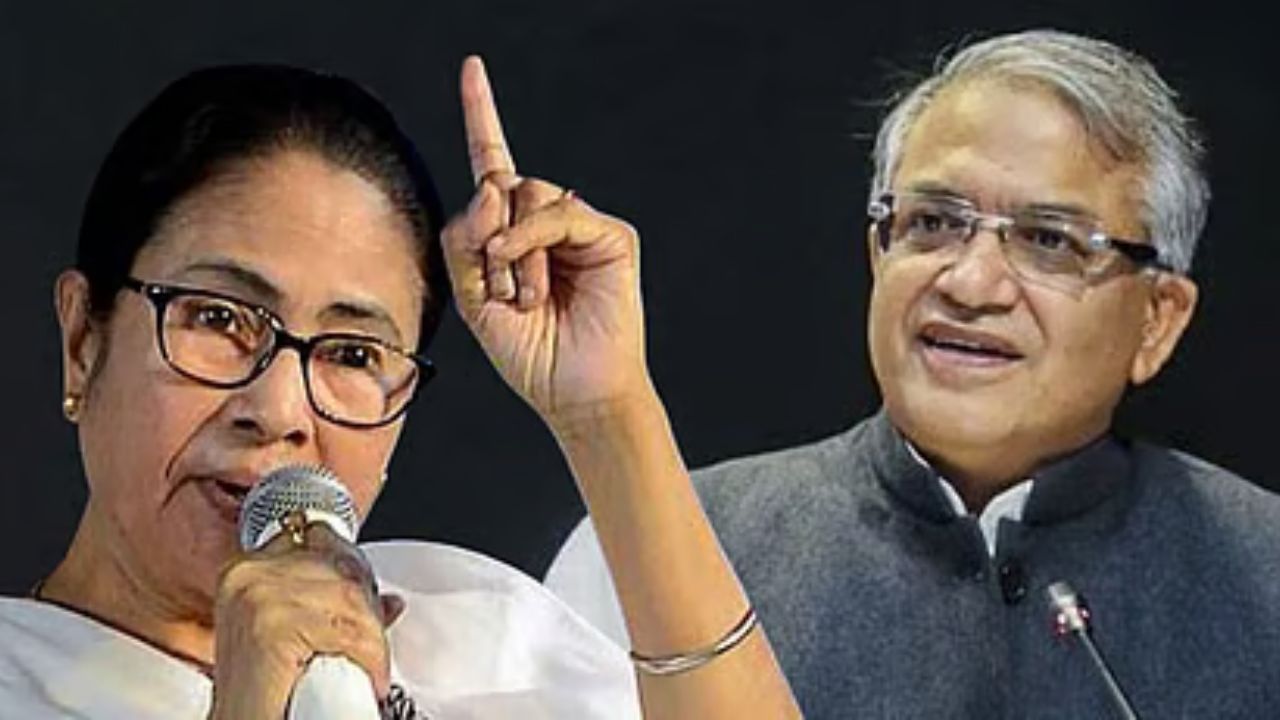
Mamata Banerjee Meets Chief Election Commissioner in Delhi
New Delhi: West Bengal Chief Minister and Trinamool Congress (TMC) chief Mamata Banerjee met Chief Election Commissioner (CEC) Gyanesh Kumar in New Delhi on Monday, February 2, 2026. The meeting came amid growing political controversy over the ongoing Special Intensive Revision (SIR) of electoral rolls in West Bengal.
Mamata Banerjee was accompanied by senior TMC leaders, including party MP Abhishek Banerjee and MP Kalyan Banerjee, who is also a practicing advocate.
Adding weight to her protest, Mamata Banerjee brought nearly 50 families from West Bengal to the national capital. These families, described as “SIR-affected,” claim their names were wrongly deleted or flagged during the voter list revision process. According to party sources, the families were brought to directly present their grievances before the Election Commission and seek immediate redress.
Before meeting the CEC, Mamata Banerjee addressed the media and alleged that people from Bengal who came to raise their issues were being “threatened.” She also questioned the heavy deployment of police outside Banga Bhawan, the West Bengal government’s official guest house in New Delhi. According to her, the strong security presence was unnecessary and aimed at intimidating those participating in the protest.
After the meeting with CEC Gyanesh Kumar, Mamata Banerjee launched a scathing attack on the Election Commission. She claimed that she had “never seen an Election Commission so arrogant and dishonest.” The Chief Minister alleged that names of genuine voters in West Bengal were being removed from the electoral rolls at the behest of the Bharatiya Janata Party (BJP), raising serious questions about the fairness and neutrality of the poll body.
In a symbolic act of protest, Mamata Banerjee wore black clothes during her demonstration against the Election Commission. The black attire was meant to signify her opposition and dissent against what she termed as an undemocratic process that could disenfranchise voters ahead of future elections in the state.
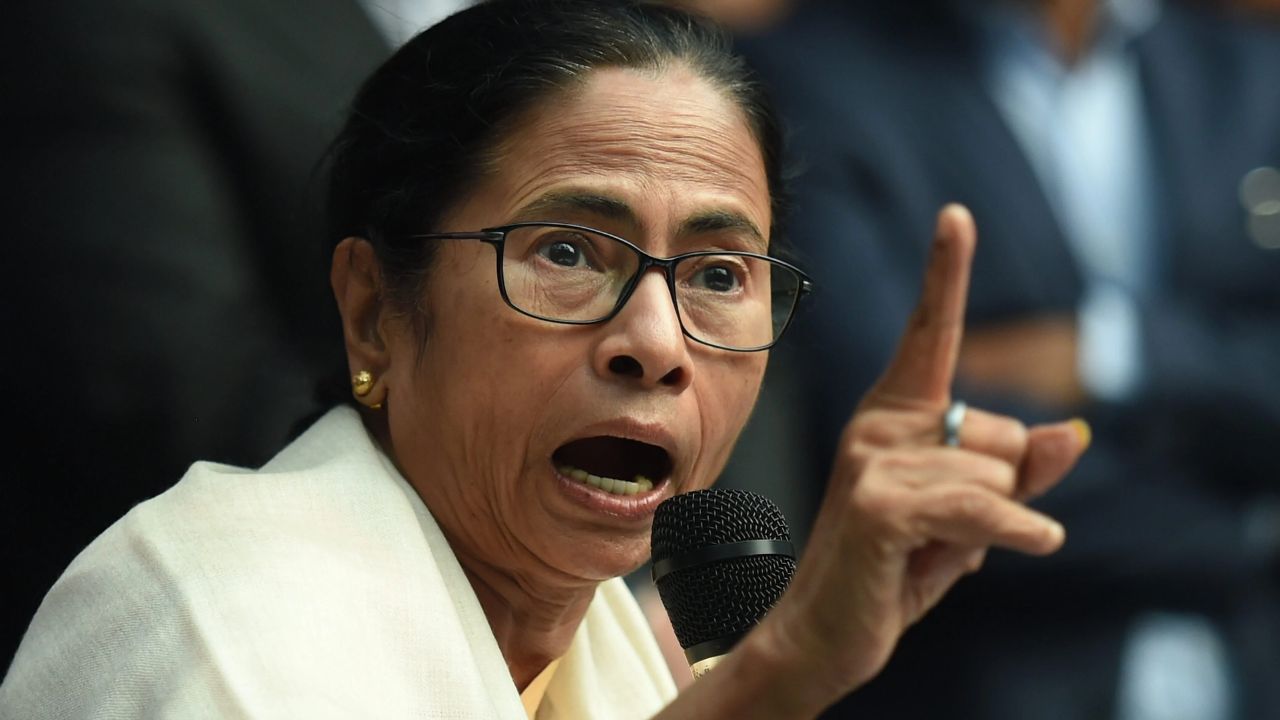
Mamata Banerjee alleges discrepancies in voter roll deletions
The SIR exercise has become a major political flashpoint in West Bengal, with the ruling TMC accusing the Election Commission of acting under political pressure, while the opposition has defended the revision as a routine and necessary exercise. Mamata Banerjee’s decision to take the issue directly to Delhi highlights the seriousness of the dispute and signals escalating political tensions.
Mamata Banerjee stole ED officer's phone during I-PAC raid, ED tells Supreme Court
Overall, the meeting and protest underline a deepening confrontation between the West Bengal government and the Election Commission. With elections approaching, the outcome of this dispute could have significant implications for voter confidence, electoral transparency, and the broader political landscape in the state.


