 English
 English

President Droupadi Murmu gives nod to VB-G RAM G Bill
New Delhi: President Droupadi Murmu has given her assent to the Viksit Bharat- Guarantee for Rozgar and Ajeevika Mission (Gramin) (VB-G RAM G) Bill, 2025, officially replacing the two-decade-old Mahatma Gandhi National Rural Employment Guarantee Act (MGNREGA).
The new legislation marks a major transformation in India’s rural employment framework, aligning with the government’s Viksit Bharat 2047 vision.
Under the new law, the statutory employment guarantee for rural households has been increased from 100 days to 125 days per financial year. The government has highlighted this as an expansion of benefits, noting that the earlier 100-day provision often acted as a ceiling rather than a minimum guarantee for workers.
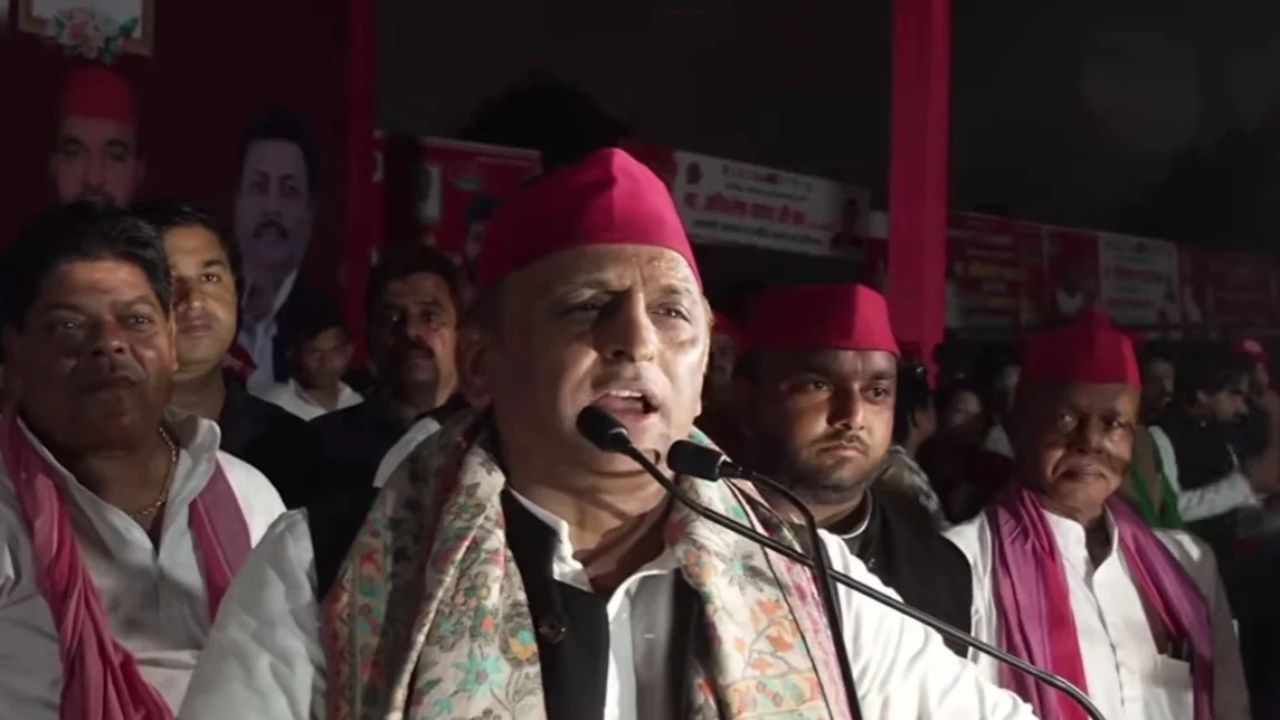
Opposition stages midnight protest against VB G Ram G Bill 2025 outside Parliament
A key structural change in VB-G RAM G is the shift in funding responsibility. While MGNREGA wages were fully funded by the Centre, the new framework introduces a 60:40 Centre-State cost-sharing model.
This replaces the previous centralised funding patterns- 90:10 for northeastern and Himalayan states and 75:25 for other states. The government has stated that this approach will enhance state ownership and strengthen cooperative federalism in program delivery.
For the first time, the law allows employment to be paused for up to 60 days during peak sowing and harvesting periods. The move is intended to ensure sufficient availability of farm labour and address farmer concerns regarding labour shortages during critical agricultural cycles.
The VB-G RAM G Act narrows the scope of permissible works to four specific areas: water security, core rural infrastructure, livelihood-related assets, and climate resilience. Officials argue that this focus will improve the quality and longevity of assets created under the program.
Despite government assurances that the legislation aligns with long-term developmental goals, opposition leaders have expressed strong objections. Congress leaders Rahul Gandhi and Priyanka Gandhi criticised the omission of Mahatma Gandhi’s name, claiming that the new law dilutes MGNREGA’s rights-based core, centralises decision-making, and reduces workers’ entitlements.
The VB-G RAM G Bill now sets the framework for India’s rural employment strategy, promising expanded benefits while also sparking debate over its implications for workers’ rights and federal-state responsibilities.