English
 English

Asiya Iqbal urges the Jammu and Kashmir administration to prioritise disability rights, social inclusion and equal opportunities. (Img: X)
Srinagar: Asiya Iqbal, social worker, educator and president of the Jammu and Kashmir Employees Social Welfare Association (JKESWA), has called on the Jammu and Kashmir administration to prioritise the long-pending demands of persons with disabilities, stressing that equal rights, accessibility and dignity must form the foundation of an inclusive society.
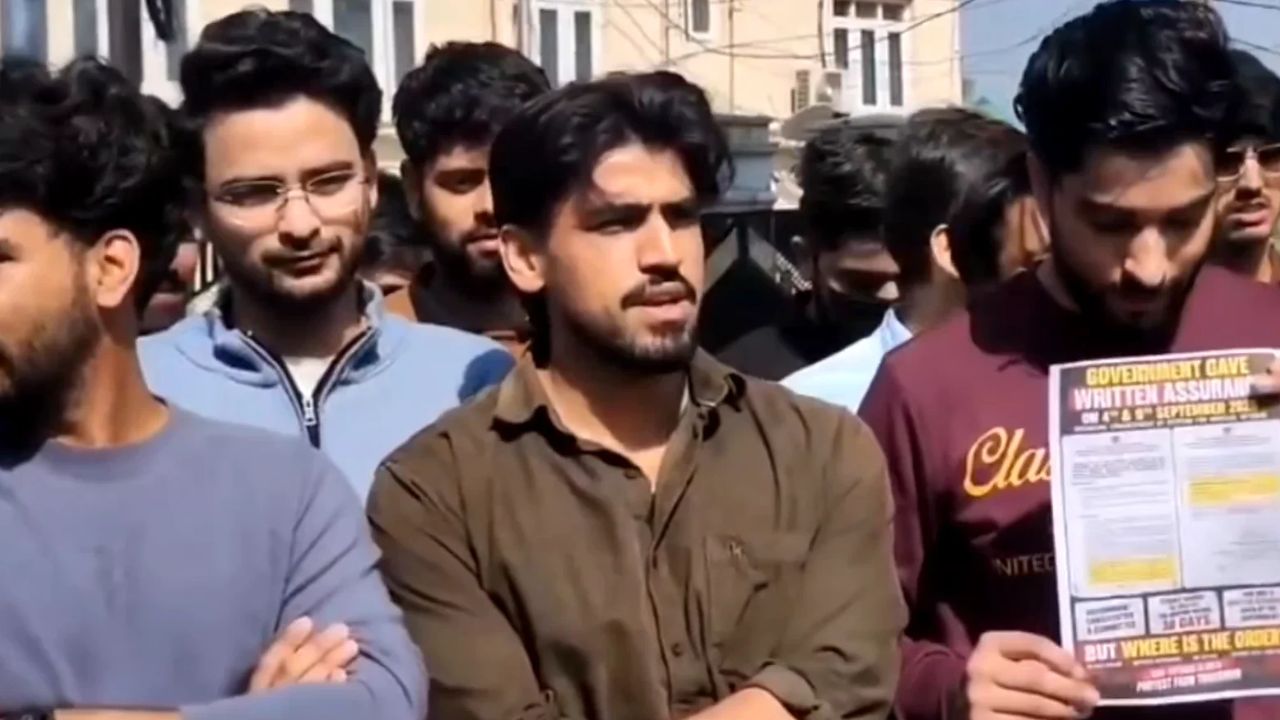
Expressing solidarity with the Jammu and Kashmir Handicapped Association following its protest in Srinagar, Iqbal urged the authorities to take concrete policy measures to address the community’s concerns. She emphasised that the demands raised by persons with disabilities should not be sidelined, as they concern fundamental rights, equal treatment and the opportunity to live independently.
Her appeal comes amid renewed calls for stronger disability welfare measures, improved public infrastructure and effective implementation of laws intended to safeguard the rights of persons with disabilities.
Iqbal stressed that disability should never become a barrier to education, employment, healthcare, adequate living standards or participation in public life. She said persons with disabilities have aspirations, ambitions and the right to make independent decisions about their lives.
According to her, an inclusive society must move beyond a welfare-centric approach and ensure that persons with disabilities can exercise their rights, access essential services and participate in social and economic activities on an equal footing with others.
She maintained that the community’s concerns deserved serious consideration from the government and relevant departments, particularly where administrative delays or inadequate facilities may restrict access to essential opportunities.
Highlighting the demands raised by the Jammu and Kashmir Handicapped Association, Iqbal urged the administration to examine the need for an enhancement in disability pensions, the appointment of a Disability Commissioner, improved employment opportunities and accessible infrastructure.
She also called for the effective implementation of disability rights legislation and welfare provisions, emphasising the importance of accountability in ensuring that eligible beneficiaries receive the support and services intended for them.
An increase in disability pensions, she said, would be an important measure for individuals who depend on financial assistance to meet their daily requirements. However, she stressed that financial support alone would not resolve the broader challenges faced by the community.
Employment generation, barrier-free public spaces, access to education and healthcare, and the removal of discriminatory practices must also remain central to the government’s approach.
Iqbal asserted that persons with disabilities should not be treated as second-class citizens or viewed solely through the lens of their physical limitations. She stressed that individuals with disabilities possess capabilities across a range of professional, educational and social fields and should receive the encouragement and opportunities necessary to realise their potential. She called for a shift in public attitudes, urging institutions and communities to recognise the abilities, aspirations and individual choices of persons with disabilities.
According to Iqbal, meaningful inclusion requires more than expressions of sympathy. It demands practical support, equal access to opportunities and the removal of barriers that prevent individuals from pursuing their chosen careers, education and lifestyles. She also underscored the importance of creating an environment in which persons with disabilities can participate in decision-making processes and exercise greater control over their lives.
Calling for collective action, Iqbal urged citizens, institutions and government agencies to work together to build a more accessible and equitable society. She said solidarity must translate into tangible assistance and sustained efforts to ensure that persons with disabilities can study, work and participate in community activities without discrimination.
She further emphasised that members of the disability community must be able to approach the relevant authorities, present their grievances and participate meaningfully in decisions affecting their lives.
The authorities, she said, should give due consideration to the issues raised by the Jammu and Kashmir Handicapped Association and establish an environment in which concerns can be heard and addressed through appropriate administrative mechanisms.
Iqbal reiterated that the community was seeking justice, equal citizenship and a dignified life rather than charity. She also reaffirmed JKESWA’s solidarity with the association and called for timely action on its genuine demands.
Concluding her appeal, Iqbal said Jammu and Kashmir could not be considered fully progressive or inclusive unless persons with disabilities received equal rights, opportunities and access to essential facilities. She stressed that disability inclusion must be reflected in employment policies, educational institutions, healthcare delivery, public infrastructure and broader social participation.
Her remarks place the focus on the need to bridge the gap between disability rights provisions and their implementation on the ground. Ensuring accessible services, equitable employment opportunities and effective grievance redressal would be critical to enabling persons with disabilities to participate fully in society.
Iqbal called on the administration to engage with representatives of the disability community and pursue practical measures to address their concerns, stressing that a just society must protect the dignity and rights of every citizen.