English
 English

Centre rebrands PMO as Seva Teerth (Image Source: Internet)
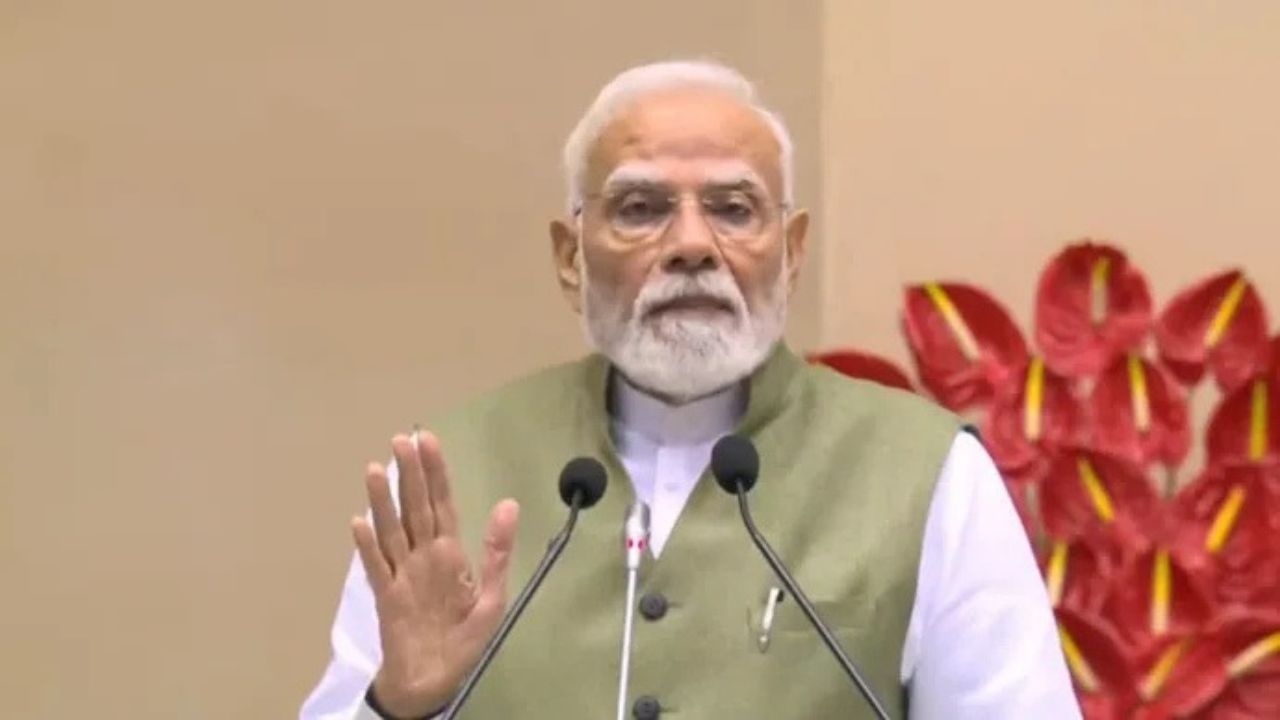
New Delhi: India’s Prime Minister announced that the Prime Minister’s Office (PMO), along with several central ministries, has been given a new name and address. The PMO will now be known as “Seva Teerth,” a name that reflects the spirit of service. The new complex houses multiple ministries, and the Prime Minister delivered his first address from this newly designated location.
In his speech, he described the move as one taken in national interest. He emphasized that the building would symbolize the idea that service is at the core of India’s identity and values. According to him, the purpose of Seva Teerth is to fulfill the aspirations of the people and strengthen the culture of public service within governance.
The Prime Minister stated that the renaming and restructuring are part of a broader campaign to move away from what he called a “colonial mindset.” He argued that achieving the vision of a developed India requires a psychological and institutional shift away from symbols and systems rooted in colonial rule.
PM Modi inaugurates Seva Teerth as new office address in Delhi; Marking new administrative era
He pointed out that after Independence, many key decisions for the nation were taken from iconic buildings such as North Block and South Block. However, he noted that these structures were originally built during British rule and symbolized imperial authority.
He recalled that when these buildings were inaugurated, the then Viceroy described them as reflecting the will of the British monarch. Their elevated location on Raisina Hills was deliberately chosen to signify dominance and superiority.
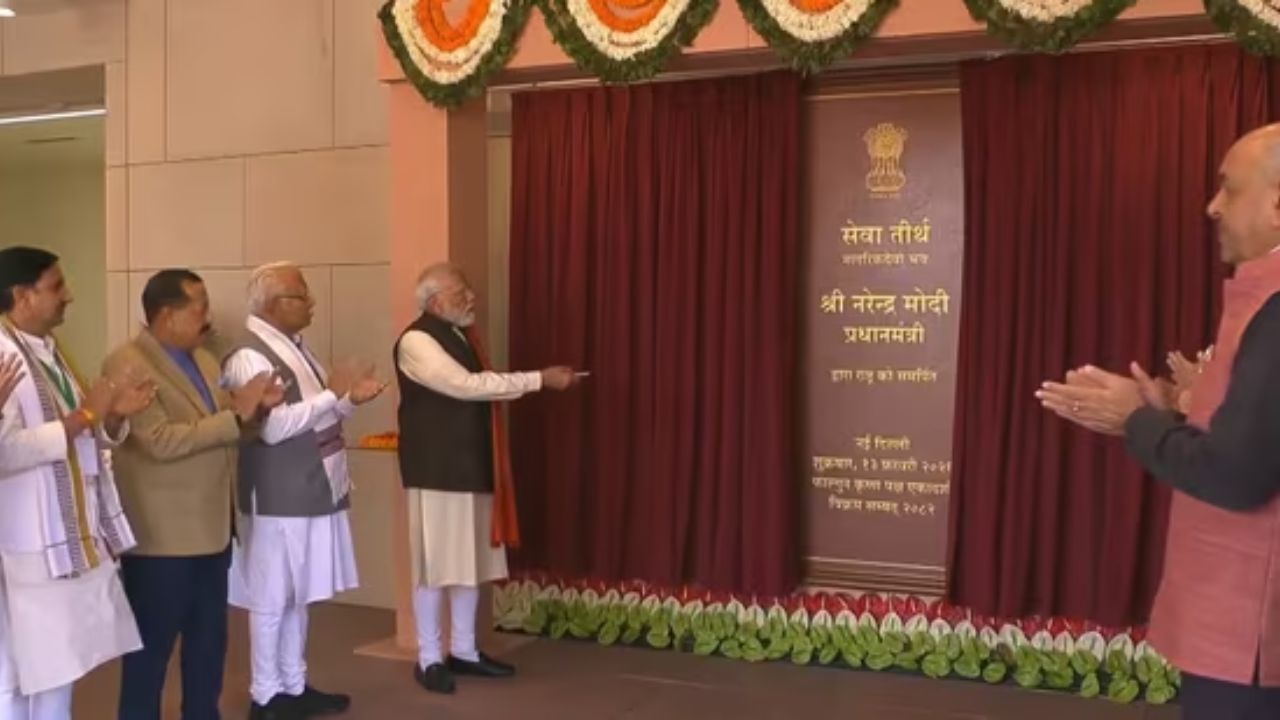
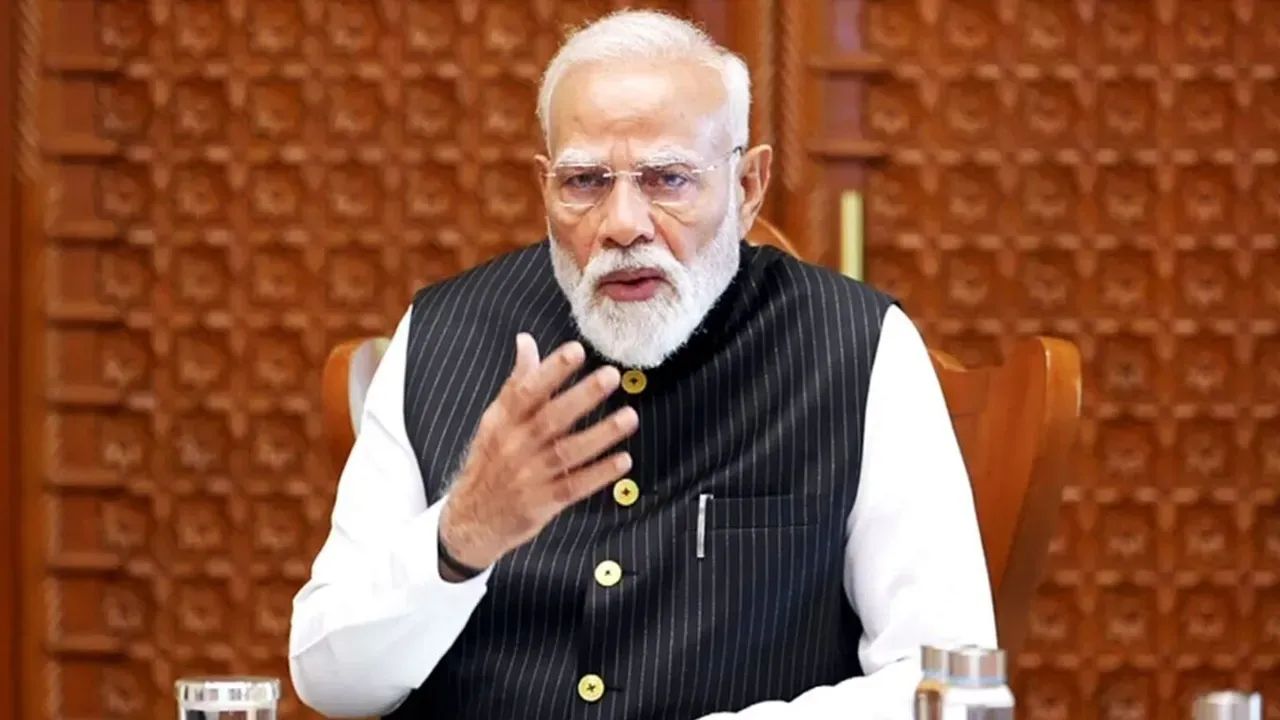
Narendra Modi Launches Modern Governance Complex in National Capital
In contrast, the Prime Minister said that Seva Teerth is designed to be more connected to the ground and to the people. Unlike colonial-era structures built to project power, he described the new complex as one meant to serve citizens and reflect democratic values. He added that decisions made from Seva Teerth would represent the expectations and aspirations of 1.4 billion Indians, rather than the authority of a ruler.
He also mentioned “Kartavya Bhavan” as part of this new vision, underscoring a shift toward duty and service as guiding principles of governance.
The Prime Minister highlighted practical benefits as well. He revealed that even decades after Independence, many government ministries were operating from over 50 different locations across Delhi. The government was spending more than ₹1,500 crore annually on rent for these buildings.
Additionally, thousands of employees were commuting daily between offices, leading to logistical costs and loss of productive time. With the consolidation of ministries under Seva Teerth and related complexes, he said, expenses would be reduced, time would be saved, and overall productivity would improve.