 English
 English

Supreme Court to hear Delhi protest-related petitions Sunday (Img: Dynamite News)
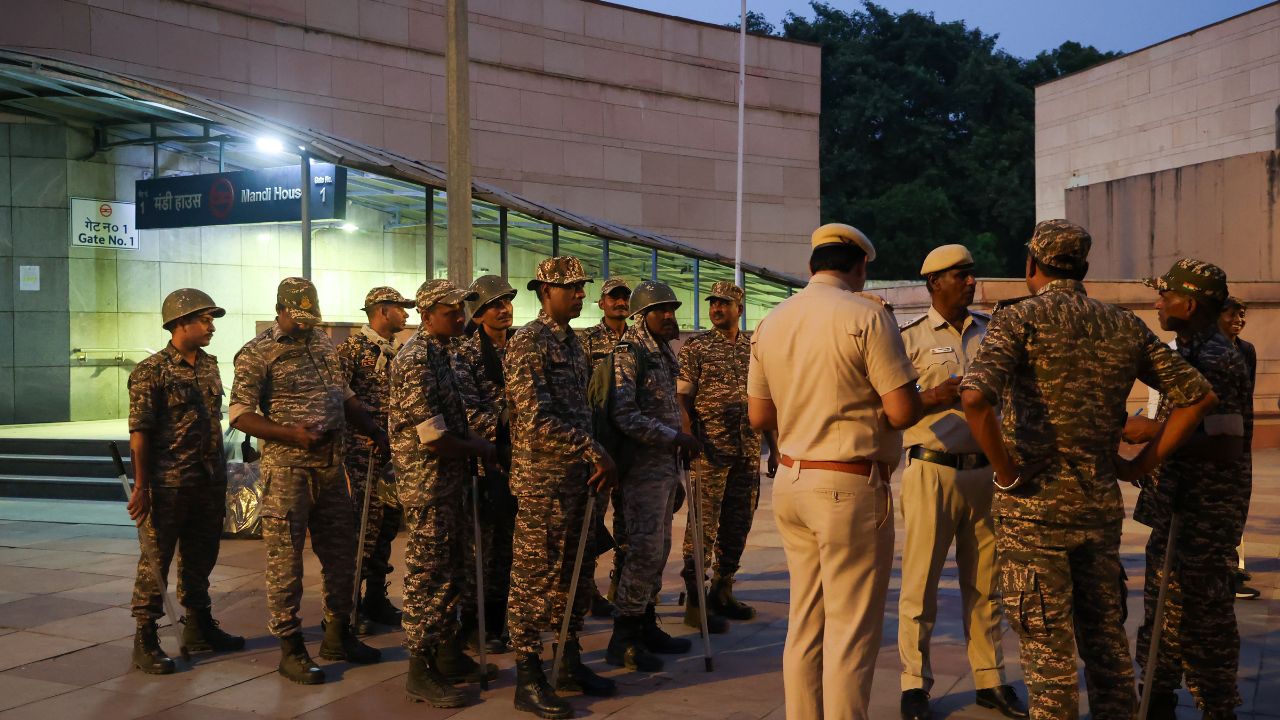
New Delhi: The Supreme Court will convene a special sitting on Sunday, October 11, to hear a contempt petition alleging that authorities violated its October 9 order by continuing to close Delhi Metro stations and cancel train services during protests against Chief Election Commissioner Gyanesh Kumar.
According to LiveLaw.in, a special bench comprising Justice Joymalya Bagchi and Justice V Mohana will hear the contempt matter alongside a habeas corpus petition challenging the detention of protesters during Saturday’s demonstrations in the national capital.
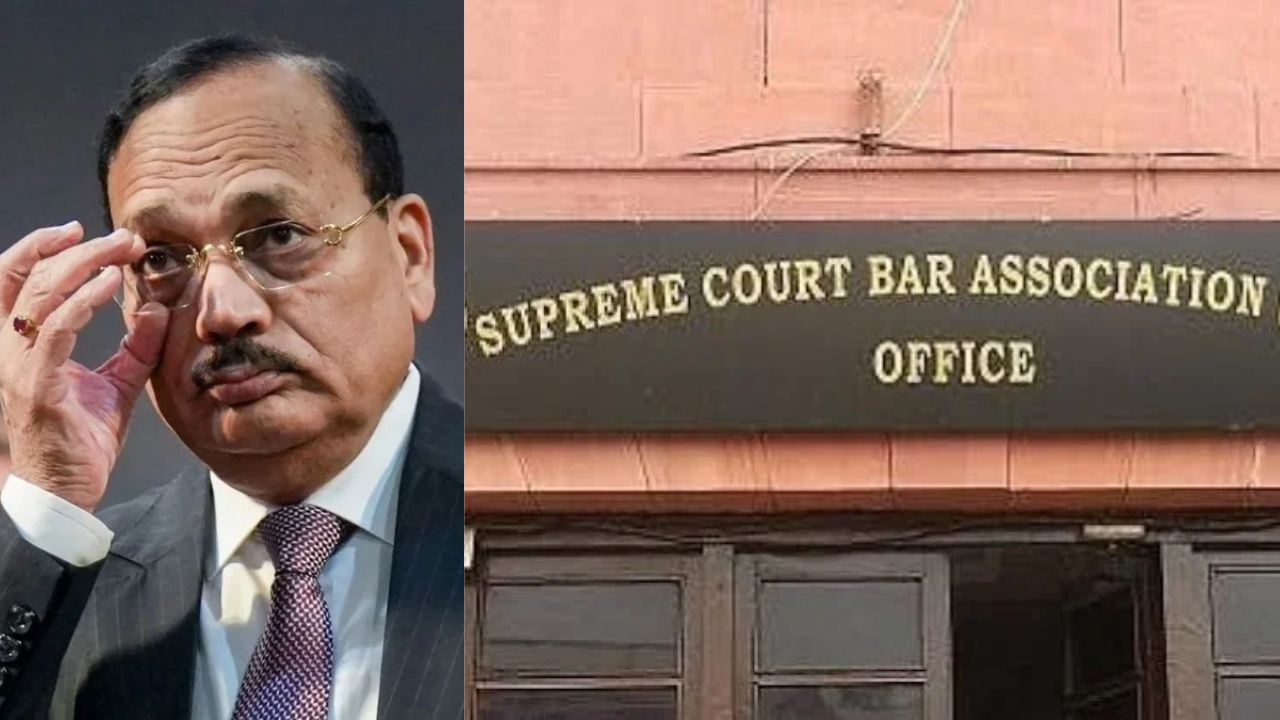
The contempt petition has been filed by advocate Shailendra Mani Tripathi, who has accused senior officials of wilfully disregarding the court’s directions. It names Union Home Secretary Govind Mohan, Delhi Police Commissioner Anurag Kumar and Delhi Metro Rail Corporation (DMRC) Chairperson D Thara.
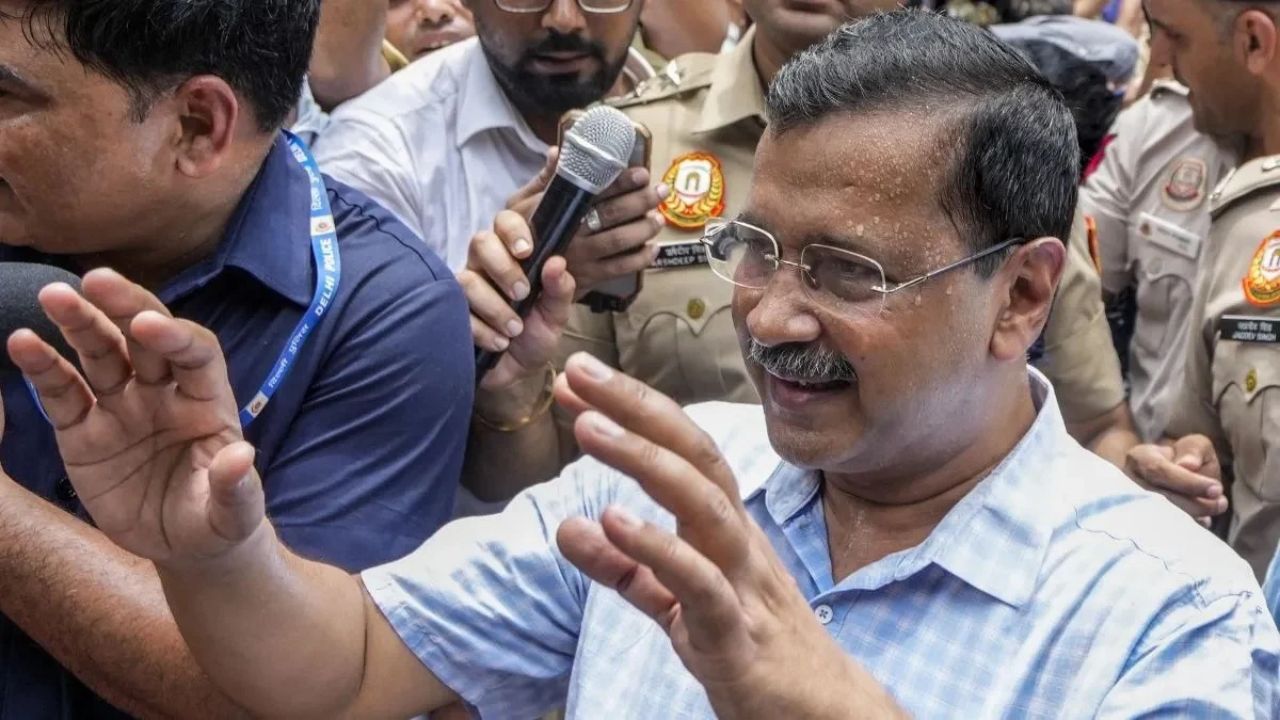
Separately, Trinamool Congress MP and senior advocate Menaka Guruswamy has filed a habeas corpus petition challenging the preventive detention of Opposition leaders, including four former Chief Ministers, according to Bar and Bench.
Guruswamy has argued that preventive detention cannot be used to curb the fundamental right to peaceful protest. She has also questioned the police action of taking protesters from the streets and detaining Opposition leaders at their residences.
Tripathi’s petition alleges that authorities continued restricting public transport despite the Supreme Court’s direction that Metro and railway services should not be completely suspended during the October 10 protests.
The plea claims that continued station closures and train cancellations caused considerable inconvenience to commuters and disrupted public life across Delhi. These allegations have yet to be examined by the court.
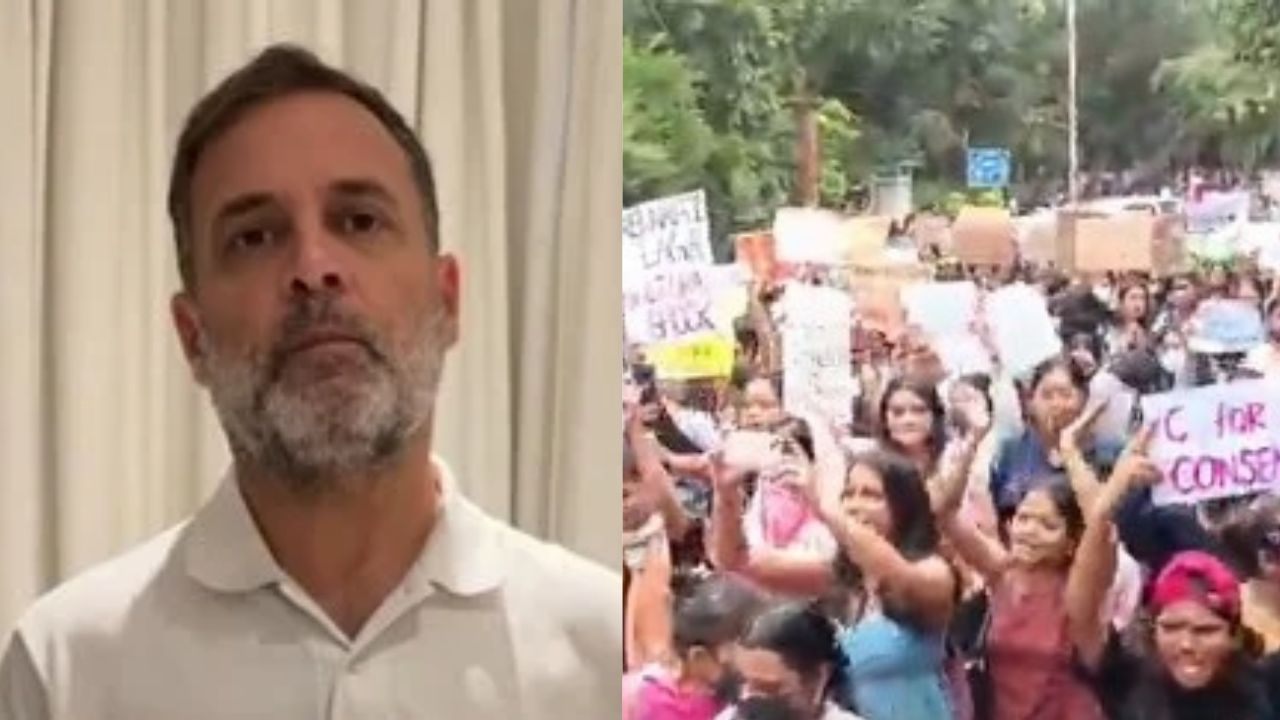
The contempt proceedings stem from the Supreme Court’s October 9 order in M A Baby v. Union of India, which concerned transport restrictions ahead of planned demonstrations by the Cockroach Janta Party (CJP) and Opposition parties against CEC Gyanesh Kumar.
During the hearing, the court considered Delhi Police communications directing the closure of 57 Metro stations and restrictions on Mail and Express trains arriving at New Delhi and Hazrat Nizamuddin railway stations. The DMRC subsequently reduced the number of stations scheduled for closure to 45.
The bench, comprising Chief Justice of India Surya Kant, Justice Joymalya Bagchi and Justice V Mohana, questioned the restrictions, observing that the notifications appeared to be “overreaching” because they imposed a complete ban on essential public transportation.
The court clarified that Metro services should not be prohibited outright. Instead, authorities could regulate Metro and railway operations in view of security concerns, provided the measures remained proportionate.
It also directed authorities to publicise transport arrangements, issue traffic advisories and consider suitable alternative protest locations equipped with basic amenities.
The special bench will consider whether the authorities complied with the October 9 directions and examine the allegations raised in both petitions. The hearing will determine how the proceedings move forward.