 English
 English

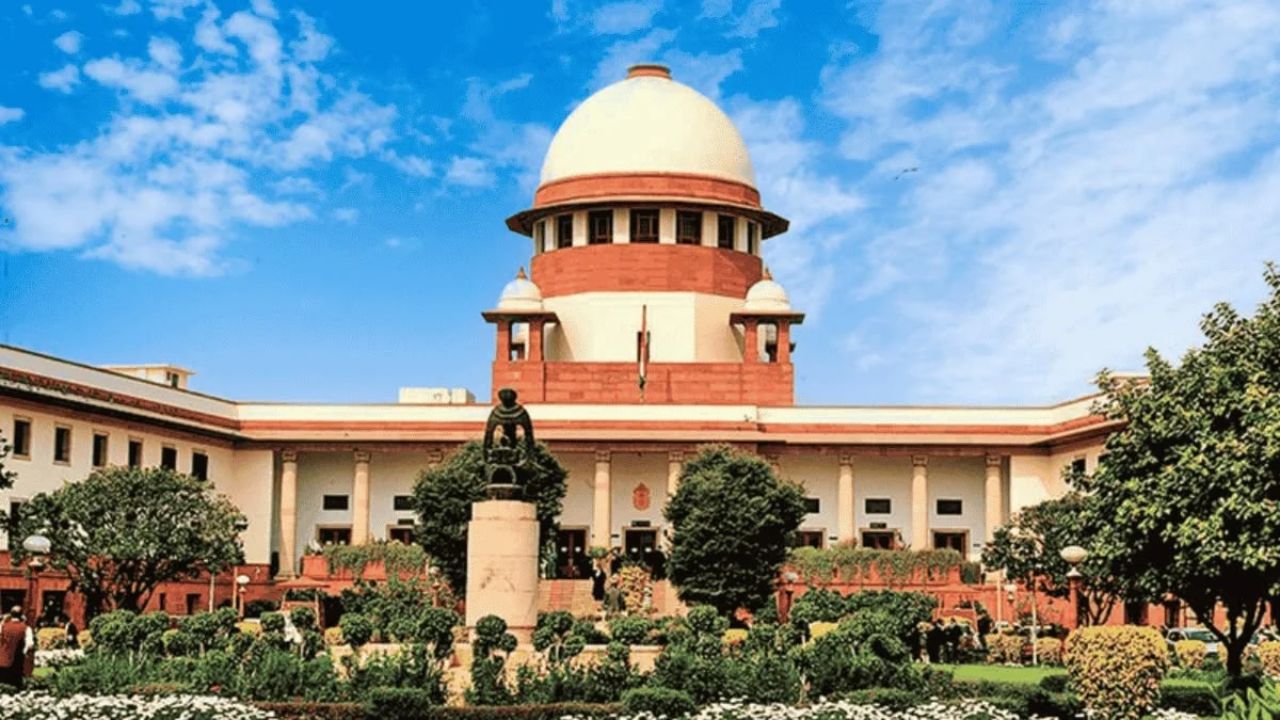
Supreme Court of India (Image Source: Internet)
New Delhi: The Supreme Court of India has stepped in to address concerns surrounding the Special Intensive Revision (SIR) of electoral rolls in Tamil Nadu.
The exercise, undertaken by the Election Commission of India (ECI), led to the exclusion of a large number of voters from the draft electoral roll due to what the Commission termed “logical discrepancies.” Fearing large-scale disenfranchisement, political leaders from Tamil Nadu approached the court seeking urgent intervention.
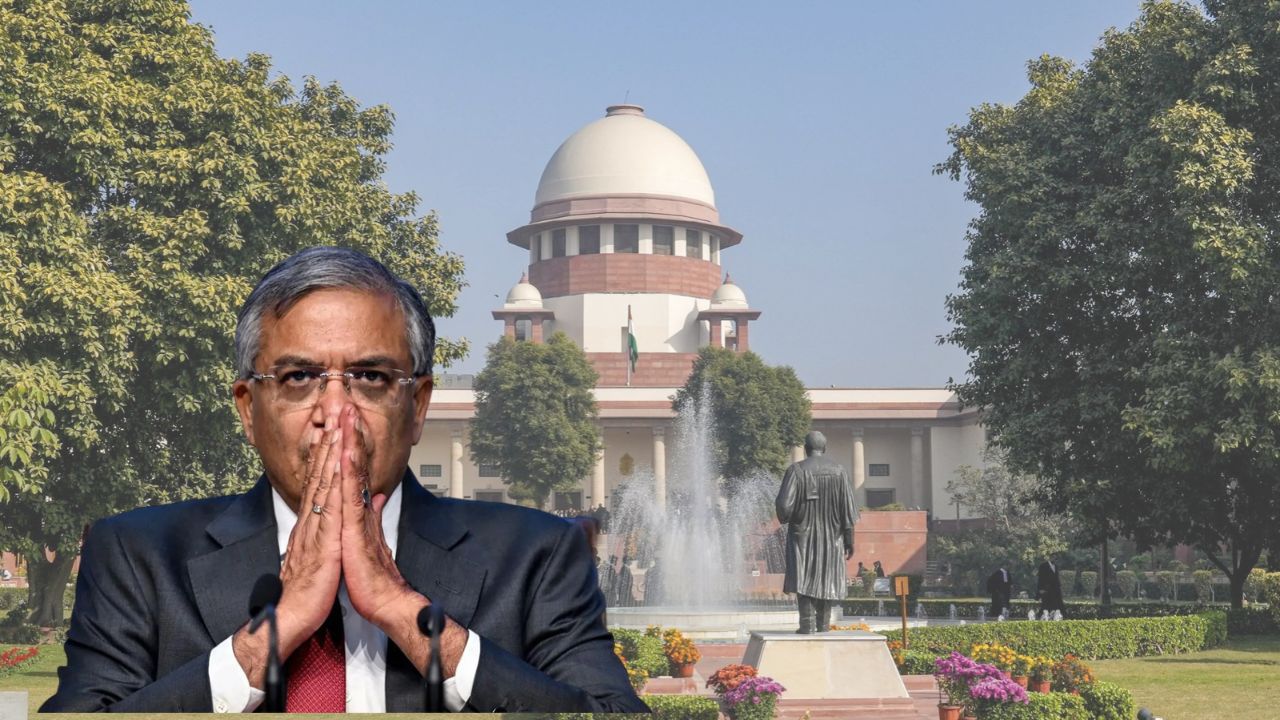
On January 29, 2026, a bench led by Chief Justice of India Surya Kant directed the ECI to publicly display the list of individuals whose names were excluded from the draft electoral rolls. The court ordered that this list be displayed in taluk-level offices across Tamil Nadu to ensure accessibility and transparency.
Crucially, the court mandated that against every excluded name, the ECI must clearly mention the specific “logical discrepancy” found in the voter’s form.
This direction followed submissions from senior advocates Kapil Sibal and Amit Anand Tiwari, appearing for leaders of the ruling Dravida Munnetra Kazhagam (DMK), who argued that without reasons, affected voters would have no way of knowing why they were excluded or how to correct the issue.
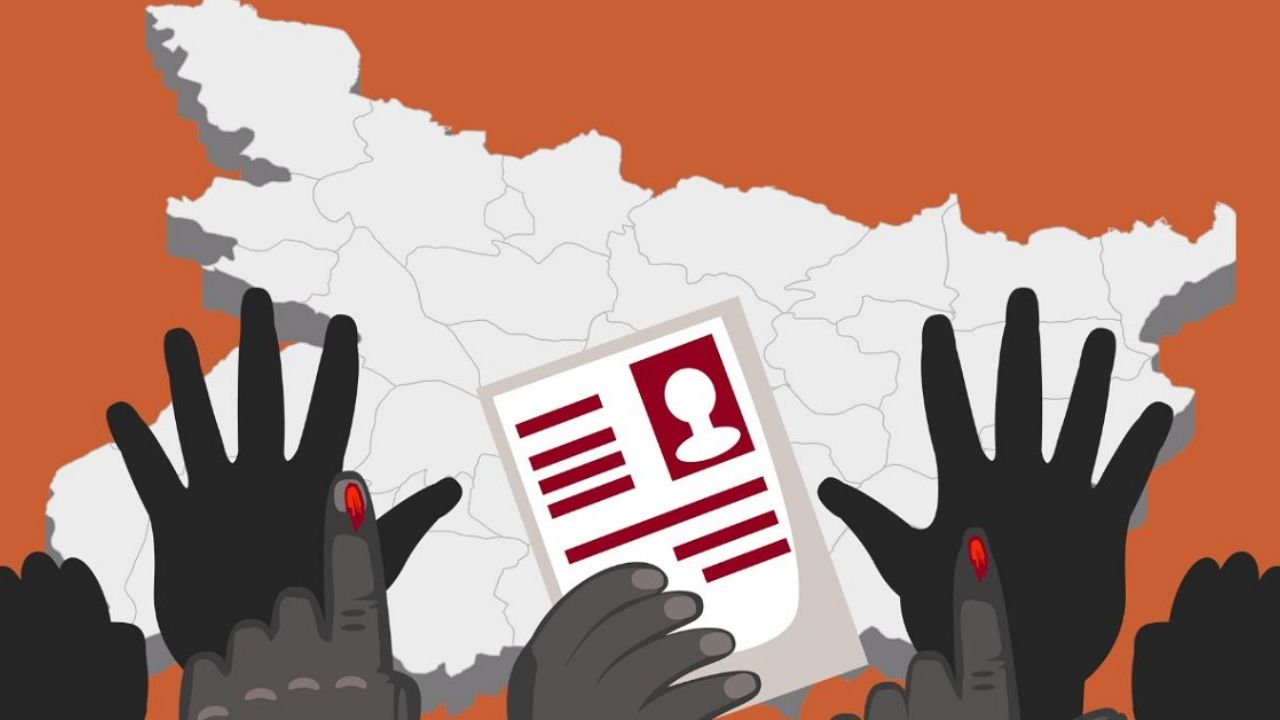
Special Intensive Revision: Ensuring Clean Electoral Rolls
The Supreme Court granted individuals whose names appeared on the list a 10-day window from the date of public display to submit documents for verification. Voters may submit documents either in person or through authorised representatives, including booth-level agents of political parties.
The court clarified that submissions could be made to taluk-level offices or booth-level officers. Importantly, officials receiving documents or conducting hearings are required to certify both the receipt of documents and the conduct of the hearing, ensuring accountability in the process.
The court took note of the massive scale of the SIR exercise, with approximately 1.16 crore voters reportedly receiving notices from the ECI for document verification. Recognising the administrative burden this places on election machinery, the Supreme Court directed the Tamil Nadu government and the State Election Commission to provide adequate human resources to the ECI.
District Collectors were instructed to strictly follow ECI and State government directions to deploy sufficient staff and security forces, ensuring that the objections phase proceeds smoothly and without disruption.
DMK leaders highlighted what they described as a “staggering gap” in the process. According to an application filed by senior DMK leader R.S. Bharathi, nearly 88% of voters—around 1.21 crore people—had not yet received hearing notices, even as the objections phase was nearing its January 30 deadline.
Tamil Nadu SIR Row: SC cracks down, orders voter lists to be displayed at Panchayat and ward offices
The petitioners urged the court to extend to Tamil Nadu the same safeguards earlier granted in a similar SIR case in West Bengal, where exclusions were also based on discrepancies in voter mapping, lack of linkage with earlier SIR exercises, and logical inconsistencies.
Through its directions, the Supreme Court emphasised that electoral roll revisions must balance accuracy with fairness. Transparency, clear communication, and sufficient opportunity for voters to be heard were highlighted as essential to prevent wrongful exclusion and to protect the democratic right to vote.