English
 English

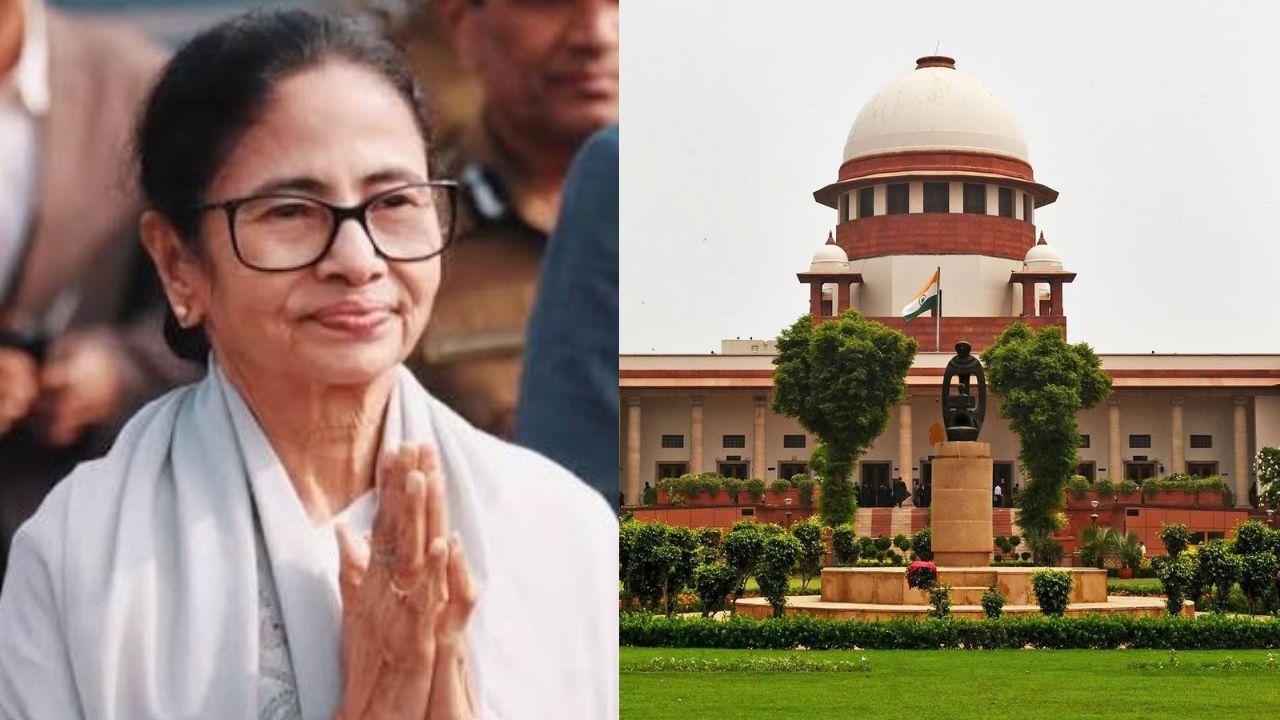
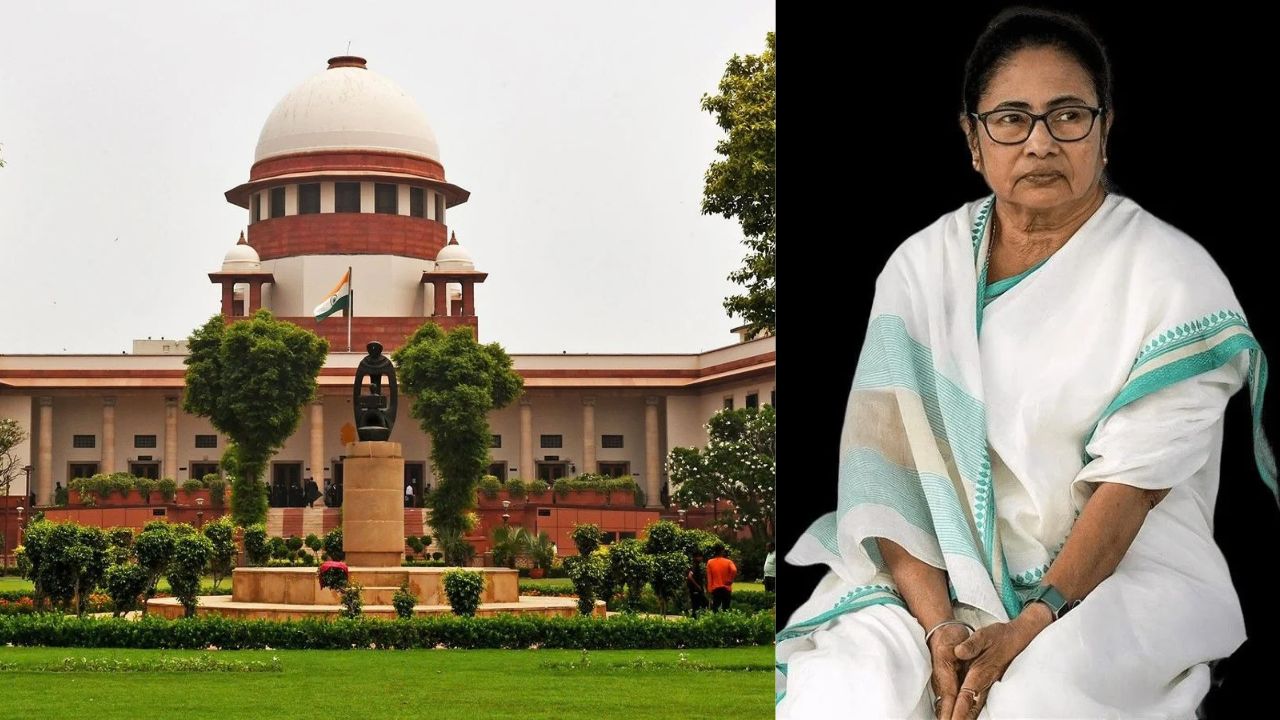
Supreme Court refers Election Commissioner appointment law challenge to Constitution Bench. (Img: Pinterest)
New Delhi: The Supreme Court has referred petitions challenging the 2023 law governing the appointment of Chief Election Commissioner and Election Commissioners to a Constitution Bench. The decision came after a two-judge bench delivered different opinions on whether the matter required a larger constitutional hearing.
The case has attracted attention as it involves the process of appointing members of the Election Commission of India, the institution responsible for conducting elections in the country. The petitioners have questioned whether the existing selection mechanism protects the independence of the poll body, while the Centre has defended Parliament’s authority to frame the appointment law.
The matter will now be placed before the Chief Justice of India for the formation of a Constitution Bench that will examine the wider constitutional questions involved.
## Supreme Court judges differ over larger bench reference
A bench of Justice Dipankar Datta and Justice Satish Chandra Sharma was hearing a batch of petitions challenging the constitutional validity of the Chief Election Commissioner and Other Election Commissioners (Appointment, Conditions of Service and Term of Office) Act, 2023.
The two judges expressed different views on whether the challenge should immediately be sent to a larger bench.
Justice Datta questioned the necessity of a Constitution Bench reference at this stage and observed that the principles regarding an independent Election Commission had already been discussed in the earlier Supreme Court judgment in the Anoop Baranwal case.
Justice Sharma, however, held that the matter involved important constitutional questions regarding Parliament’s power and the structure of the appointment mechanism, requiring examination by a larger bench.
To prevent further delay in deciding the issue, both judges agreed that the matter should be placed before the Chief Justice of India for consideration of a Constitution Bench.
## Why is the Election Commissioner appointment law under challenge?
The petitions challenge provisions of the Chief Election Commissioner and Other Election Commissioners Act, 2023, which lays down the procedure for selecting the CEC and ECs.
Under the current law, the selection committee includes the Prime Minister, a Union Cabinet Minister nominated by the Prime Minister and the Leader of Opposition in the Lok Sabha.
The petitioners have argued that removing the Chief Justice of India from the selection panel changes the balance of the committee and raises concerns about the independence and perceived neutrality of the Election Commission.
They have argued that a constitutional body responsible for conducting elections must not only function independently but should also maintain public confidence in its appointment process.
The challenge involves issues related to constitutional safeguards, institutional independence, Article 324 and the basic structure doctrine.
## Justice Datta raises concerns over selection mechanism
During the hearing, Justice Dipankar Datta examined whether the appointment process under the 2023 law provides an effective check against executive influence.
The judge observed that the credibility of the Election Commission depends not only on the qualifications of appointed officials but also on whether the process appears neutral to citizens.
Justice Datta questioned whether a committee involving a Union Minister nominated by the Prime Minister could provide an independent balance during appointments.
He highlighted that public perception plays an important role in constitutional institutions, especially those responsible for ensuring electoral fairness.
The judge also used a sports analogy, comparing the appointment of an election authority with the selection of an umpire, where public trust depends on the neutrality of the selection process.
## Centre defends Parliament’s power to make ECI appointment law
The Union government has defended the 2023 legislation, arguing that the Constitution gives Parliament the authority to create a framework for appointing Election Commissioners.
The Centre has relied on Article 324 of the Constitution, which deals with the powers and responsibilities of the Election Commission.
The government has argued that the Supreme Court’s 2023 judgment in Anoop Baranwal vs Union of India provided only an interim arrangement because Parliament had not enacted a law on appointments at that time.
According to the Centre’s argument, once Parliament passed the 2023 Act, the interim mechanism involving the Chief Justice of India was no longer applicable.
The government has also maintained that the presence of executive representatives on the selection panel does not automatically mean that appointed officials would act under government influence.
## Background: Anoop Baranwal judgment and the appointment debate
The current legal battle traces back to the Supreme Court’s 2023 Constitution Bench judgment in Anoop Baranwal vs Union of India.
In that case, the Supreme Court had directed that the appointment of Chief Election Commissioner and Election Commissioners should be carried out through a committee consisting of the Prime Minister, Leader of Opposition and Chief Justice of India until Parliament created a law.
The judgment was delivered because there was no specific parliamentary legislation governing the appointment process.
After Parliament enacted the Election Commissioners Act, 2023, several petitions were filed challenging the new mechanism.
The petitioners argued that Parliament could frame a law but could not create a system that gives the executive a dominant role in choosing members of the Election Commission.
## Larger constitutional questions before Constitution Bench
The upcoming hearing before the Constitution Bench will examine important legal questions surrounding the appointment process of Election Commissioners.
The court is expected to consider the balance between Parliament’s legislative authority and the constitutional requirement of an independent Election Commission.
The bench may also examine the interpretation of Article 324 and whether the existing selection committee structure meets the standards required for free and fair elections.
The outcome of the case could influence the future framework for appointing officials of one of India’s most important constitutional institutions.
## Supreme Court raises concern over delay in constitutional cases
During the proceedings, the Supreme Court also highlighted delays in matters referred to Constitution Benches.
The judges observed that sending constitutional questions through multiple stages before final hearing can slow down decisions on issues of national importance.
The Bench suggested consideration of a permanent Constitution Bench system to handle major constitutional matters more efficiently. The judges placed the matter before the Chief Justice of India to decide the composition and listing of the Constitution Bench.
The larger bench will examine the legal challenge against the 2023 Election Commissioners appointment law and decide whether the mechanism complied with constitutional principles.