English
 English

Several students conducted protests outside the UGC headquarters
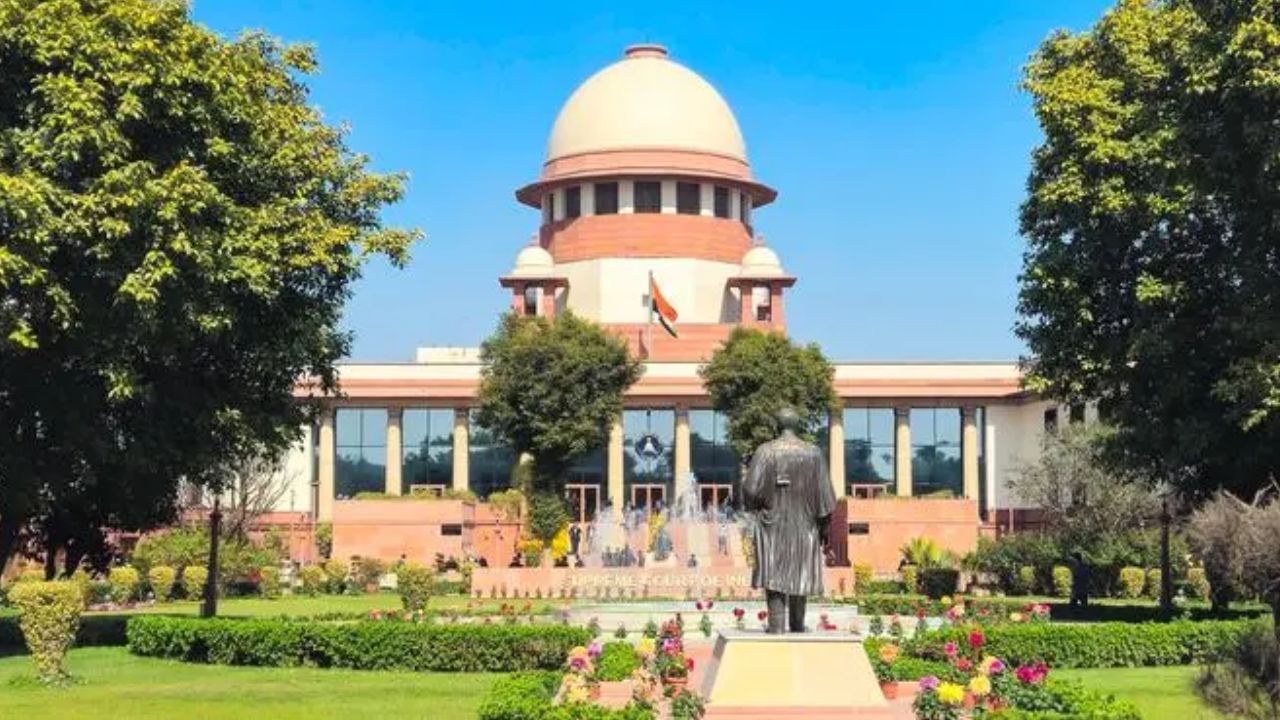
New Delhi: The Supreme Court on Wednesday agreed to take up a Public Interest Litigation (PIL) challenging the University Grants Commission’s (UGC) 2026 regulations on caste-based discrimination, following a growing controversy over what petitioners have described as a “draconian” definition of the term.
A Bench presided over by Chief Justice of India Surya Kant indicated that the matter would be listed for hearing after procedural defects, if any, are addressed.
Seeking an urgent listing, advocate Parth Yadav, appearing for the petitioners, submitted that certain provisions of the regulations could have the unintended effect of promoting discrimination against students belonging to the general category.
‘No One Will Be Discriminated Against’: Centre clarifies stand amid UGC regulation row
Responding to the submission, the CJI said the court was aware of the concerns surrounding the regulations and directed the counsel to cure defects in the plea and provide the case number to facilitate listing.
The PIL has been filed by businessman and philanthropist Rahul Dewan, retired IAS officer Sanjay Dixit, and others. It challenges specific provisions- Regulations 3(1)(c), 8(b), and 8(c) of the University Grants Commission (Promotion of Equity in Higher Education Institutions) Regulations, 2026, notified on January 13.
The petitioners argue that these provisions violate Articles 14, 15, and 21 of the Constitution.
At the heart of the challenge is Regulation 3(1)(c), which defines caste-based discrimination as discrimination solely against Scheduled Castes, Scheduled Tribes, and Other Backward Classes. The petition claims this definition is overly restrictive and excludes other groups who may face discrimination based on caste identity.
The plea contends that the regulation offers selective protection, leaving out students from the general category who may also experience prejudice, harassment, or social exclusion in educational institutions.
According to the petitioners, the regulatory framework creates an imbalance by establishing grievance redress mechanisms such as Equal Opportunity Centres and helplines primarily for reserved categories, while offering no equivalent safeguards for students from the general category.
UGC rules will be fair for all, Ministry to clarify confusions; Full details inside
This, they argue, amounts to hostile discrimination and undermines the principle of equality before law.
The plea asserts that the classification fails the test of reasonable classification under Article 14, as it lacks a rational nexus with the stated objective of promoting equity in higher education. It also cites the Supreme Court’s ruling in Indra Sawhney v Union of India (1992), cautioning against affirmative action measures that result in reverse discrimination.
Emphasising the right to dignity under Article 21, the petitioners maintain that all citizens—irrespective of caste—are entitled to equal protection and respect, and that the impugned provisions threaten social harmony by deepening divisions rather than addressing discrimination holistically.