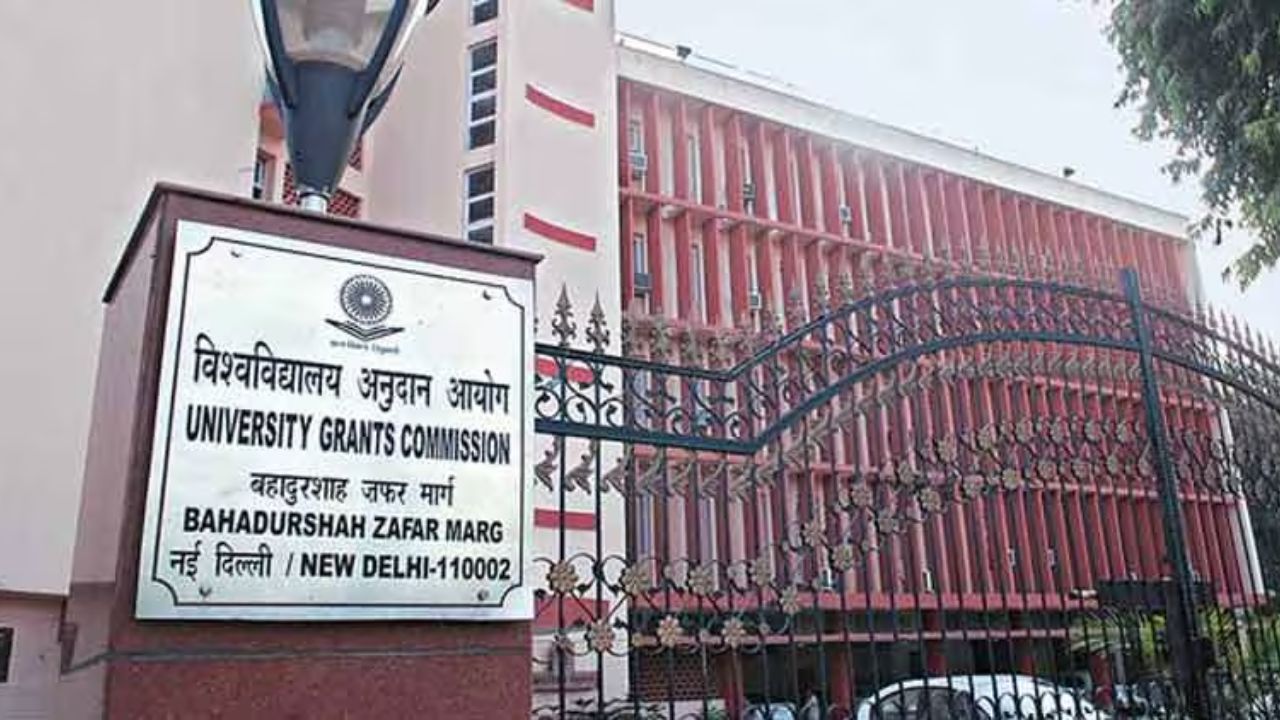
Education Ministry to Issue Clarification on UGC Guidelines
New Delhi: Amidst the growing controversy across the country regarding the new UGC (University Grants Commission) rules, the central government has now come forward. According to government sources, the UGC rules will be equal and fair for all, and no discrimination will be made against any class. The government has also clarified that if there is any misunderstanding or confusion regarding the new rules, the Ministry of Education will soon issue an official clarification to clear them up.
The protests that began in Uttar Pradesh against the new UGC rules have now spread to several states. Organizations associated with the upper caste community have also announced protests in the capital, Delhi. Amid the growing protests, the government maintains that the rules are not intended to target anyone, but rather to strengthen the grievance redressal system.
CSIR UGC NET December 2025 registration ends today; Know exam date, fees
According to government sources, clearing up misconceptions about the notified rules is the government's priority, and the Ministry of Education will soon clarify the situation in this regard.
Under the new UGC rules, a nine-member Grievance Redressal Committee will be formed. This committee will include the head of the institution, three professors, one employee, two general citizens, and two special invitees. Five of these seats are reserved for SC/ST, OBC, persons with disabilities, and women.
This is where the controversy begins. Organizations affiliated with the general category allege that there is no clear representation for them on the committee. They say that the category most likely to receive complaints against them will not be included on the committee, which could increase the possibility of bias.
According to the rules, this committee will be formed to address complaints related to SC/ST, OBC, persons with disabilities, and women. The general category alleges that while most complaints may be against them, their absence raises questions about impartiality. This is leading to growing dissatisfaction among upper caste organizations.
Ganesha Visarjan: Anant Chaturdashi celebrations begin; Festivities at Lalbaugcha Raja in Mumbai
The controversy deepened when Bareilly City Magistrate Alankar Agnihotri resigned from his post over the new UGC guidelines and the Shankaracharya issue. He compared these rules to the Rowlatt Act of 1919, saying it amounted to exploitation of general category students.
He also questioned whether the same rules were being re-implemented today, similar to the Rowlatt Act that Mahatma Gandhi had opposed.
The government says it will hear from all parties and clear up any confusion surrounding the rules. All eyes are now on the Ministry of Education's proposed clarification, which will clarify how fair and balanced the new UGC rules truly are.

