 English
 English
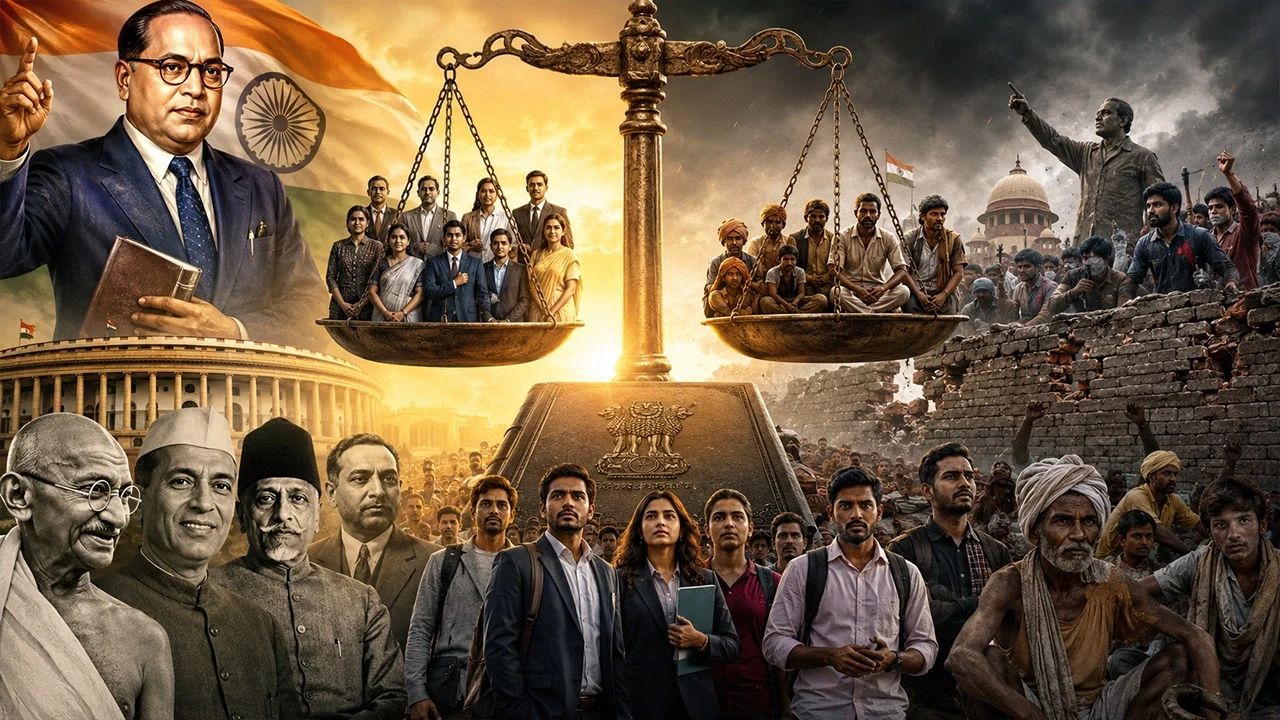
New Delhi: Over the past several days, an intense debate has been unfolding across universities, college campuses, student organisations, the teaching community, lawyers, and political circles. A highly sensitive social dimension has also emerged-pitting upper castes against backward and Dalit groups. Alongside this, questions have gained momentum over whether these regulations have any impact on the reservation system, or could potentially affect it in the future.
Senior journalist Manoj Tibrewal Aakash, on his show 'The MTA Speaks', emphasized that the new regulations, titled “Promotion of Equity in Higher Education Institutions Regulations” and notified by the UGC in January 2026, were designed to prevent caste discrimination, social oppression, unequal treatment, and institutional neglect in universities and higher education institutions across the country.
These rules mandate the formation of an Equal Opportunity Centre, Equity Committee, and Equity Squad in every central, state, deemed, and private university, as well as in colleges, to register complaints from students, researchers, and employees belonging to SC, ST, OBC, and other disadvantaged groups, conduct preliminary investigations, and ensure timely resolution.
They also include a 24×7 helpline, an online complaint portal, a time-bound completion of investigations, and a clear warning that any institution failing to comply with these rules could face stringent action, including withholding funding, reducing grants, or even impacting accreditation.
The MTA Speaks: How Budget 2026 will impact the common man, middle class, and startups?
The UGC and the central government argue that over the past decade, serious complaints of discrimination, mental harassment, and institutional bias against SC, ST, and OBC students have emerged from several prestigious institutions across the country. In some cases, student suicides have raised serious questions about the sensitivity and accountability of the entire higher education system.
It was found that existing grievance redressal mechanisms were either merely on paper or ineffective and subject to excessive delays. Therefore, it became necessary to enact new regulations to ensure that equality and inclusion are implemented in practice, rather than confined to policy documents.
However, as soon as these regulations were notified, several petitions were filed in the Supreme Court, arguing that they were vague, overly broad and lax, lacked a balance between the rights of the complainant and the accused, and that, most importantly, they posed the risk that they could be misused to construe any academic decision, disciplinary action, or administrative action as caste discrimination.
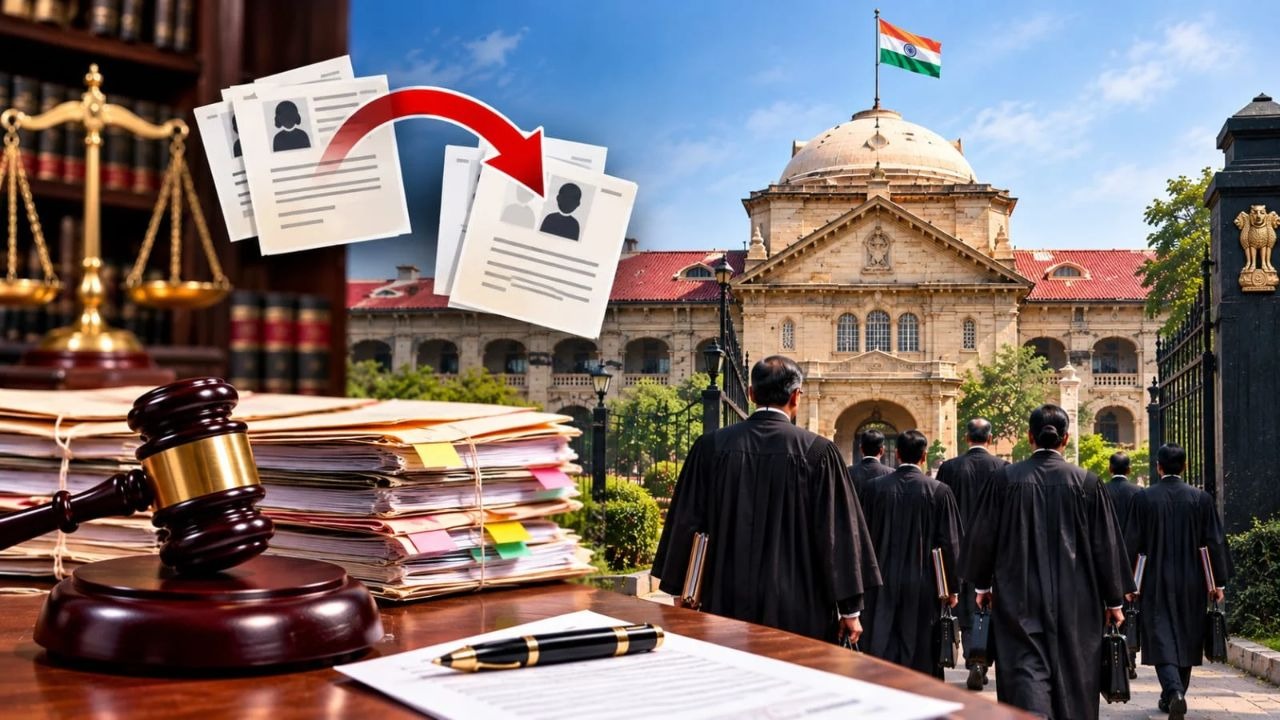
The Supreme Court, hearing these petitions today, made significant and far-reaching observations, stating that prima facie, the language of the rules appears to lack clarity. In particular, the definition of the term "discrimination" is so broad and vague that, without concrete and objective standards, any administrative decision, such as the deduction of marks by a professor, the rejection of a research proposal, disciplinary action against a student, or the transfer of an employee, could be used as a basis for complaint as discrimination.
The Court also stated that this would create an atmosphere of fear, distrust, and confrontation in universities. Teachers and administrators would be afraid to make independent academic decisions, and the fundamental purpose of education, namely, the development of knowledge and wisdom, would be compromised.
Keeping these concerns in mind, the Supreme Court has temporarily stayed the implementation of these rules and sought a detailed response from the Central Government and the UGC. Although the next hearing date has not yet been set, the court has indicated that the matter will be thoroughly examined in the near future to determine whether these rules should be amended, implemented in a limited manner, or a new, balanced framework should be developed.
During this controversy, the issue of upper castes versus backward and Dalits has increasingly emerged, with social media, TV debates, and campus discussions spreading the perception that these rules are biased against the upper castes and give excessive and unbalanced power to SC, ST, and OBC communities.
Some upper caste students and teachers express fears that if complaints are not investigated fairly and transparently, they could be targeted through false or malicious complaints, jeopardizing their academic future or career.
On the other hand, organizations representing Dalit, tribal, and backward classes argue that this fear is a veiled denial of the social reality that discrimination, neglect, and unequal treatment have persisted on campuses for decades. Weakening the grievance mechanism will leave students from marginalized communities with no effective avenues for justice.
It's crucial to clarify that these new UGC regulations do not alter the reservation system, nor are they intended to amend the reservation policy. These regulations neither alter the percentage of reservations in admissions, nor do they affect the reservation system applicable to the recruitment of teachers or staff, nor do they alter the constitutional provisions related to promotions.
The reservation system is in effect under Articles 15(4), 15(5), and 16(4) of the Constitution, remains completely intact and is not directly or indirectly affected by these rules.
Confusion is spreading because the focus of these rules is not on the quota system but on equity—equal opportunity, dignified treatment, and a grievance redressal process. However, critics say that if the language and procedures of the rules are not clarified, this very grievance mechanism could become a means of exerting social pressure, limiting academic freedom, and increasing class polarization on campuses.
Those opposing the rule include student organizations, teachers' unions, several senior academics, university administrators, and the legal community across the country, who call it unconstitutional, against the principles of natural justice, and beyond the jurisdiction of the UGC.
Those supporting it include Dalit and tribal organizations, social justice groups, and pro-government groups, who argue that without such rules, the voices of students facing discrimination will always be suppressed.
The UGC's official position is that before formulating these regulations, an expert committee was formed, comprising experienced higher education administrators, experts on social justice and inclusion, academic scholars familiar with reservation and constitutional law, and senior UGC officials.
This committee studied data from various universities across the country, complaints, previously implemented regulations, and some international models and made its recommendations. However, critics allege that the participation of elected representatives of students and teachers was limited in this process, leading to dissatisfaction and distrust.
Overall, the Supreme Court’s interim stay on the new UGC regulations underscores the judiciary’s keen vigilance in maintaining a balance between social justice and fundamental rights. This issue extends beyond education policy, as it will shape how equality, freedom, accountability, and academic autonomy are balanced in higher education institutions in the future, ensuring that no class is intimidated or discriminated against.