 English
 English

Waheed Para Questions J&K Political Roadmap, Says Ladakh Shows Power Of Sustained Engagement
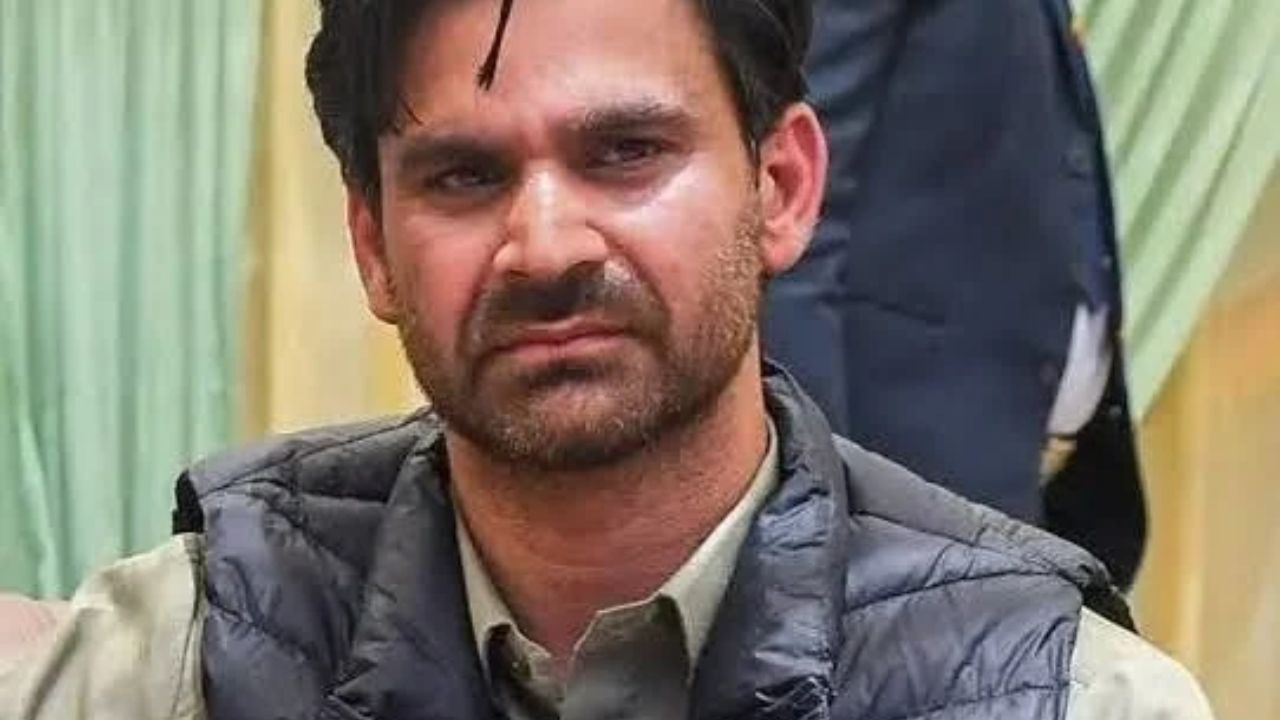
Srinagar: A fresh political conversation has emerged in Jammu and Kashmir after Peoples Democratic Party (PDP) MLA Waheed Para questioned the region’s political strategy and pointed towards Ladakh’s sustained engagement with the Centre as an example of persistent political articulation.
Para’s remarks underline a larger question confronting Jammu and Kashmir’s political landscape, whether the region’s leadership has effectively transformed its democratic mandate into a cohesive political strategy capable of addressing long-term concerns.
The PDP legislator argued that politics is not merely about occupying institutions but about shaping narratives, building consensus and ensuring that regional aspirations remain visible in the national political conversation.
By drawing attention to Ladakh’s approach, Para highlighted the importance of sustained engagement, strategic negotiations and collective representation in pursuing political objectives.
His comments have added momentum to the ongoing debate surrounding restoration of statehood, constitutional safeguards, protection of regional interests and the future political direction of Jammu and Kashmir.
Para referred to Ladakh’s continued political efforts after the 2019 reorganisation of Jammu and Kashmir, when the former state was divided into two Union Territories.
While Jammu and Kashmir retained a Legislative Assembly, Ladakh was created as a Union Territory without a legislature. Since then, political groups and representatives from Ladakh have continued to raise demands related to constitutional protections, legislative powers, land safeguards, employment security and institutional representation.
According to Para, Ladakh’s ability to keep these issues alive reflects the significance of political persistence and structured engagement. He suggested that political battles are often fought not only through elections but also through sustained dialogue, public mobilisation and continuous negotiation with decision-making institutions.
For Para, Ladakh’s experience demonstrates how a consistent political narrative can ensure that regional demands remain part of broader national discussions.
Highlighting the difference between the two regions, Para pointed out that Jammu and Kashmir currently has elected institutions, including a Legislative Assembly, a Chief Minister and a Council of Ministers.
He argued that this political framework provides Jammu and Kashmir with an opportunity to develop a stronger institutional strategy for addressing larger questions concerning its future.
According to Para, the responsibility of elected leadership extends beyond administrative governance and routine policy decisions. He suggested that political leadership must also engage with issues that define the region’s identity, aspirations and constitutional framework.
His remarks reflect a broader political argument that governance and political representation must work together to address challenges that go beyond immediate administrative priorities.
One of the key messages from Para’s remarks was the need for political unity on issues that impact Jammu and Kashmir’s long-term future. He suggested that the Chief Minister could have initiated a broader political dialogue by bringing together different political parties under a common platform.
A proposed all-party committee, according to Para, could have created a mechanism for collective deliberation and enabled a joint delegation to engage with the Prime Minister and the Union Home Minister.
Such a move, he argued, would have projected a unified political voice from Jammu and Kashmir and strengthened the region’s position during negotiations with the Centre.
The idea reflects a larger political philosophy that issues of historical and constitutional importance require consensus-building rather than fragmented political responses.
Para also referred to PDP president Mehbooba Mufti’s suggestion of sending a joint delegation to meet senior leaders of the Union government. He indicated that such an initiative could provide an opportunity to restart a structured political dialogue and bring different stakeholders together.
The proposal comes amid continuing discussions within Jammu and Kashmir’s political circles over how regional parties should approach questions related to statehood, safeguards and political empowerment.
Para’s comments suggest that the future political discourse in Jammu and Kashmir may increasingly revolve around the ability of parties to move beyond traditional rivalries and develop a common framework on key issues.
Para stressed that the discussion should not be reduced to competition between political parties. According to him, the larger challenge before Jammu and Kashmir’s political leadership is to rise above electoral calculations and focus on issues that could influence future generations.
His remarks highlight a recurring theme in regional politics, the need to balance immediate political interests with long-term institutional and constitutional objectives.
For many observers, the debate is not only about individual political positions but also about the broader question of how Jammu and Kashmir’s leadership defines its role in the post-2019 political landscape.
The debate over Jammu and Kashmir’s political future continues to revolve around restoration of statehood, constitutional safeguards, protection of land and employment rights and strengthening democratic institutions.
Since the 2019 changes, political parties in the region have adopted different strategies while engaging with the Centre. Some have focused on dialogue, while others have emphasised political mobilisation and public pressure.
Para’s latest remarks have brought renewed attention to the question of whether a coordinated political approach could create greater influence in shaping future decisions.
At the heart of Para’s argument lies a larger political question: Can Jammu and Kashmir’s leadership create a shared vision that rises above party boundaries?
His reference to Ladakh is not merely a comparison between two regions but an argument about political strategy, persistence and the power of sustained engagement.
As Jammu and Kashmir navigates a new political era, the ability of its leaders to build consensus, maintain dialogue and articulate regional aspirations will remain a defining factor in shaping its future trajectory.
The emerging debate reflects a larger reality of democratic politics — that influence is often built through patience, negotiation and the ability to keep important issues alive over time.