English
 English

‘Not Bangladesh or Nepal’: Prakash Raj Slams Centre Over Protest Crackdown. (Img: X)
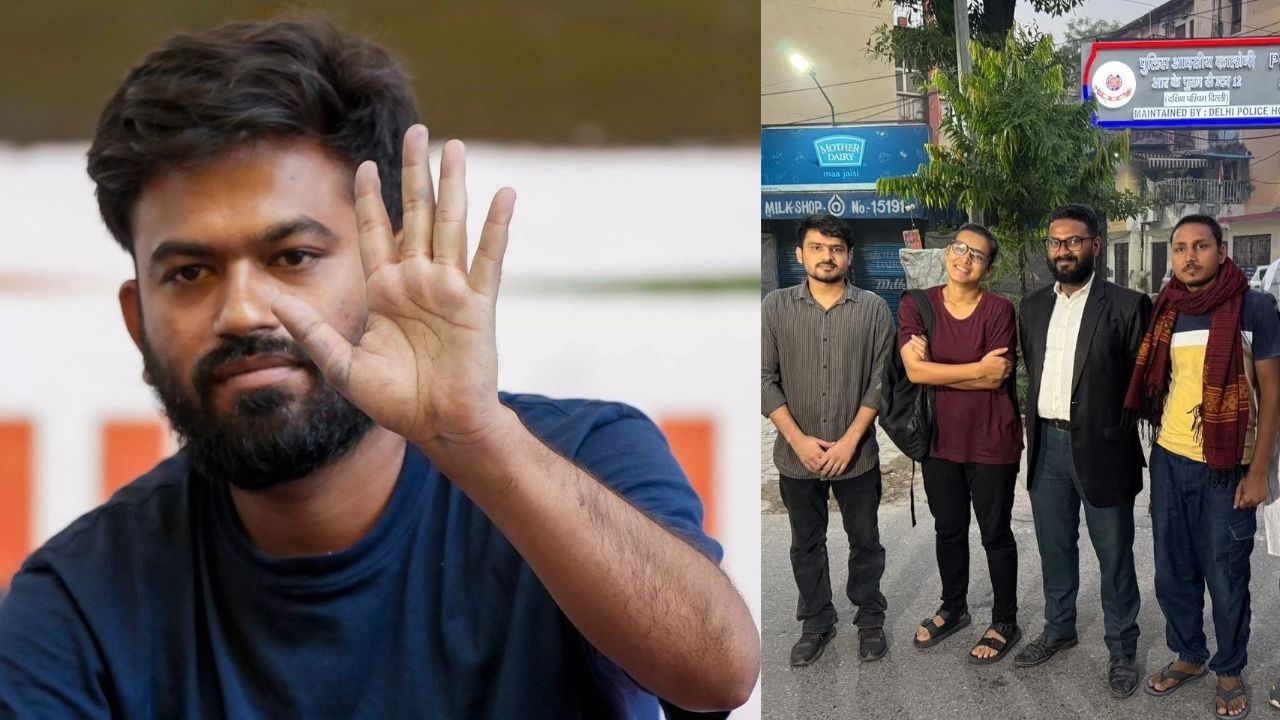
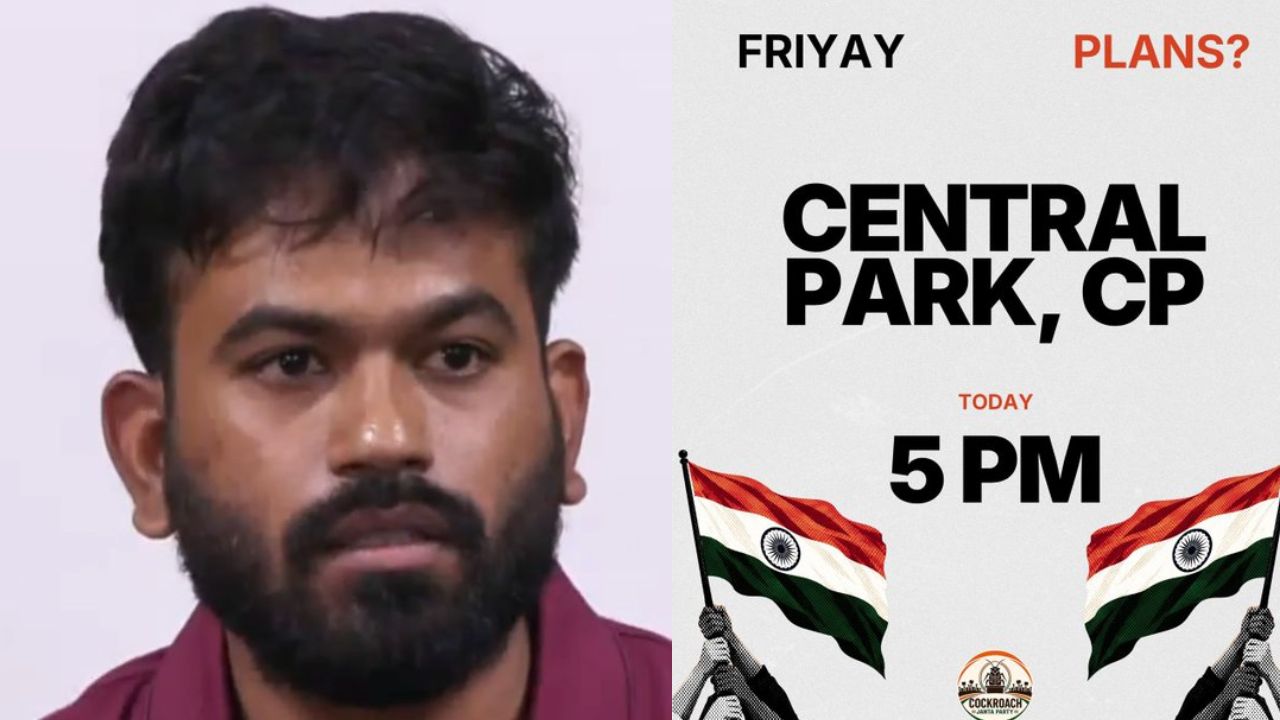
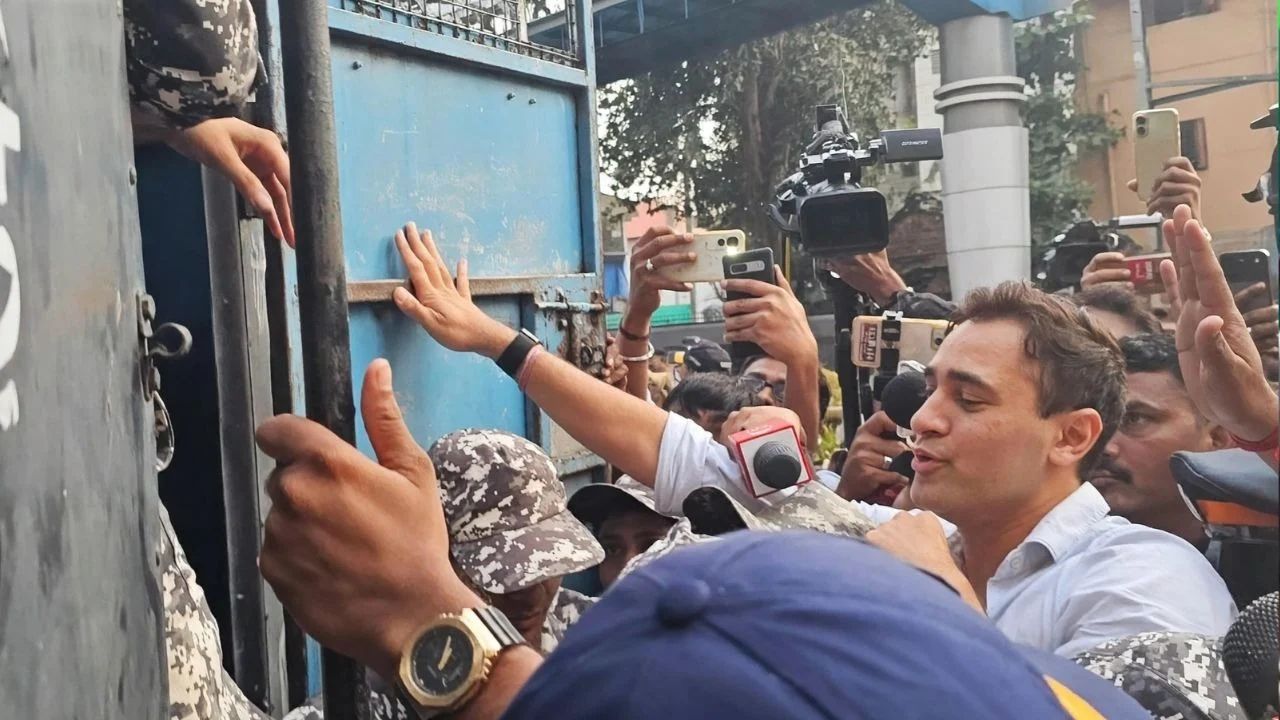
Thiruvananthapuram: Actor and political activist Prakash Raj has intensified the debate over democratic dissent and regime change, asserting that any change of government in India must be achieved through elections, constitutional safeguards and peaceful public mobilisation. His remarks come amid mounting protests against Chief Election Commissioner Gyanesh Kumar over alleged irregularities in the Special Intensive Revision (SIR) of electoral rolls and the detention of Cockroach Janata Party (CJP) founder Abhijeet Dipke ahead of a proposed Tiranga march in Delhi.
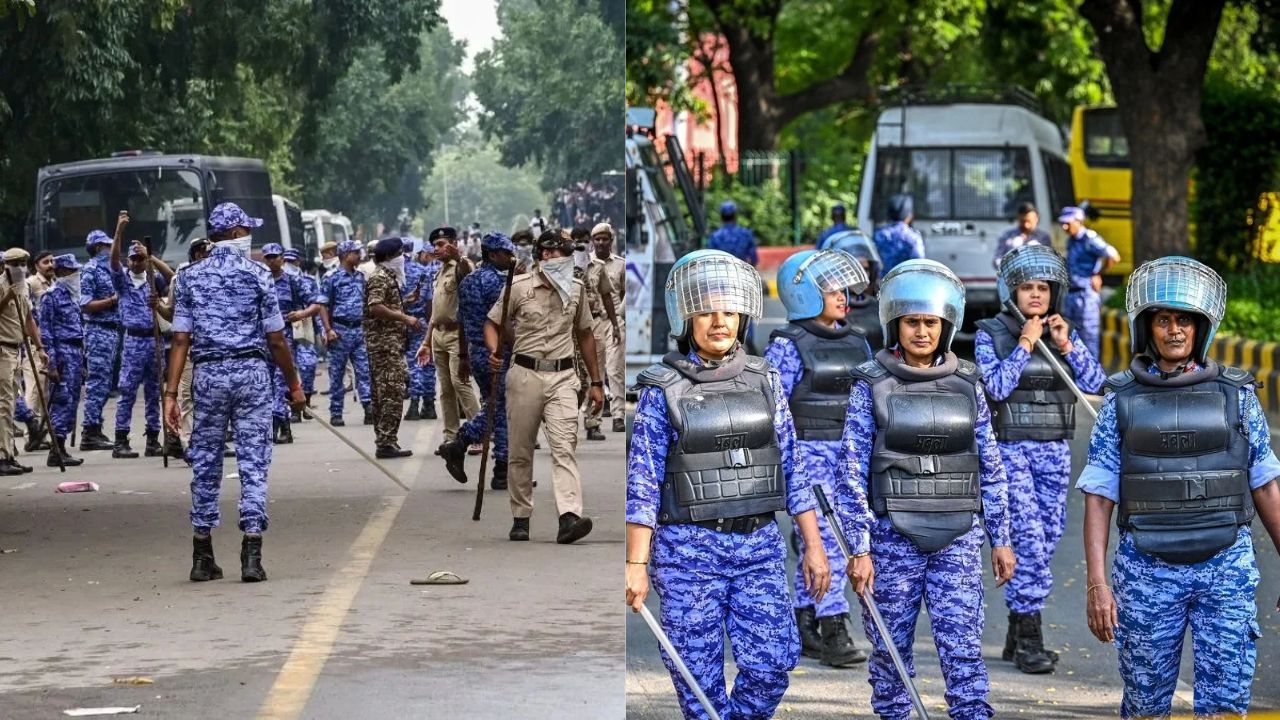
Raj has criticised the use of force against demonstrators, arguing that restrictions on peaceful assemblies and the authorities’ alleged reluctance to engage with protesters have deepened political discontent. He has maintained that citizens have the constitutional right to question those in power, demand accountability and seek a change of government through the ballot box.
The actor’s intervention has added a fresh dimension to the political confrontation, particularly after comparisons were drawn between India’s opposition-led agitation and the mass movements that brought about changes of government in Bangladesh in 2024 and Nepal in 2025.
Raj has advocated a sustained democratic campaign against the incumbent government, outlining a political contest that could extend from Uttar Pradesh to the 2029 Lok Sabha elections. He has emphasised that electoral participation, peaceful demonstrations and constitutional resistance must remain central to any effort to bring about a change in leadership.
Invoking the political and ideological legacies of B. R. Ambedkar, Mahatma Gandhi and Bhagat Singh, Raj has argued that India’s constitutional framework provides citizens with established mechanisms to challenge the government and pursue political transformation.
His remarks draw a distinction between democratic regime change through elections and the collapse of governments following mass unrest. Raj has rejected the suggestion that calls for a change of government or peaceful demonstrations automatically amount to anarchy, maintaining that dissent is an integral component of a functioning democracy.
The statement has also brought renewed attention to the relationship between constitutional rights, political accountability and the government’s response to public mobilisation.
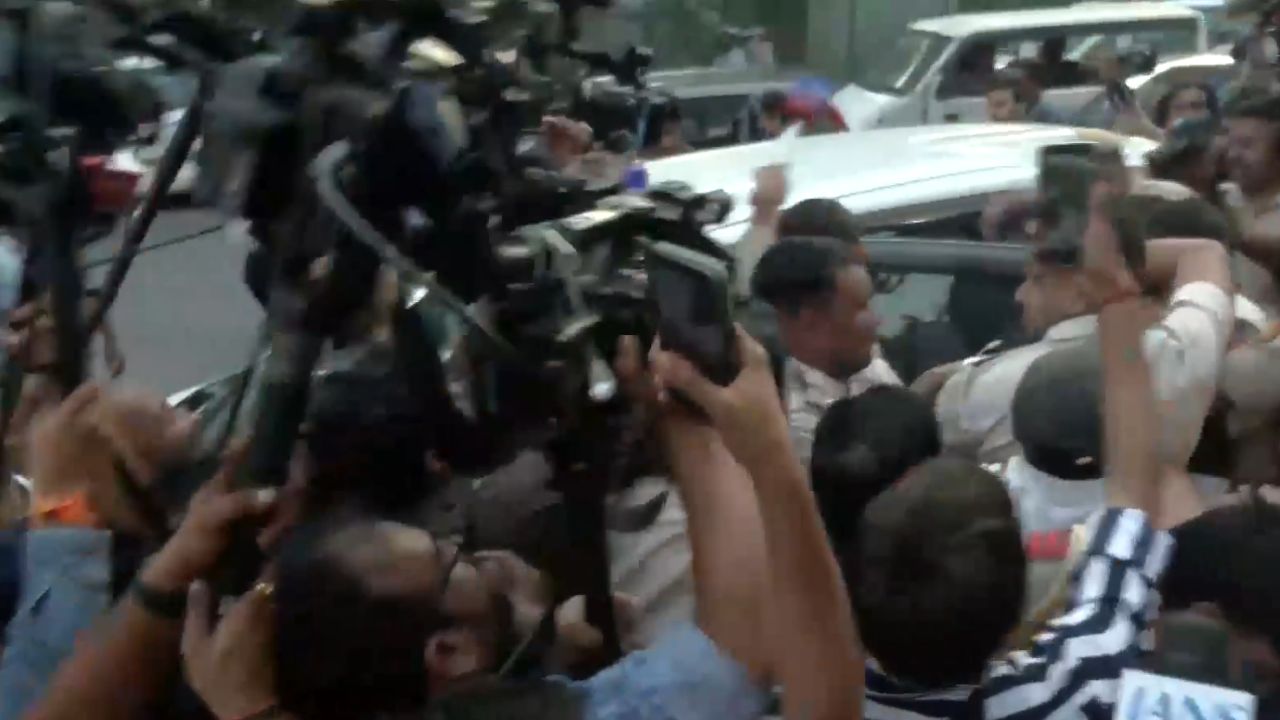
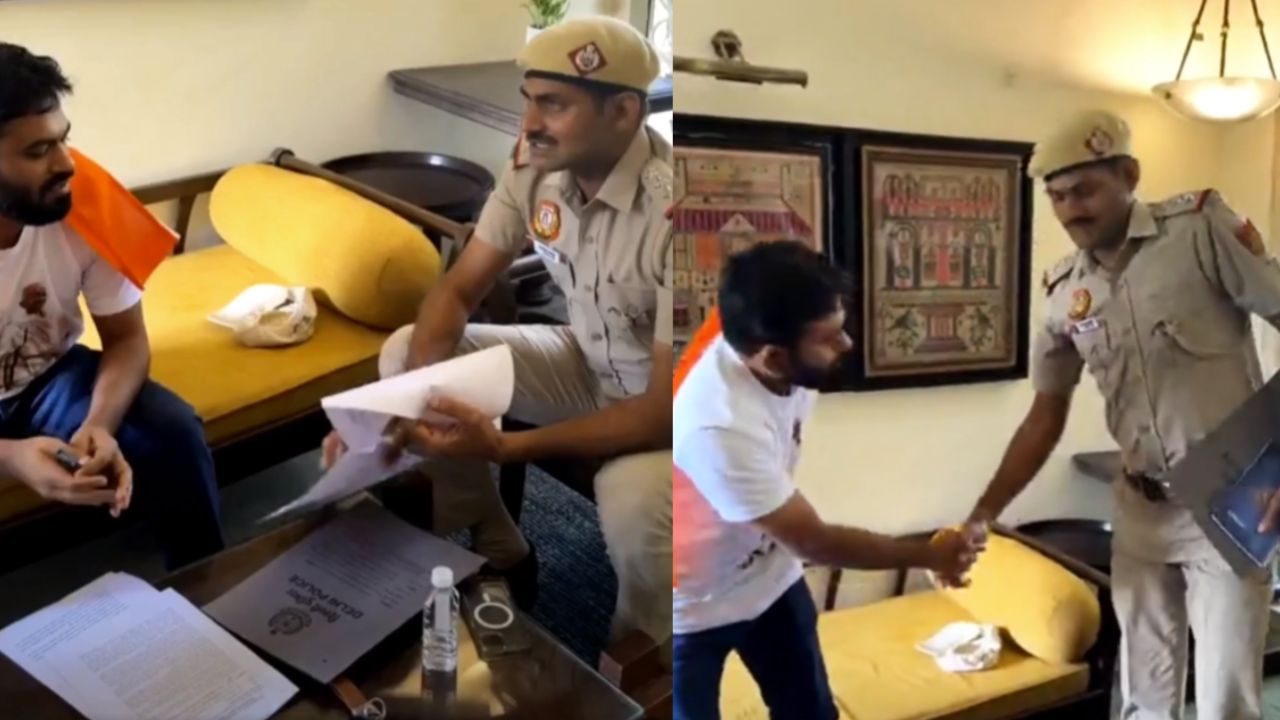
The actor’s criticism follows the detention of CJP founder Abhijeet Dipke by Delhi Police ahead of the proposed ‘Lehra Do Tiranga’ march in Connaught Place on Friday, October 16. The demonstration was planned amid demands for the resignation of Chief Election Commissioner Gyanesh Kumar over alleged irregularities in the revision of electoral rolls.
Raj has questioned the restrictions imposed on the proposed march and challenged the rationale behind requiring protesters to seek permission to exercise their right to peaceful assembly. Speaking in Keralam, he highlighted the concerns of young people and other citizens who, according to him, were taking to the streets to demand their rights and seek answers from the authorities.
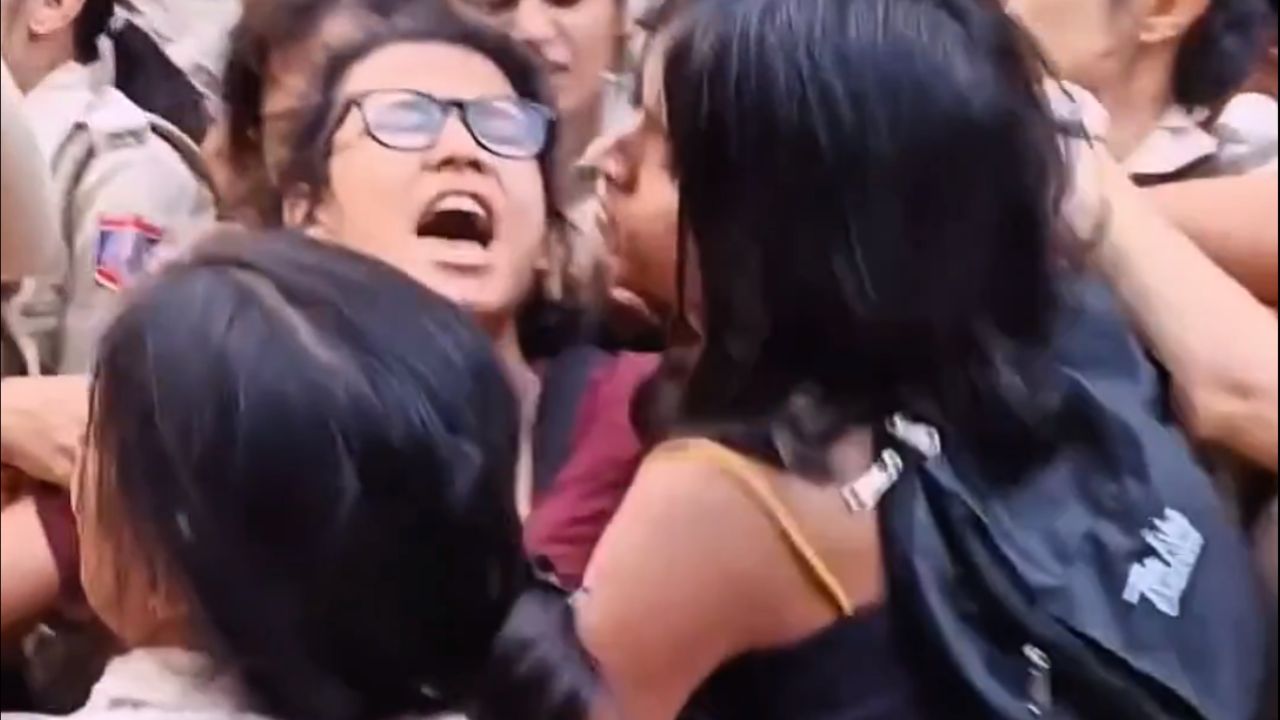
He has accused the government of attempting to suppress uncomfortable questions rather than addressing the grievances raised by demonstrators. Raj has also alleged that the use of force against protesters, including women, has aggravated the confrontation and strengthened demands for political accountability.
The actor has urged the Centre to engage with dissenting voices instead of relying on coercive measures. He has maintained that protesters are seeking to exercise constitutional freedoms, rather than resorting to armed confrontation or unconstitutional methods.
The developments have once again placed the right to peaceful protest, police restrictions on public gatherings and the proportionality of law-enforcement action at the centre of the national political debate.
Raj has also questioned the restrictions surrounding the proposed Tiranga march by referring to Prime Minister Narendra Modi’s ‘Har Ghar Tiranga’ campaign, which encourages citizens to display the national flag.
He has challenged the apparent contradiction between promoting public participation in national-flag initiatives and restricting a proposed march in which young people intended to carry the Tricolour.
The issue has added a symbolic dimension to the controversy, linking the right to demonstrate peacefully with questions about nationalism, freedom of expression and the public use of the national flag.
For Raj, the central concern is whether citizens can peacefully assemble, carry the national flag and raise political questions without facing what he considers disproportionate restrictions. His criticism has placed the government’s handling of the protest under greater public scrutiny.
The confrontation is rooted in the continuing political dispute over the Special Intensive Revision of electoral rolls and allegations of irregularities in the exercise. Opposition leaders and protest groups have raised concerns about electoral transparency and accountability, while the controversy has prompted demands for the resignation of Chief Election Commissioner Gyanesh Kumar.
The SIR exercise has become a major political flashpoint, with questions surrounding voter-list revision, electoral participation and the safeguards required to maintain public confidence in the electoral process.
CJP and its supporters have been among those mobilising against the Chief Election Commissioner. Dipke’s detention ahead of the proposed march further intensified the debate over the authorities’ response to demonstrations.
Delhi Police took preventive action against Dipke under Sections 126 and 170 of the Bharatiya Nagarik Suraksha Sanhita (BNSS), according to reports concerning the case. The provisions relate to security for keeping the peace and preventive action to avert certain cognisable offences.
Raj has questioned the restrictions placed on the demonstration and argued that the authorities should address the protesters’ concerns rather than seek to silence them. The wider dispute now encompasses both the substantive allegations concerning electoral-roll revision and the constitutional limits governing the management of public protests.
The allegations of electoral irregularities remain contested and should not be treated as established findings.
The political confrontation has also been fuelled by Defence Minister Rajnath Singh’s allegations that the Congress and its allies are pursuing a Bangladesh-style regime-change agenda through political unrest.
Singh has argued that the protests extend beyond disagreements over electoral reforms and the SIR exercise, alleging that opposition groups are attempting to create instability to dislodge the government.
The opposition’s stated concerns, meanwhile, centre on electoral integrity, accountability and the Election Commission’s handling of the voter-list revision exercise.
Raj’s remarks directly address the political significance of the comparison with India’s neighbouring countries. Bangladesh experienced the ouster of former Prime Minister Sheikh Hasina in August 2024 following mass protests, while Nepal underwent a major political upheaval in 2025 amid anti-government demonstrations.
By stressing the distinction between India and these countries, Raj has sought to frame the demand for regime change as a democratic exercise rather than an attempt to bring down the government through extra-constitutional means.
The competing narratives have sharpened the political divide, with the ruling side warning against destabilisation and critics arguing that peaceful protest and demands for electoral accountability are legitimate democratic activities.
Raj has indicated that the protest movement could expand, pointing to potential support from farmers, the Samyukta Kisan Morcha and civil society organisations. He has suggested that the next phase could see greater public participation and more extensive demonstrations.
The involvement of farmers’ organisations and civil society groups could widen the scope of the agitation beyond the immediate dispute involving the Chief Election Commissioner. However, the scale and timing of any further mobilisation remain uncertain.
Raj has also called on opposition parties to raise the issue in Parliament during the Winter Session, urging elected representatives to address the allegations of police excesses and restrictions on peaceful demonstrations through institutional channels.
His position combines street-level mobilisation with parliamentary scrutiny, presenting both as avenues for pursuing political accountability within the constitutional framework.
The controversy has brought several interlinked issues into focus: electoral transparency, the independence and accountability of constitutional institutions, the right to peaceful assembly and the limits of police intervention during politically sensitive demonstrations.
For Raj, the route to political change lies in sustained public mobilisation, constitutional rights and electoral competition, including the broader political contest leading up to the 2029 Lok Sabha elections.
The government and opposition continue to differ sharply over the intentions behind the protests and the implications of the SIR controversy. While the ruling side has warned against attempts to destabilise the political system, critics have argued that peaceful dissent must not be equated with an assault on constitutional institutions.
As the dispute continues, the handling of protest-related detentions, the response to electoral-roll allegations and the willingness of political stakeholders to engage with one another are likely to remain significant points of contention in India’s national political debate.