English
 English

From Hills to Plains, Winter Tightens Its Grip
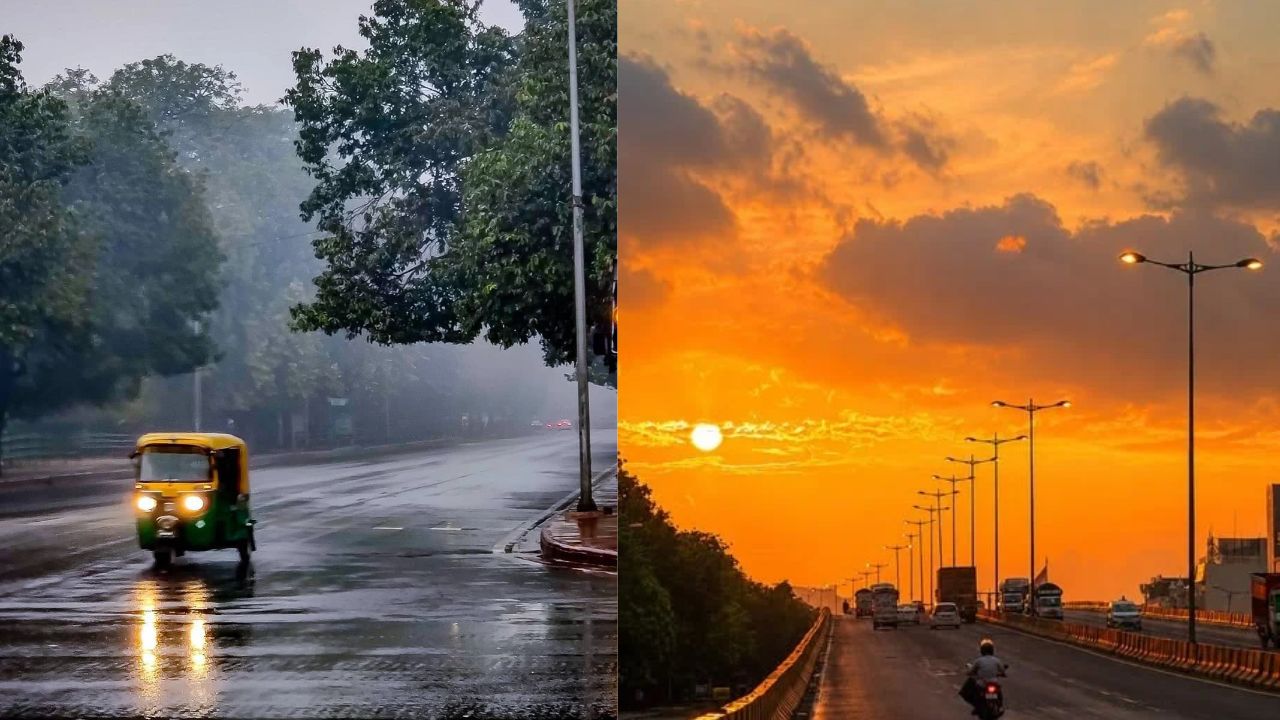
New Delhi: Winter has reached its peak in North India. Dense fog is blanketing the region from Jammu to Uttarakhand, Delhi, Uttar Pradesh, Punjab, and Haryana during the night and morning hours. Visibility has dropped to less than 50 meters in many areas, severely disrupting daily life. Road, rail, and air traffic are directly affected by the fog.
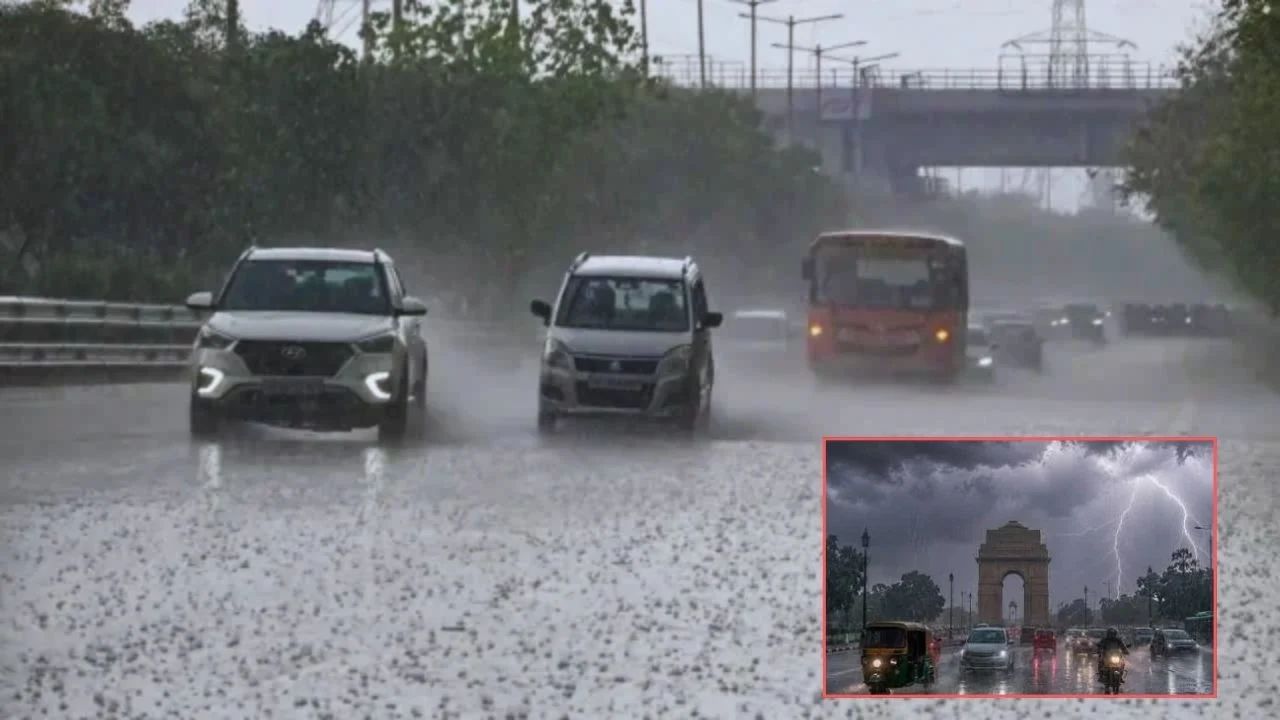
Due to the dense fog, motorists are facing significant difficulties in many places. Vehicles were seen crawling on national and state highways, while several trains were running slowly, and some flights have also been delayed. The administration has advised people to avoid unnecessary travel during the morning and late night hours.
According to the India Meteorological Department (IMD), dense to very dense fog conditions will persist in many parts of North, Central, and East India until December 31st. Extremely dense fog is likely during the night and morning hours in Uttar Pradesh, Haryana, Chandigarh, and Punjab. The meteorological department has issued a warning to remain vigilant.
The effects of the fog are also clearly visible in Himachal Pradesh and Uttarakhand. An orange alert has been issued for extremely dense fog in some areas of Himachal Pradesh. Visibility is expected to remain very low for the next four days in areas around the Bhakra Dam. A yellow alert has been declared in Una, Hamirpur, and Fatehpur.
A cold wave has gripped Punjab and Haryana. The minimum temperature in Gurdaspur, Punjab, was recorded at 5.3 degrees Celsius, while in Faridkot, the mercury dropped to 5.5 degrees. In Narnaul, Haryana, the temperature fell to 5.4 degrees. Chandigarh also experienced the effects of the cold, with a minimum temperature of 10.2 degrees.
Unlike Punjab and Haryana, the intensity of the cold has decreased somewhat in the Kashmir Valley. Following recent snowfall and rain, the presence of clouds has led to an increase in minimum temperatures. Srinagar recorded a minimum temperature of 3 degrees Celsius, which is above normal. However, colder conditions persist in higher altitude areas like Gulmarg and Pahalgam.
The effects of the cold wave have also been felt in South India. In Ooty, a popular hill station in Tamil Nadu, the temperature dropped to one degree below freezing, causing discomfort to locals and tourists alike.
The Meteorological Department has advised people to be cautious due to dense fog and cold wave conditions. Elderly people, children, and those with health conditions have been urged to take extra precautions.