 English
 English

India’s Stand on Russian Oil and U.S. Trade Deal
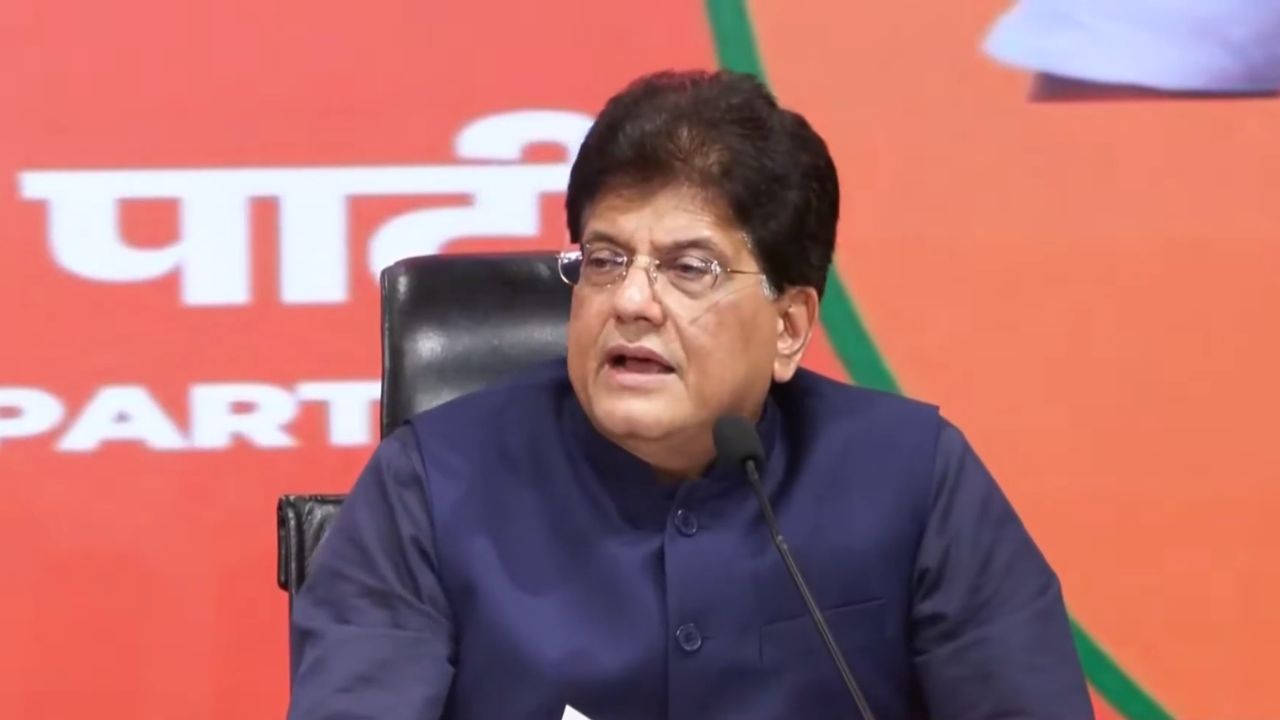
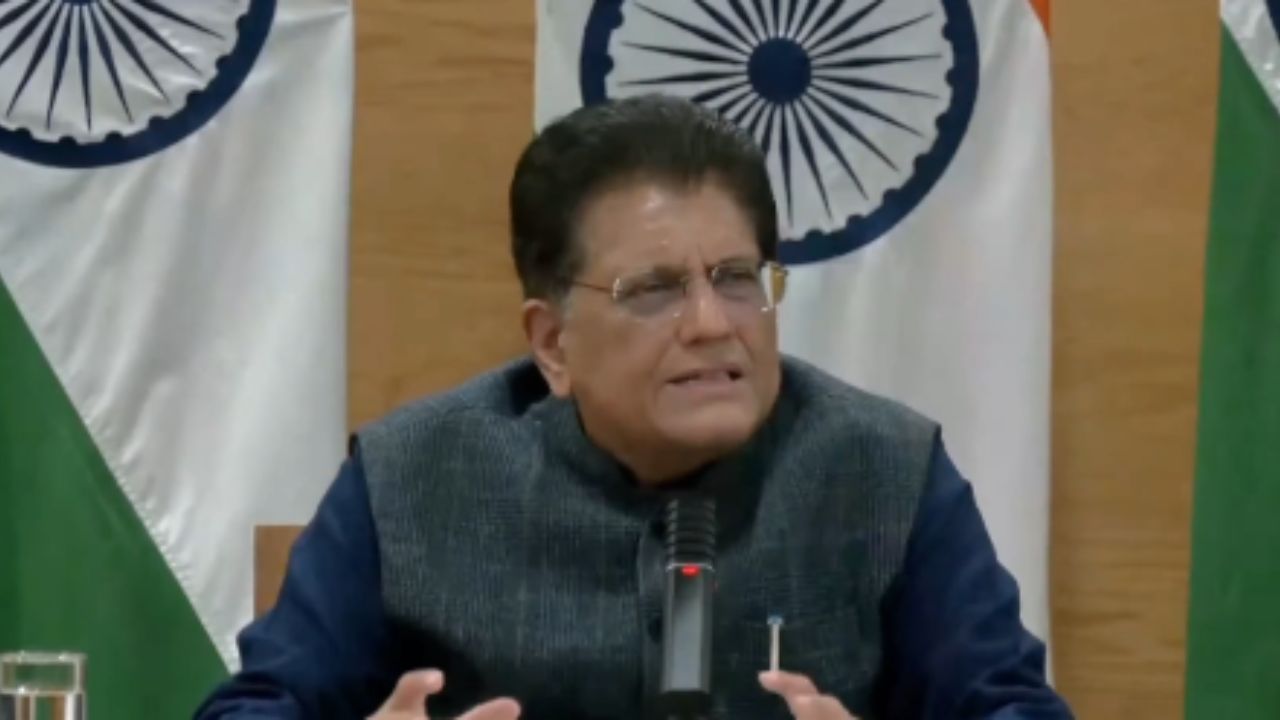
New Delhi: As speculation grows over whether India will stop buying crude oil from Russia following a potential trade deal with the United States, Union Commerce and Industry Minister Piyush Goyal has avoided giving a direct answer.
Addressing the issue, Goyal said that matters related to foreign policy and energy diplomacy fall under the jurisdiction of the Ministry of External Affairs, which would be the appropriate authority to respond.
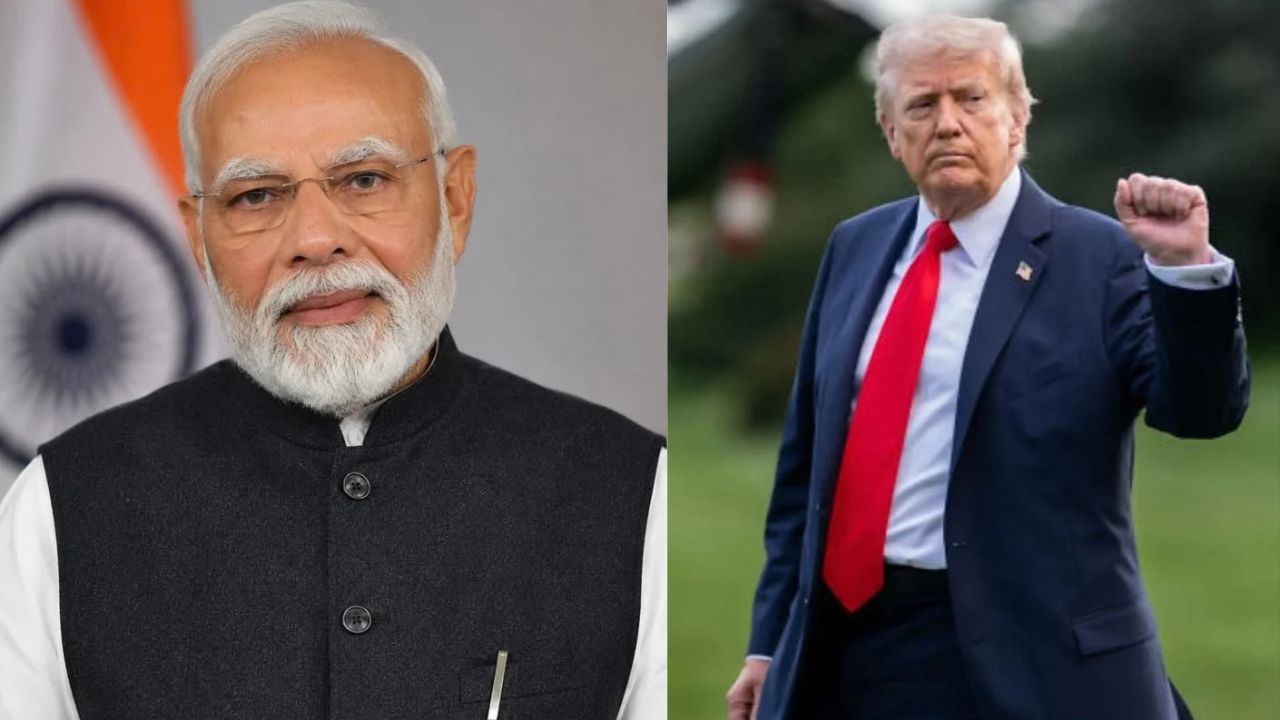
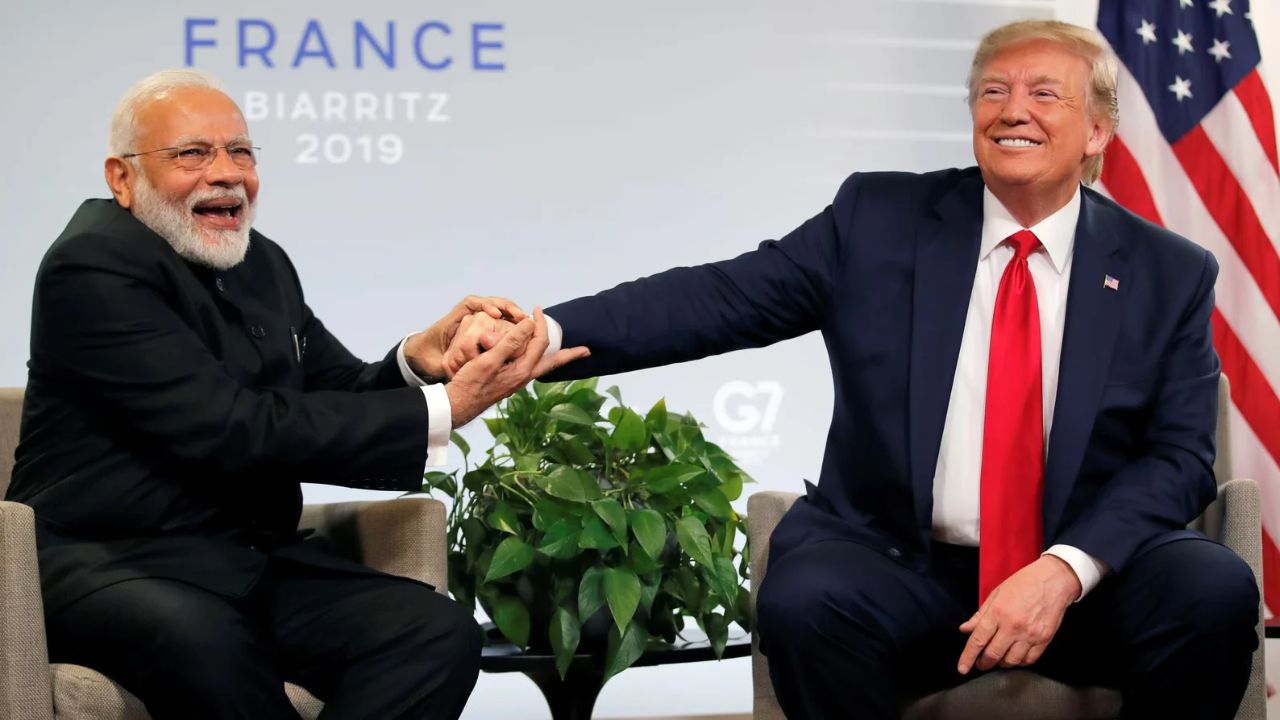
The discussion gained momentum after U.S. President Donald Trump claimed in a social media post on Monday that India would stop purchasing oil from Russia as part of a deal with the United States.
However, the Indian government has not officially responded to this claim so far. According to media reports citing official sources, India’s decisions on oil procurement will continue to be guided by national interest and domestic requirements rather than external pressure.
What India has actually conceded on agriculture in the India–U.S. trade deal?
Sources indicated that India will keep buying oil from non-sanctioned entities that offer the most competitive prices. The pricing will remain market-driven, ensuring that energy security and affordability for Indian consumers remain the top priority.
Speaking on trade issues, Piyush Goyal highlighted that India faces relatively lower tariffs from the United States compared to several other economies. He pointed out that while countries such as Vietnam and Bangladesh face tariffs of around 20 percent, Indonesia 19 percent, and China as high as 35 percent, India is in a more favorable position.
India–US Interim Trade Pact Brings Zero Duty for Several Products
Goyal emphasized that the proposed trade deal with the U.S. would not harm Indian farmers. In fact, he noted that many Indian products can be exported to the U.S. without any tariffs at all. As an example, he cited smartphones, which India can export to the American market duty-free.
The Commerce Minister made it clear that products in which India is self-reliant have been deliberately excluded from the trade agreement. These include genetically modified crops, meat, poultry, dairy products, soybeans, maize, rice, wheat, sugar, and several coarse grains such as jowar, bajra, ragi, and amaranth.
He further added that no tariff concessions have been given on fruits like bananas, strawberries, cherries, and citrus fruits. Similarly, products such as green tea, chickpeas, moong, oilseeds, peanuts, malt, malt-based products, non-alcoholic beverages, starch, ethanol, and tobacco remain protected under the deal. According to Goyal, these measures ensure that Indian farmers’ interests are fully safeguarded.
Goyal also mentioned that several Indian agricultural products would enjoy zero-tariff access to the U.S. market if exported. These include spices, tea, coffee, coconut, coconut oil, cashew nuts, and a variety of fruits and vegetables, offering new opportunities for Indian exporters.
Taking a swipe at the opposition, Goyal accused certain political groups of being anti-farmer and attempting to mislead the public. He said these groups were unsettled by the fact that India did not grant concessions on sensitive agricultural products under the trade deal.
Piyush Goyal calls India–US trade deal historic; Says tariff cuts to boost exports
On discussions in Parliament, Goyal said it is up to the Speaker and the Chairman to decide what should be debated. He remarked that not every issue can be read or discussed in Parliament and that some matters need to be communicated directly to the public.
He concluded by stating that the trade agreement has generated widespread optimism across sectors and would be beneficial for the Indian economy as a whole.