English
 English

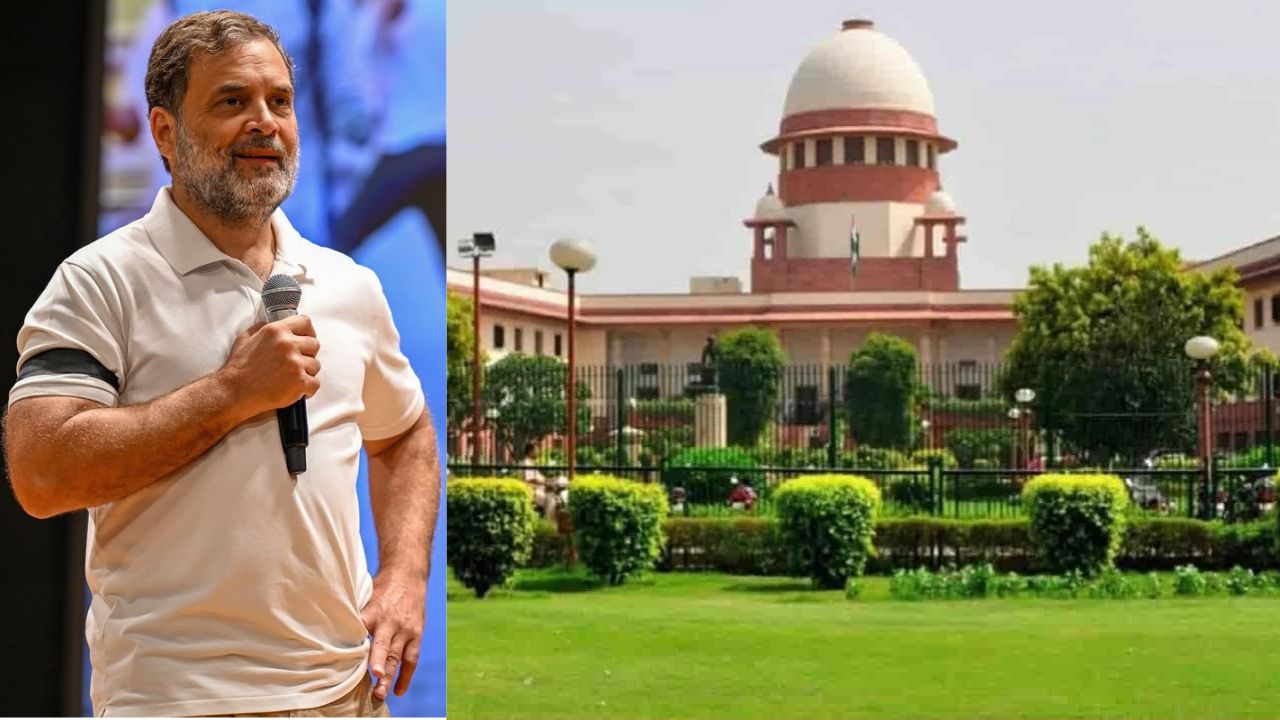
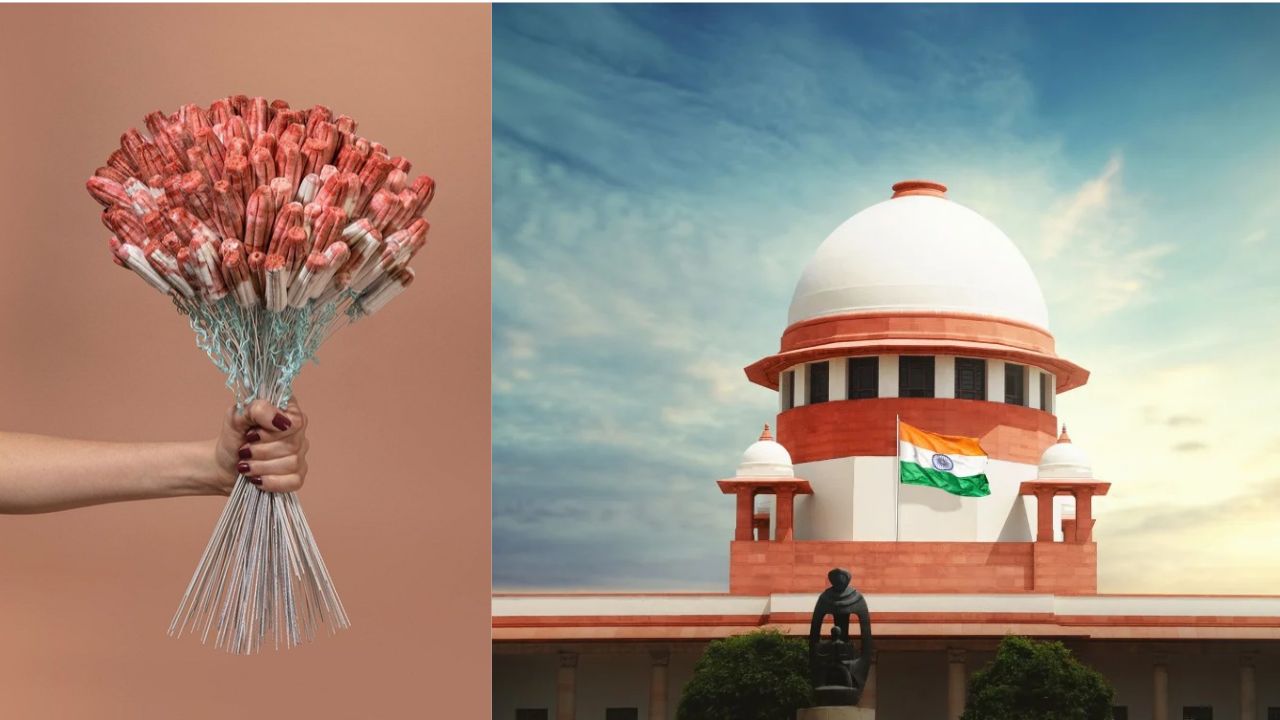
Justice Nagarathna questions ‘three-day untouchability’ (Image: Internet)
New Delhi: The Supreme Court of India on Tuesday continued hearing a batch of petitions concerning women’s entry into religious places, including the Sabarimala Temple, and broader questions around religious freedom and equality.
During the proceedings, Justice B V Nagarathna made a significant observation, questioning the logic behind practices that treat women as “untouchable” for a limited number of days each month.
Supreme Court says 9-judge bench to hear Sabarimala review from April 7
Justice Nagarathna remarked that a woman cannot be considered “untouchable” for three days and then be regarded differently immediately after. Her comments came in response to arguments around traditional practices linked to temple entry restrictions.
She clarified that such a concept raises serious constitutional concerns, particularly in the context of dignity and equality.
Appearing for the Centre, Solicitor General Tushar Mehta objected to aspects of the 2018 judgment that equated the exclusion of certain women from the temple with “untouchability” under Article 17 of the Constitution.
He argued that the restriction at Sabarimala was not based on menstruation but on a specific age group, and therefore should not be interpreted through that lens.
In 2018, a Constitution bench of the Supreme Court, in a majority ruling, struck down the long-standing practice that barred women aged 10 to 50 from entering the Sabarimala temple, calling it unconstitutional.
‘Deepam’ in TN, Sabarimala in Kerala: PM Modi’s South India poll push focuses on temple rows
Justice D Y Chandrachud, in his opinion at the time, had described such exclusion as a form of discrimination that undermines women’s dignity and reinforces patriarchal norms.
A year later, in 2019, the issue was referred to a larger bench to examine wider questions concerning the interplay between religious practices and fundamental rights across faiths.
The current matter is being heard by a nine-judge Constitution bench led by Chief Justice Surya Kant. The bench is examining complex legal questions on the scope of religious freedom and whether certain practices can be subject to constitutional scrutiny.