 English
 English

Youth Vote War Begins? PM Modi-Rahul Gandhi Face Off Over Student Issues
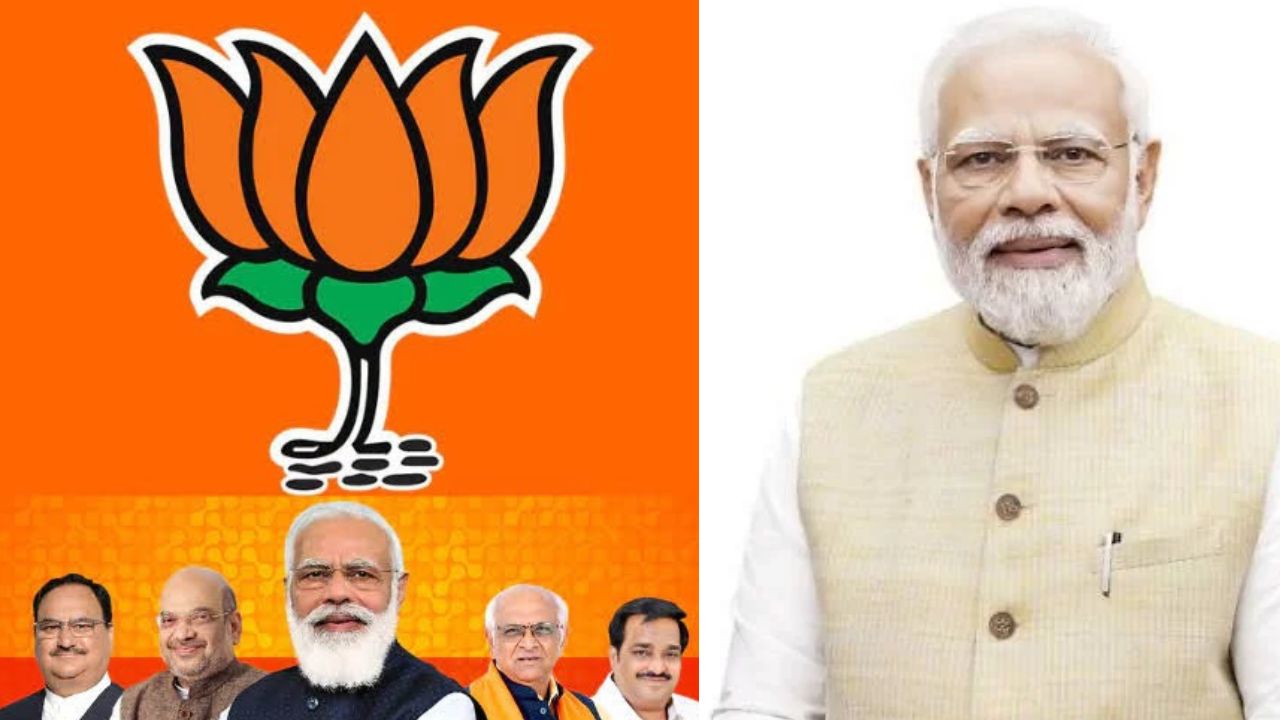
Vadodara: A new political battle erupted on Tuesday between Prime Minister Narendra Modi and Congress leader Rahul Gandhi, with the “Jhooth Ki Goonj” versus “Chhatron Ki Goonj” narrative becoming the latest flashpoint.
During his Gujarat visit, PM Modi launched a sharp attack on Opposition narratives, saying India’s youth will reject misleading campaigns and choose the path of truth, progress and development.
The remark came at a time when Rahul Gandhi’s “Chhatron Ki Goonj” campaign has been focusing on student concerns, education challenges, examination issues and employment opportunities, turning youth issues into a major political battleground.
Addressing a massive gathering in Vadodara, Prime Minister Narendra Modi highlighted India’s development journey while taking a swipe at what he described as attempts to spread false narratives.
Without directly naming Rahul Gandhi, PM Modi’s “Jhooth Ki Goonj” remark was seen as a response to Opposition campaigns targeting the government on issues related to students and young voters.
The statement quickly gained political attention, with supporters and critics debating whether the youth narrative has become the next major battlefield between BJP and Congress.
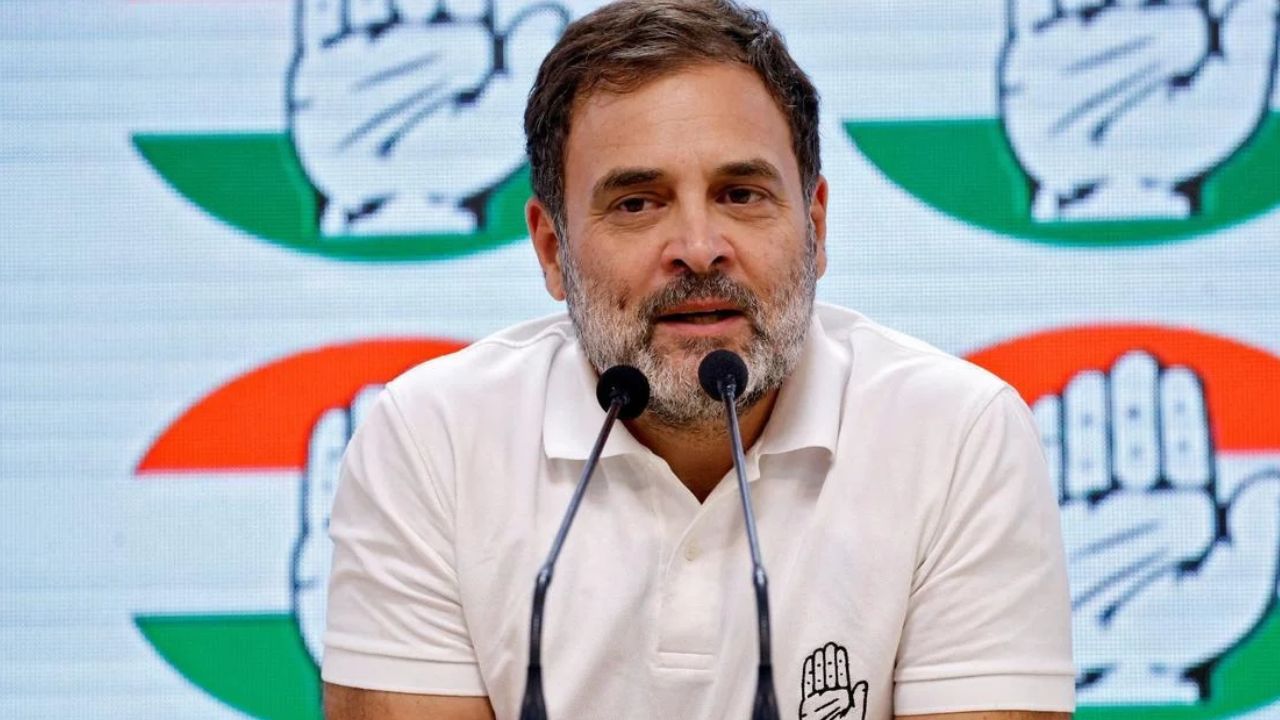
On the other side, Rahul Gandhi’s “Chhatron Ki Goonj” campaign has attempted to bring student concerns into the political spotlight. The Congress has been highlighting issues such as competitive exam challenges, recruitment delays, education-related concerns and opportunities for young Indians.
The campaign reflects Rahul Gandhi’s strategy of connecting with students and first-time voters by focusing on issues directly affecting their future.
The latest exchange between PM Modi and Rahul Gandhi highlights the growing importance of young voters in Indian politics. With millions of young Indians entering the workforce every year, employment, skill development, education quality and technology opportunities have become key political talking points.
Both BJP and Congress are trying to shape the narrative around who can better represent the aspirations of India’s youth.
While his political message attracted attention, PM Modi’s Gujarat visit also focused heavily on development projects. At the Vadodara event, the Prime Minister inaugurated and laid the foundation stone of projects worth more than Rs 35,000 crore.
The projects covered sectors including railways, highways, infrastructure, energy and industrial development.
A major highlight was the Western Dedicated Freight Corridor, which PM Modi presented as a symbol of India’s modern logistics transformation.
PM Modi highlighted the importance of dedicated freight infrastructure and explained how advanced transportation networks can boost manufacturing and economic growth.
He said projects like the freight corridor would improve connectivity, reduce logistics costs and strengthen India’s journey towards becoming a developed economy. The infrastructure push became an important part of the Prime Minister’s larger message of growth and future opportunities.
Beyond political criticism, PM Modi focused on preparing India’s youth for the future economy. He stressed the importance of Artificial Intelligence, digital skills and innovation, saying technology will transform sectors such as healthcare, agriculture, manufacturing and entrepreneurship.
The Prime Minister also highlighted the need for skill-based learning, suggesting that future opportunities would depend not only on degrees but also on practical abilities.
The latest political clash represents two different approaches to attracting young voters. The BJP is highlighting infrastructure, technology, investment and development initiatives as its message for the future.
Meanwhile, Congress is focusing on student concerns, unemployment debates and accountability on education-related issues. The battle over youth aspirations is expected to continue as both parties strengthen their outreach strategies.
The phrases “Jhooth Ki Goonj” and “Chhatron Ki Goonj” have gained traction online, becoming part of the larger political conversation. Supporters of both parties have pushed their respective narratives on social media platforms, turning the verbal exchange into a wider digital debate. The growing online discussion shows how political messaging is increasingly shaped by slogans, campaigns and youth engagement.
The Modi-Rahul political face-off is likely to intensify as both leaders continue targeting young voters. With education, employment, technology and development emerging as major themes, the youth narrative could play a crucial role in shaping future political battles.
The “Jhooth Ki Goonj” versus “Chhatron Ki Goonj” debate has added a new chapter to the ongoing BJP-Congress rivalry, with both sides preparing to take their messages directly to voters.