 English
 English

Barapullah Phase-III flyover faces traffic bottlenecks days after opening as Delhi government and AAP clash over its design. (Images: X)
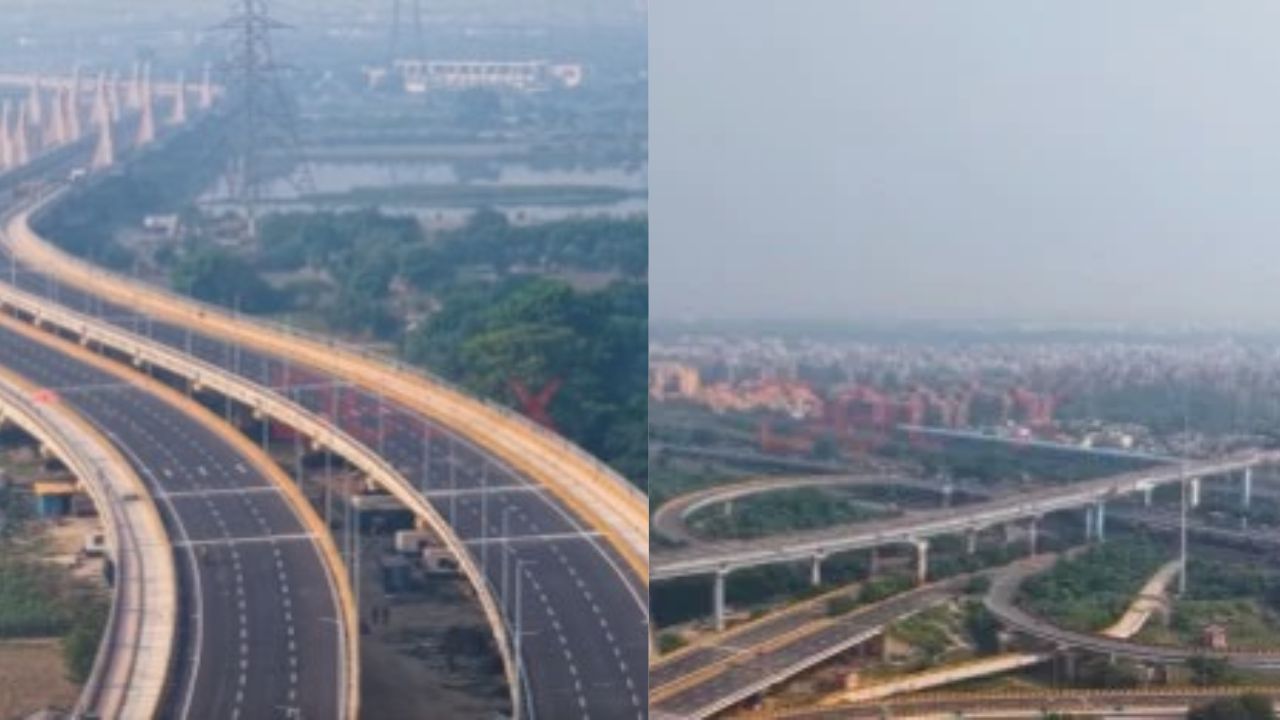
New Delhi: Delhi’s Barapullah Phase-III flyover has become the centre of a political and traffic controversy just days after opening to the public. What was projected as a major route to ease congestion has instead faced bottlenecks, prompting questions over its design and the traffic arrangements at a key merging point.
Delhi PWD Minister Parvesh Verma has defended the government’s handling of the situation while shifting responsibility for the flyover’s original design to the previous Aam Aadmi Party government.
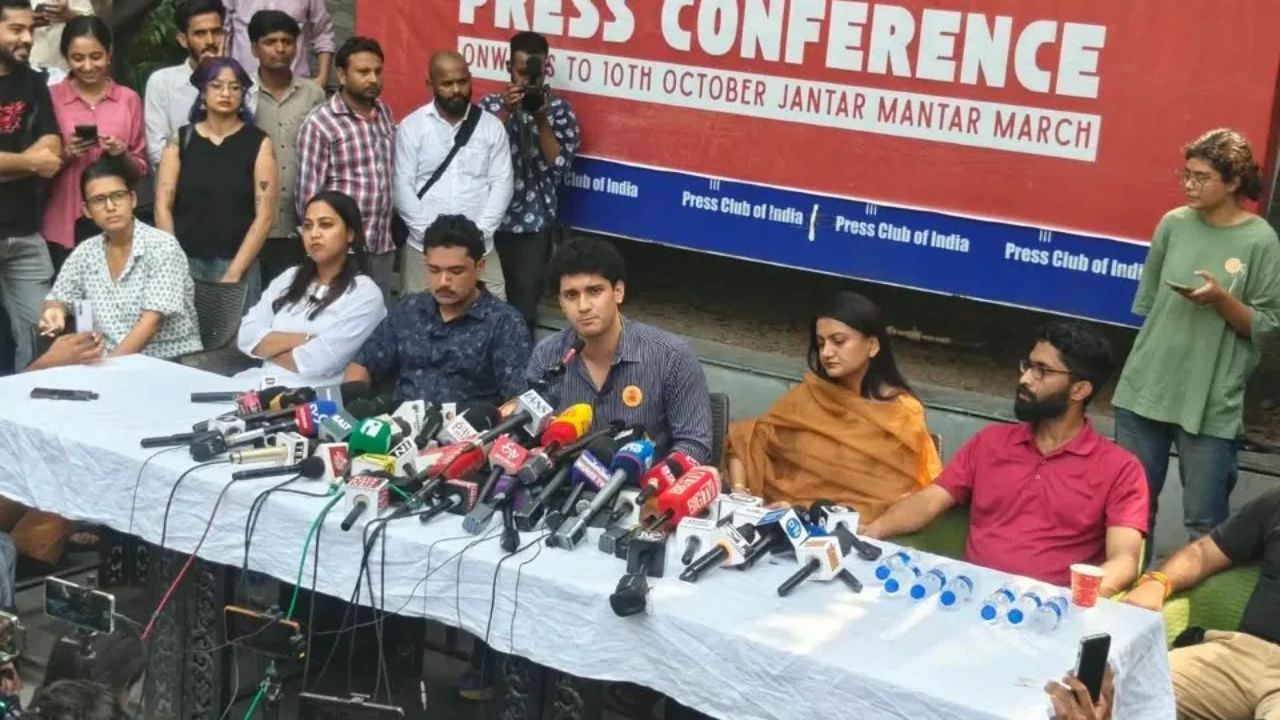
Speaking at a press conference, Verma argued that the design now facing criticism was finalised during the earlier government’s tenure. He said the Barapullah Phase-III project dates back to 2015 and claimed that key design decisions had already been taken in 2014-15.
Verma said the number of lanes and other major features of the project were determined during the previous administration. He accused the AAP and Opposition leaders of creating a political controversy around an issue whose history, according to him, was being overlooked.
PWD minister launched a sharp political attack on the Aam Aadmi Party during the press conference, accusing it of presenting false claims as facts. His remarks came amid criticism from opposition leaders over the traffic chaos following the flyover’s opening. Verma maintained that the government was aware of the congestion and was working with relevant departments to address the immediate problem.
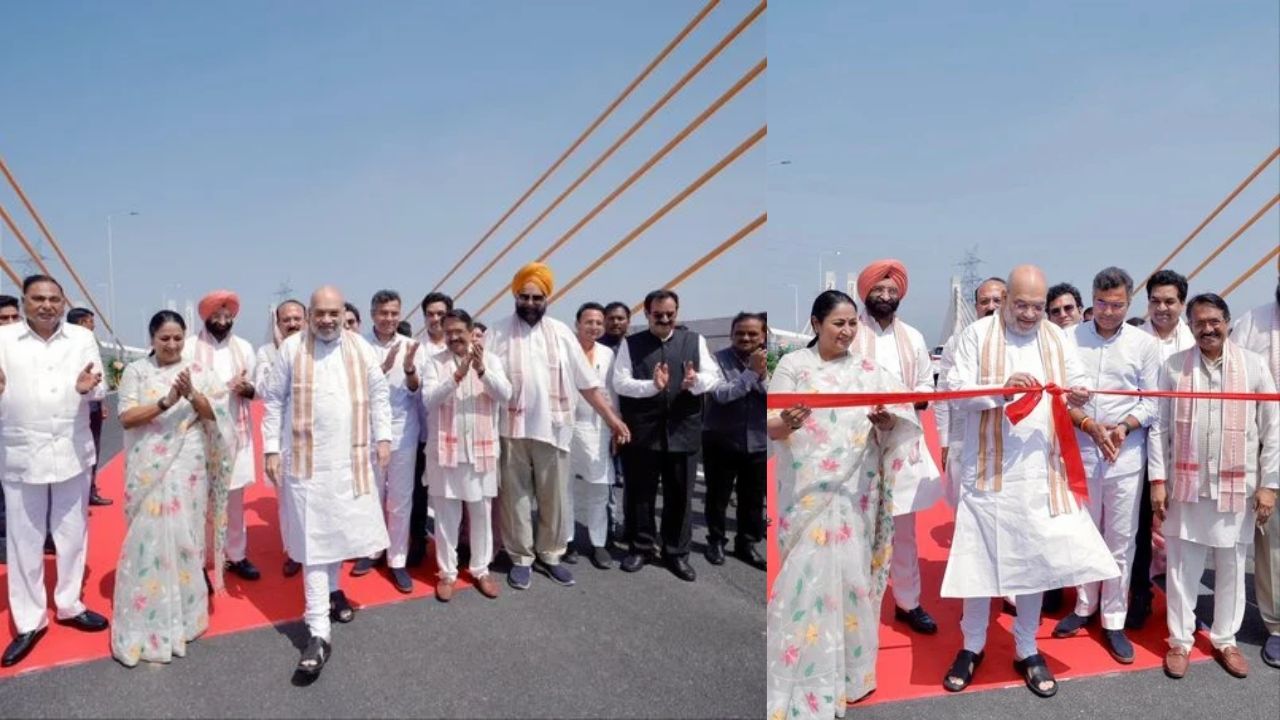
The 3.5-km, three-lane Barapullah Phase-III corridor was opened to traffic on September 30, following its inauguration a day earlier. The project was intended to create a signal-free connection between Mayur Vihar and Sarai Kale Khan while easing pressure on important routes, including NH-24, the DND Flyway and Ring Road.
However, traffic movement soon became a challenge with heavy congestion reported around a key merger point near Sundial Park.
A joint inspection involving Delhi Traffic Police and PWD officials identified the merger near Sundial Park as a major bottleneck. The new three-lane corridor converges with traffic from other approaches before vehicles enter a narrower portion of the existing Barapullah corridor. According to the concerns raised by the Traffic Police, the alignment and difference in lane capacity are contributing to difficulties in traffic flow.
The Traffic Police has asked the PWD to examine changes to the merger, including replacing the sharper alignment with a smoother curve to enable vehicles to merge more gradually.
Verma said the government was focusing on short-term traffic management while discussions continued between the concerned departments over a longer-term engineering solution. He said efforts were currently centred on diverting and distributing traffic to reduce pressure at the problematic stretch. The controversy has now put the spotlight on both the flyover’s original design and the planning required to integrate the new corridor with existing roads.
The traffic disruption has triggered a political exchange between the ruling BJP and AAP, with the opposition questioning the project’s design and the government highlighting its earlier approval timeline.
While the Delhi government has said it is working on traffic-management measures, the proposed changes at the merger point could determine whether the Barapullah Phase-III corridor delivers the congestion relief for which it was built.