 English
 English
New Delhi: The political temperature in Uttar Pradesh has started rising as parties prepare for the 2027 Assembly elections, setting the stage for one of the biggest electoral battles in India. The country’s most populous state, with 403 Assembly constituencies and 80 Lok Sabha seats, is once again expected to become the centre of national politics.
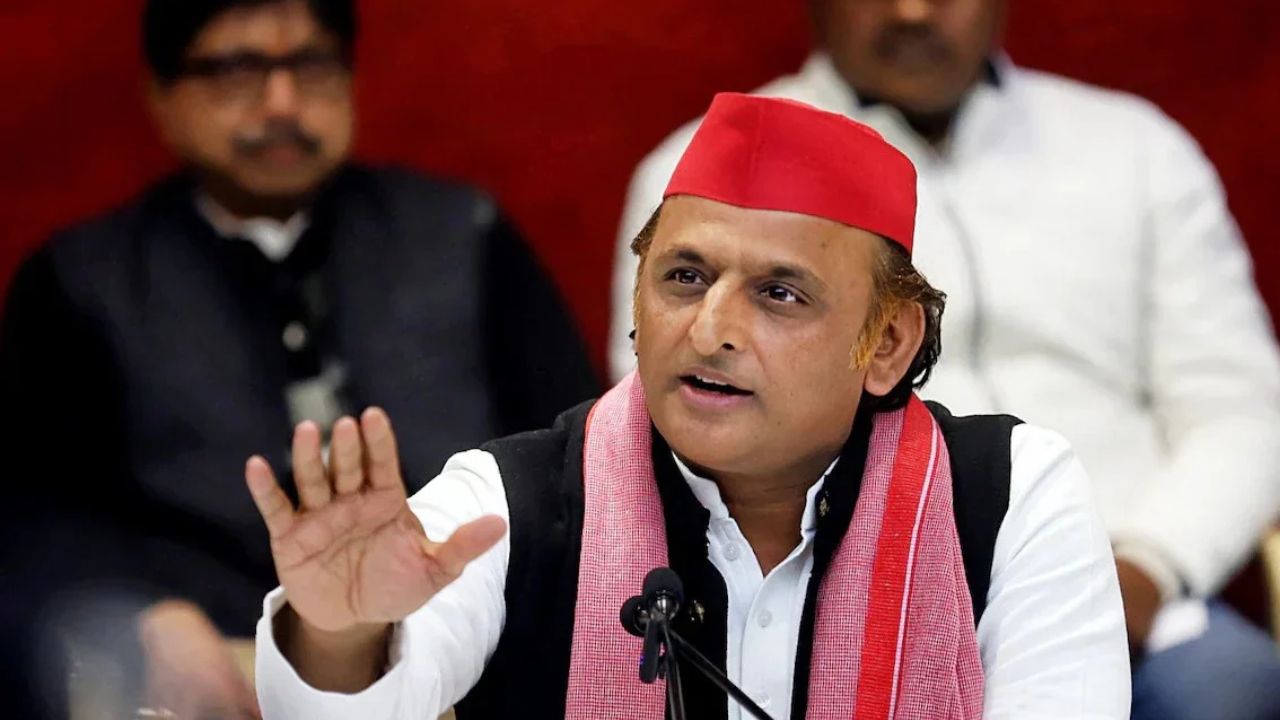
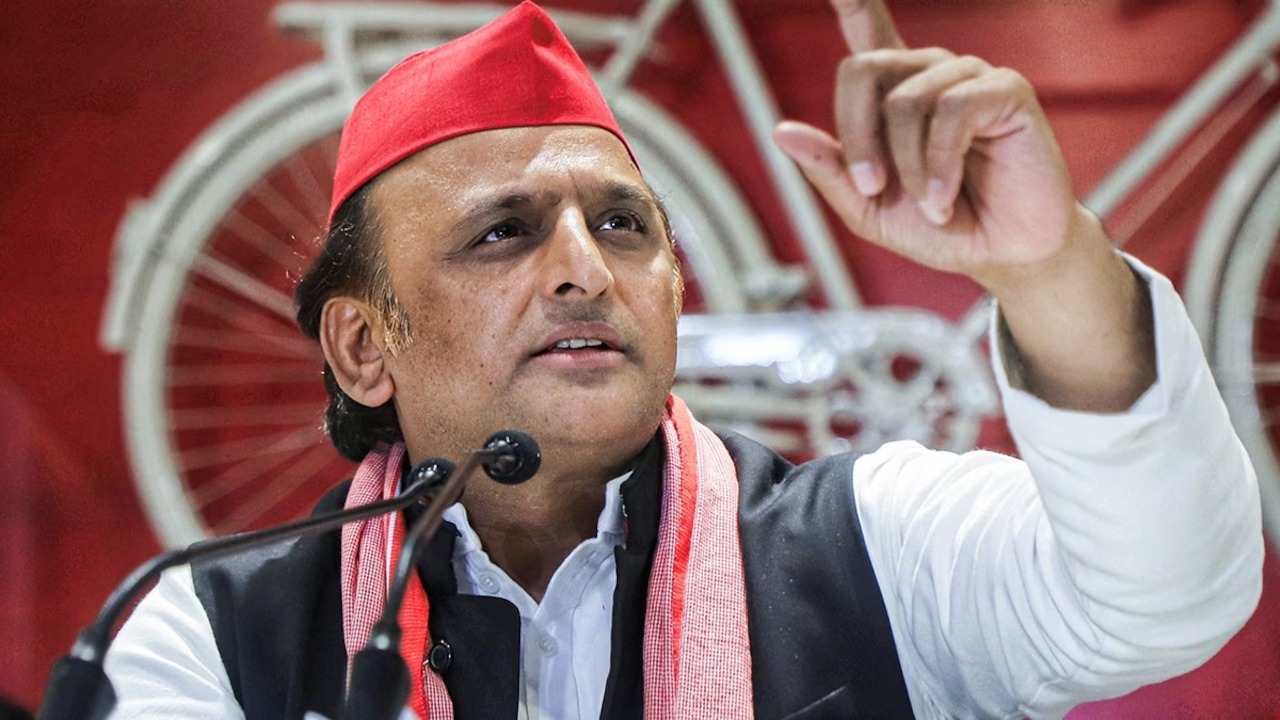
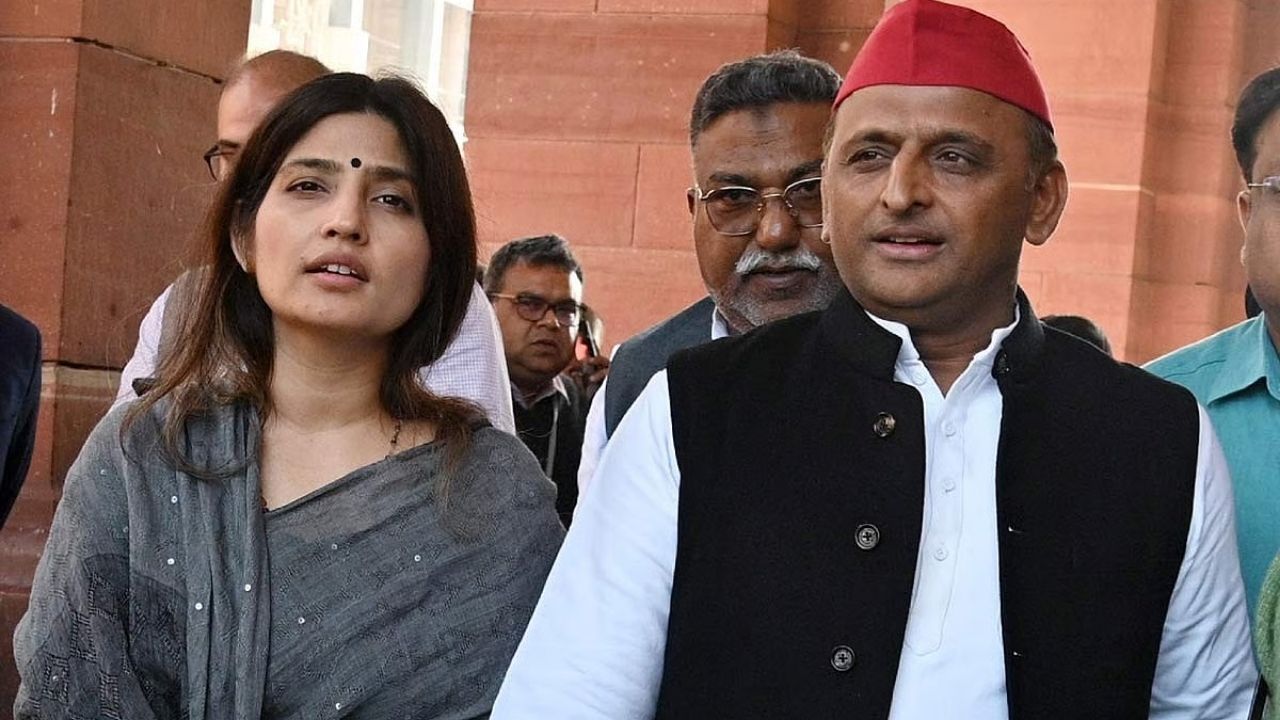
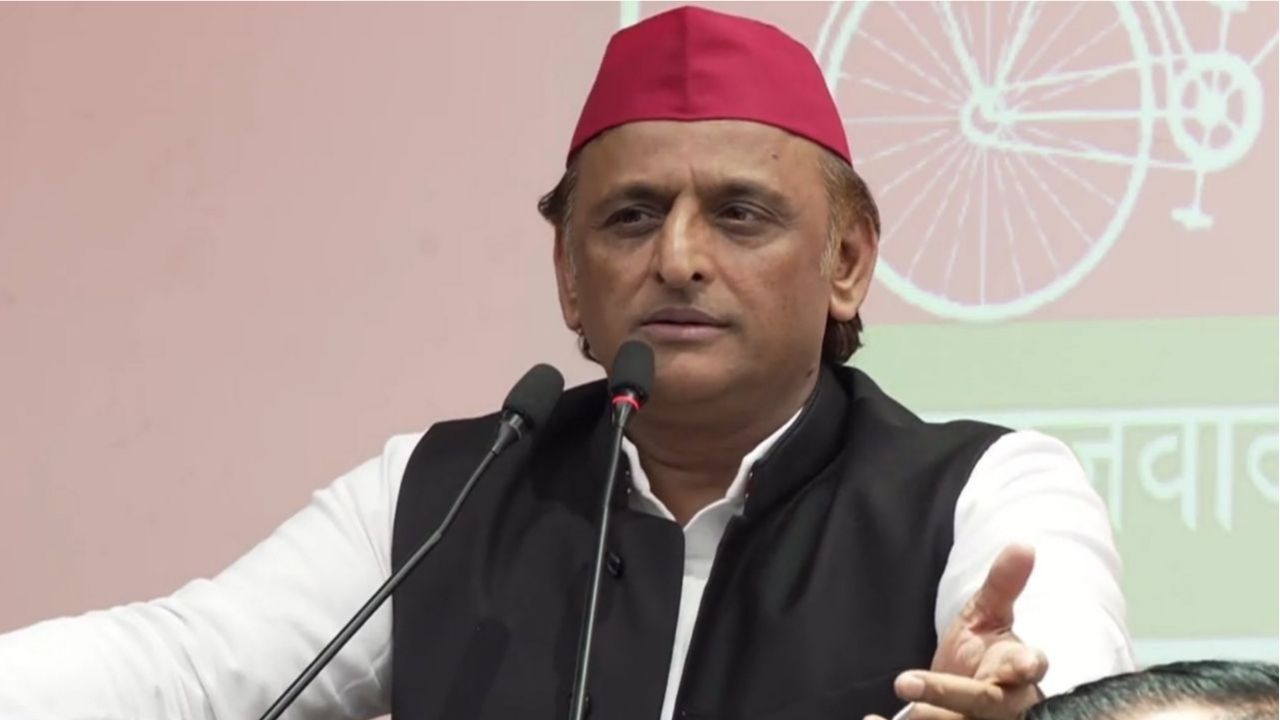
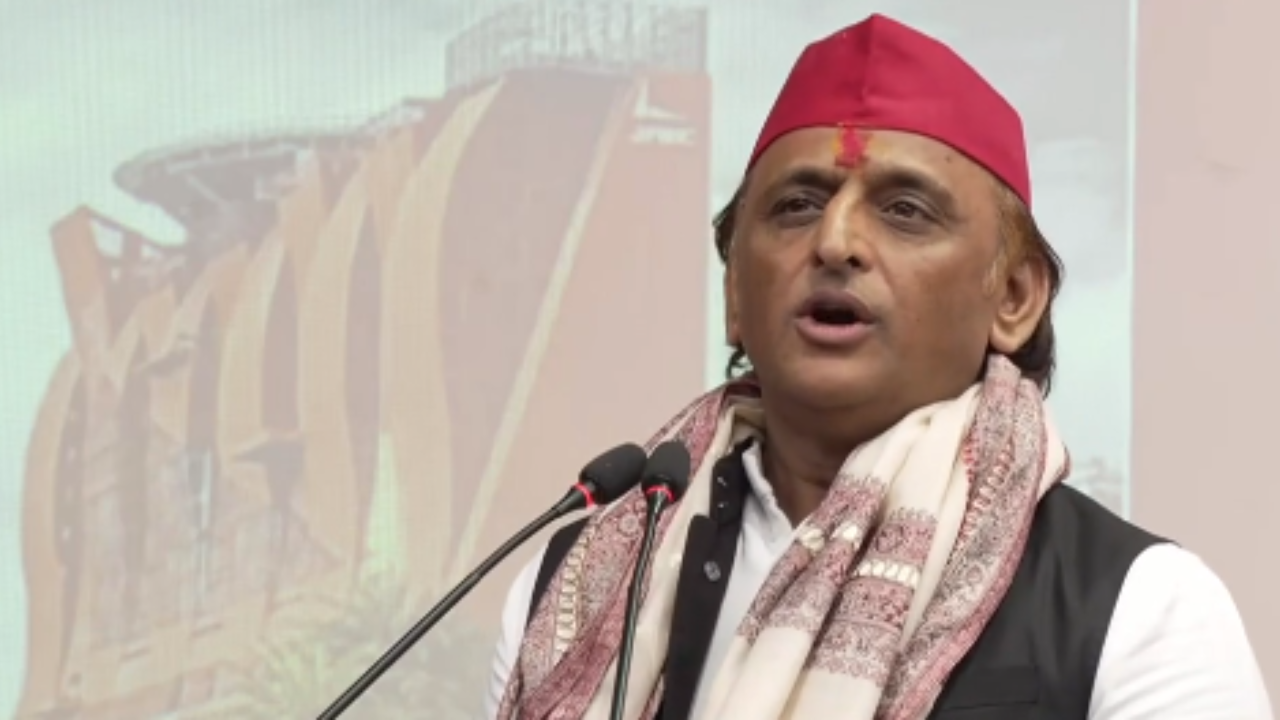
The upcoming Uttar Pradesh election is shaping up as a direct contest between the Bharatiya Janata Party and the Samajwadi Party, with Chief Minister Yogi Adityanath and former Chief Minister Akhilesh Yadav emerging as the two major political faces.
While the BJP is preparing to seek another mandate by highlighting governance, development projects, welfare schemes and law-and-order achievements, the Samajwadi Party is working to build a stronger opposition narrative based on employment, inflation, farmers’ issues and social representation.
The biggest political question now is clear: Will Yogi Adityanath’s election strategy help BJP retain power in Lucknow, or will Akhilesh Yadav successfully block the BJP’s winning road?
In the latest episode of Dynamite Debate, Dynamite News Editor-in-Chief Manoj Tibdewal Aakash analysed the changing political landscape of Uttar Pradesh along with Executive Editor Subhash Raturi, journalist Maj Alam and correspondent Rohit Goyal, who is currently travelling across Uttar Pradesh as part of the election journey.
The discussion focused on the political mood of voters, ground realities across 75 districts and the changing equations across all 403 Assembly seats.
The debate attempted to answer some of the biggest questions surrounding the 2027 election — what is the mood among Uttar Pradesh voters, what issues will dominate the campaign and which political strategy can influence the final outcome.
Uttar Pradesh has always held a special position in Indian politics. The state’s huge population, diverse social structure, strong rural base and massive youth population make every election in UP politically significant.
The saying that the road to Delhi passes through Uttar Pradesh continues to define the importance of the state’s elections. The 2027 Assembly election will not only decide the next government in Lucknow but may also influence the broader political direction of the country in the coming years.
Political parties understand that winning Uttar Pradesh requires managing regional issues, caste equations, youth expectations and local development concerns across different parts of the state.
Chief Minister Yogi Adityanath has already intensified his public outreach programme, visiting different districts and interacting with people ahead of the election.
His campaign strategy appears focused on highlighting the achievements of the BJP government, including infrastructure expansion, investment initiatives, welfare schemes, religious tourism projects and improved administrative control.
The BJP is expected to present the Yogi government’s tenure as a period of transformation for Uttar Pradesh, arguing that the state has moved towards a new development model. The party’s message is likely to revolve around the contrast between Uttar Pradesh before 2017 and the changes introduced after BJP came to power.
After nearly a decade of BJP rule in Uttar Pradesh, the biggest challenge before the party will be maintaining voter trust and dealing with possible anti-incumbency sentiment.
BJP leaders are expected to continue focusing on governance achievements and law-and-order improvements as major election issues. The party believes that stability, development and administrative reforms will remain strong factors in attracting voters.
However, the election will test whether these achievements are enough to overcome public concerns related to employment, inflation and rising expectations.
Law and order is expected to remain one of the most important issues in the Uttar Pradesh election. The BJP has consistently highlighted security and administrative control as key achievements, while opposition parties continue raising questions over issues affecting ordinary citizens. The political debate around law and order is likely to become sharper as both BJP and SP attempt to shape voter perception before the elections.
For Akhilesh Yadav, the 2027 election represents a major opportunity to return to power in Uttar Pradesh. The Samajwadi Party is expected to focus its campaign on employment opportunities, inflation, farmers’ problems, education, healthcare and social justice issues.
However, the biggest challenge before SP will be expanding its political base and creating a wider social coalition across regions. The party will need to strengthen its booth-level organisation and convert public dissatisfaction into electoral support.
The biggest battle ahead of the 2027 election will be fought on the ground. From western Uttar Pradesh to Purvanchal, Awadh to Bundelkhand, every region has different political priorities and voter expectations.
While some voters may focus on development, infrastructure and security, others may prioritise jobs, agriculture, prices and local issues. The final result could depend on how effectively political parties understand these changing voter priorities.
Uttar Pradesh has one of the largest young populations in the country, making youth voters a crucial factor in the 2027 election. Employment opportunities, skill development, education facilities and economic growth are expected to influence young voters.
Political parties will have to present clear strategies to address youth aspirations as digital platforms and social media continue to shape political conversations.
The Uttar Pradesh election is expected to become a battle between two political narratives. The BJP will focus on governance, development and security, while the Samajwadi Party will attempt to highlight public issues and demand political change. The success of both parties will depend on how effectively they connect with voters beyond traditional support bases.
As the countdown to the 2027 Assembly election continues, the real political battle will unfold across 75 districts and 403 constituencies of India’s most politically sensitive state.