 English
 English

Mamata Banerjee to seek legal intervention over SIR in Bengal.
Kolkata: West Bengal is witnessing an increasingly intense political atmosphere as the next assembly elections draw closer. The ruling Trinamool Congress faces a determined challenge from the BJP, while internal and external developments have added fresh layers of complexity. The suspension of a party legislator over a controversial proposal has further sharpened the debate around polarisation and voter consolidation.
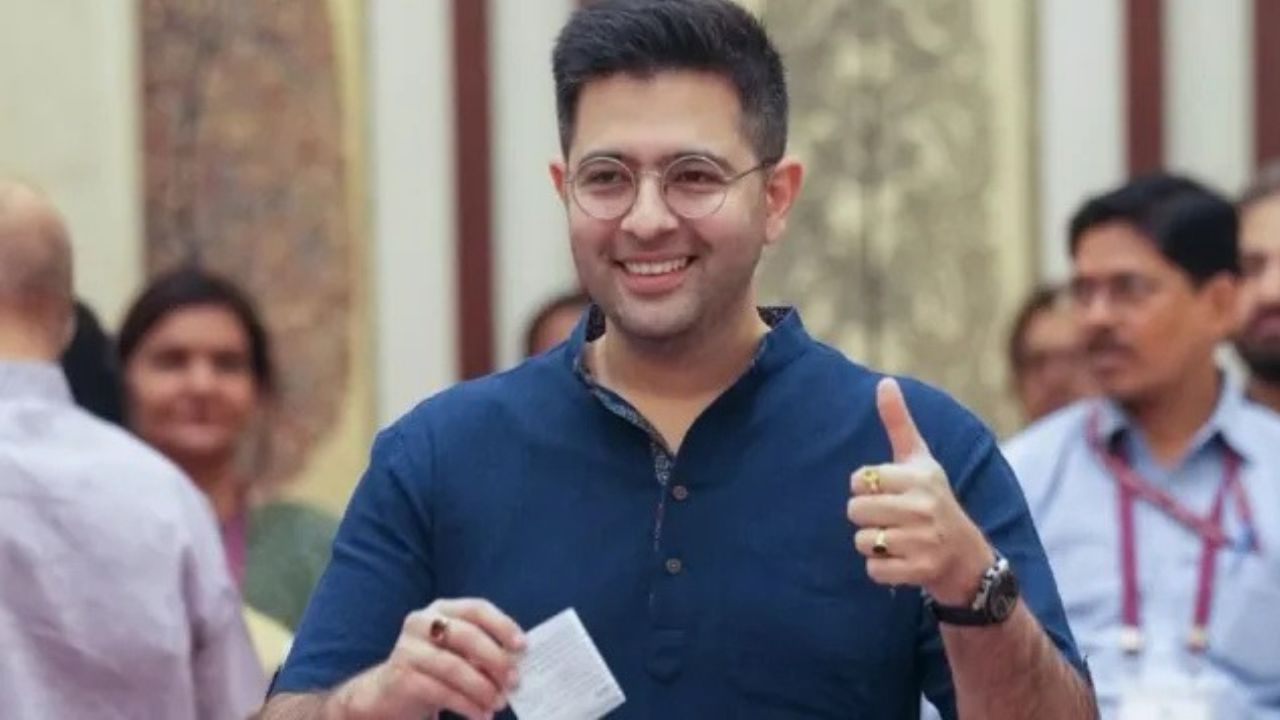
The focus has turned to Humayun Kabir, a suspended Trinamool MLA from Murshidabad district, whose recent statements and plans have stirred political reactions. Kabir, who previously belonged to the BJP before joining the Trinamool, has now announced his intention to launch a separate political outfit. He is exploring alliances with parties such as AIMIM and the Indian Secular Front, aiming to attract a segment of Muslim voters.
Trinamool leaders believe the emergence of smaller parties could divide minority votes, indirectly benefiting the BJP. To counter this possibility, the party plans to highlight Kabir past association with the BJP. The leadership has repeatedly argued that smaller identity based parties have historically weakened opposition unity in several states by splitting votes rather than challenging the BJP directly.
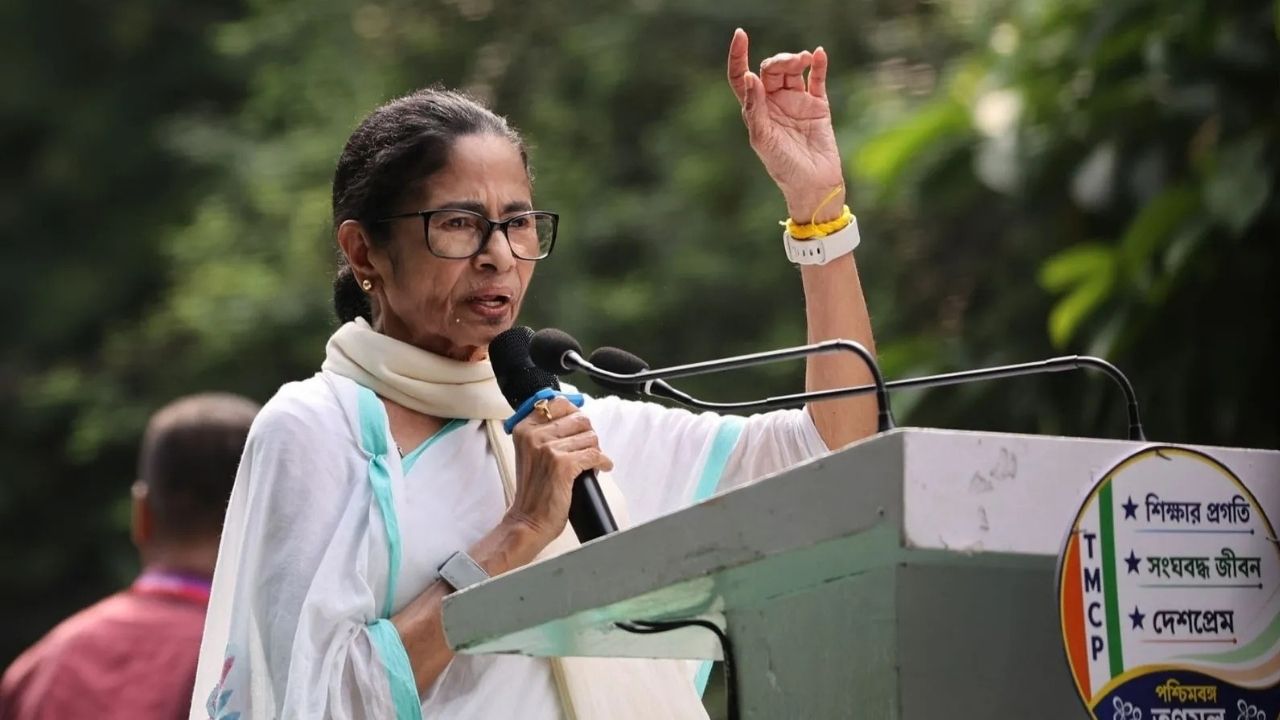
Chief Minister Mamata Banerjee has been urging voters to support the Trinamool Congress exclusively if they want to prevent a BJP victory. In her public meetings, she has cautioned against backing independent candidates or splinter groups, framing the election as a direct contest between her party and the BJP.
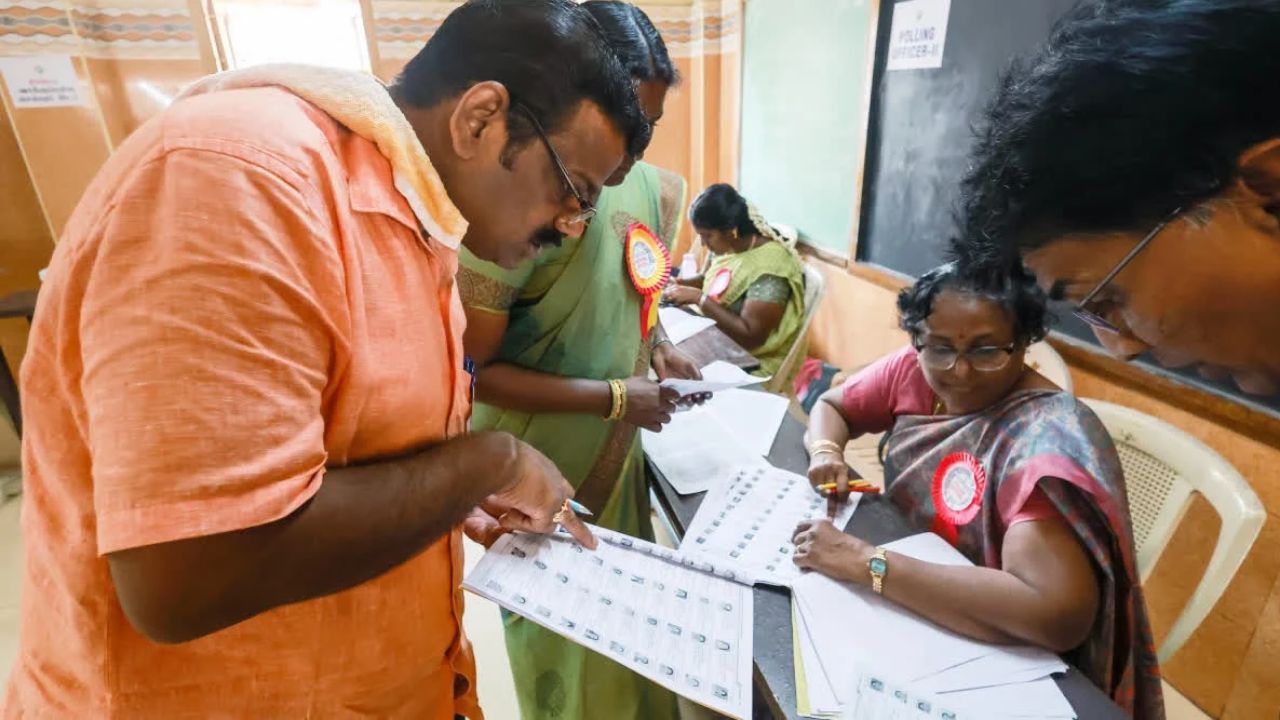
The ongoing Special Intensive Revision of voter lists has also become a major political issue. Banerjee has been touring areas with large Muslim and SC ST populations to ensure that eligible voters are not excluded. The BJP has used the revision process to highlight concerns about illegal migration, while the Trinamool argues that genuine voters are being unfairly targeted.
To neutralise polarising narratives, the Trinamool Congress is once again leaning on the theme of Bengali cultural identity. The party has positioned itself as a defender of Bengal traditions, customs and food habits. Recent local incidents are being used to argue that the BJP seeks to impose cultural uniformity that clashes with Bengal pluralistic ethos.
Beyond identity politics, the Trinamool is expected to rely heavily on welfare schemes. The Lakshmi Bhandar programme for women is likely to be expanded, reinforcing the party focus on household level economic support. Plans are also underway to hold a streamlined version of the Bengal Global Business Summit to project a balance between social welfare and economic development.
‘Remove one name from voter list, face dharna’: Mamata Banerjee on West Bengal SIR
Another consistent theme in the Trinamool campaign is its criticism of the central government over pending funds. Party leaders argue that financial constraints imposed by the Centre have affected development projects in the state, and this message is expected to form a central part of the election narrative.
Within the Trinamool, there is confidence that Kabir influence will remain limited to a few pockets of Murshidabad. Party insiders do not view him as a leader with statewide appeal. They also believe that existing minority focused parties may be reluctant to fully support another entrant competing for the same voter base.
The BJP on its part maintains that public dissatisfaction with the Trinamool government is growing. It continues to raise allegations of corruption and misgovernance, asserting that voter anger may translate into a quiet shift at the ballot box.