English
 English

Experts Advise Calm Strategy as Precious Metals See Sharp Swings
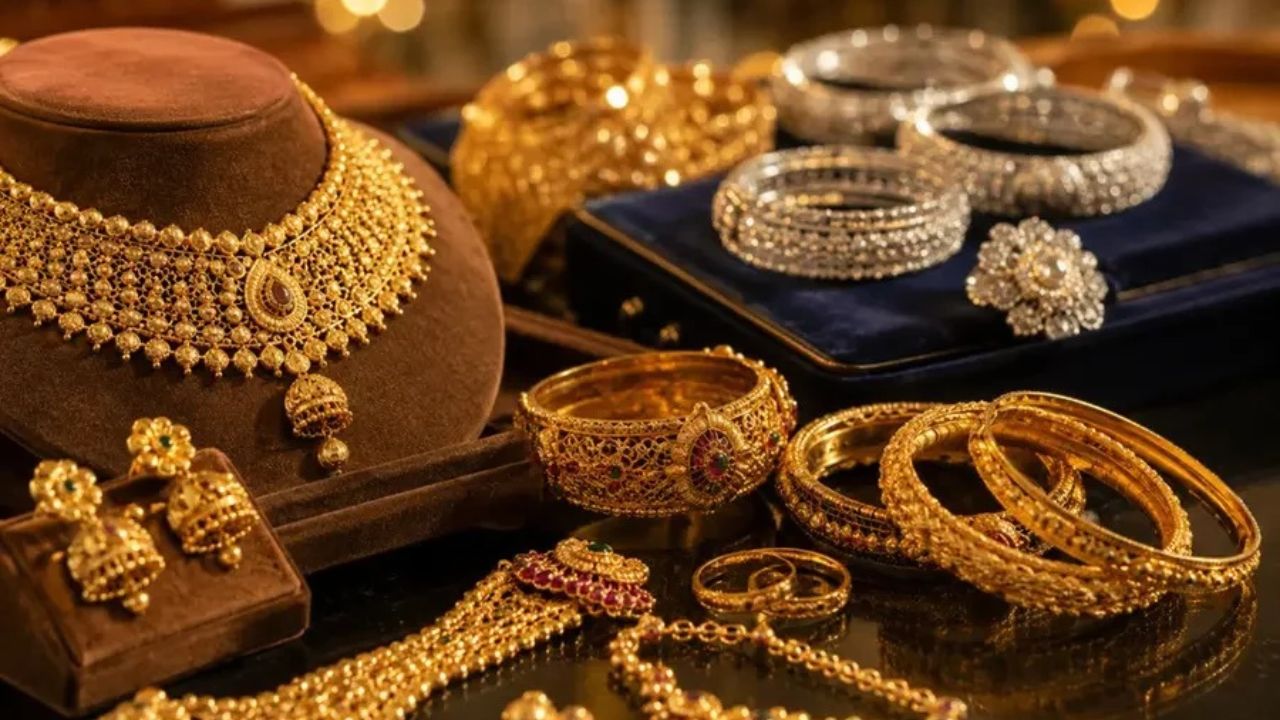
New Delhi: Gold and silver prices recently touched historic highs, providing investors with impressive returns. Within a few days, silver rose from around ₹2.70 lakh to ₹4.20 lakh per kilogram, while gold prices also recorded a sharp rise. However, the market appears to be changing direction, and prices of both precious metals are steadily declining, raising investor concerns.
Gold and Silver prices fall in early trading on MCX; Check rates here
Currently, gold and silver prices are experiencing significant fluctuations. Record highs and sudden drops - this volatility has made it difficult for investors to determine the right time to invest. Market experts believe that gold and silver may regain strength in the long term, but short-term pressure may persist. Therefore, they advise avoiding hasty, large investments.
Experts believe that the bullion market is likely to see a surge in prices in the future, especially during the festive season. Instead of panicking, investors are advised to exercise patience and limit the share of gold and silver in their portfolios to approximately 10 to 15 percent. This will balance risk and allow them to benefit from potential upside.
Gold price crashes on MCX amid profit booking and Dollar rise; Check price here
The impact of the price drop is clearly visible on silver ETFs. It is reported that silver ETFs have fallen by approximately 45 percent in just a few days. While silver was trading at approximately ₹4.20 lakh per kilogram on January 29th, it has now fallen to approximately ₹2.85 lakh. This decline could result in losses for recent investors.
Experts believe that the current decline could provide an opportunity for long-term investors, but adopting a phased investment strategy is essential. Given market volatility, gradual purchases are considered a safer option than lump-sum investments.