 English
 English

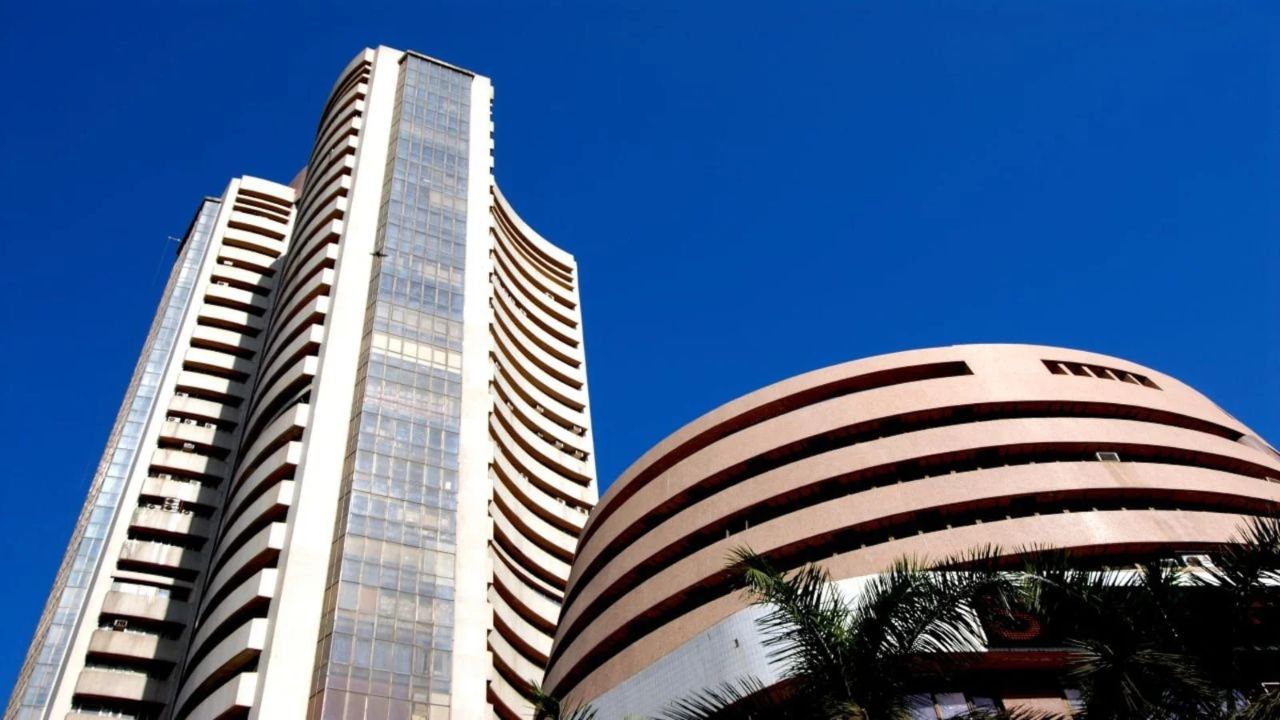
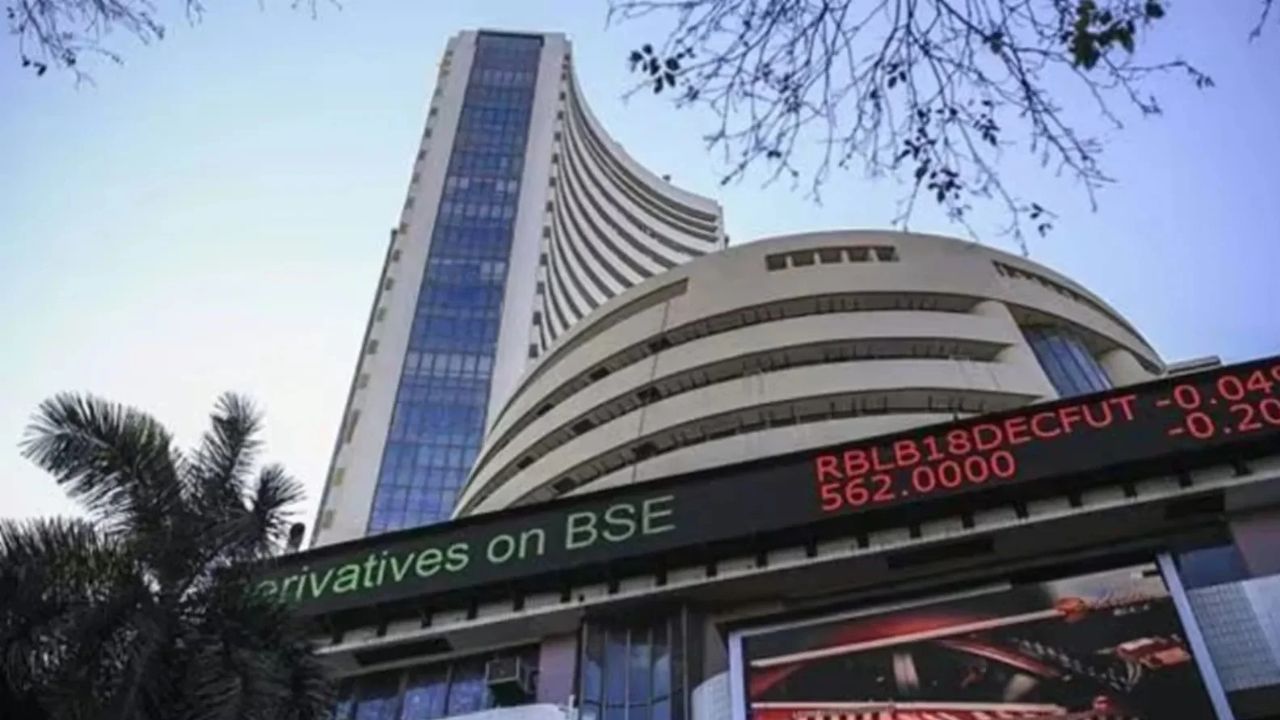
Dalal Street enters a three-day break following another volatile session on Thursday. (Img: Pinterest)
Mumbai: Indian stock market investors are heading into a three-day trading break after a bruising week saw the Sensex and Nifty extend their losing streak to eight straight weeks. The NSE and BSE will remain closed on Friday (October 2) on occasion of Gandhi Jayanti, followed by the regular weekend holiday on October 3 and 4, with trading set to resume on Monday.
The break comes after another sharp sell-off on Thursday, when both benchmark indices ended lower amid persistent foreign fund outflows, rising crude oil prices, a weaker rupee and elevated global bond yields.
The Indian stock market is closed on Friday, October 2, on account of Gandhi Jayanti. Trading will also remain suspended over the weekend, creating a three-day break for investors.
The holiday affects major market segments, including equity trading, equity derivatives, securities lending and borrowing, currency derivatives and interest-rate derivatives. Commodity derivatives trading is also closed, including both sessions of the Multi Commodity Exchange.
Regular trading will resume on Monday, October 5.
## Sensex, Nifty End Thursday In Red
The market holiday follows a volatile Thursday session in which selling pressure intensified across Dalal Street.
The Sensex declined 570.59 points, or 0.79 per cent, to close at 71,909.70, while the Nifty fell 198.50 points, or 0.88 per cent, to end at 22,421.95.
The Sensex had fallen as much as 1,187 points during the session before recovering some ground by the close.
Thursday marked the fourth consecutive session of losses for both benchmark indices, highlighting the persistent pressure facing the domestic market.
## Eight Straight Weeks Of Losses
The bigger concern for investors is the weekly trend.
The Sensex lost around 2.7 per cent during the week, while the Nifty declined nearly 3 per cent. With Thursday's fall, both indices extended their losing streak to eight consecutive weeks.
The prolonged decline has brought renewed attention to the combination of foreign fund selling, global interest rates, crude oil prices, currency weakness and uncertainty surrounding the broader economic outlook.
The broader market also remained under pressure, with mid-cap and small-cap indices declining during Thursday's session.
## Why Are Indian Markets Under Pressure?
A combination of domestic and global factors has weighed on investor sentiment.
Persistent foreign fund outflows have remained one of the key concerns for Indian equities. At the same time, elevated US Treasury yields have supported the dollar and increased pressure on emerging-market assets.
Rising crude oil prices have added another concern for India, which depends heavily on imports to meet its energy requirements. Higher oil prices can increase the country's import bill and put additional pressure on the rupee.
The combination of a stronger dollar, expensive crude, foreign outflows and higher global yields has created a challenging backdrop for Indian markets.
## Rupee Weakens Further
The currency market has also added to investor concerns.
The rupee ended Thursday at around 96.32 against the US dollar, weakening by nearly 50 paise from its previous close of 95.82.
The currency came under pressure from a stronger dollar, elevated global bond yields, crude oil prices and continued foreign fund outflows.
A weaker rupee is closely watched by investors because it can increase the cost of imports and influence inflation, corporate margins and the country's external balances.
## Bond Yields Add To Market Pressure
Pressure was also visible in the government bond market.
The benchmark 10-year government bond yield rose by around three basis points on Thursday to approximately 7.21 per cent, moving close to a two-and-a-half-year high.
The yield climbed nearly 10 basis points during the week, reflecting the broader pressure in the fixed-income market.
Higher bond yields can influence borrowing costs across the economy and remain an important indicator for investors tracking interest rates, inflation and liquidity.
## What Investors Will Watch On Monday
The three-day break gives investors some breathing space after a volatile week, but several market triggers will remain in focus when trading resumes.
Global bond yields, crude oil prices, foreign institutional flows, the US dollar and rupee movement are likely to remain important drivers of sentiment. Investors will also keep an eye on the upcoming corporate earnings season and monetary policy developments.
Technically, the Nifty is trading near important long-term support levels after falling below key moving averages. The 22,000-22,200 zone will remain important, while 22,500-22,600 could act as an immediate hurdle.
The recent decline has also pushed the market into oversold territory, raising the possibility of a technical rebound. However, sustained buying would be required for any recovery to gain strength.
## When Will The Stock Market Reopen?
The NSE and BSE will remain closed on Friday, October 2, Saturday, October 3 and Sunday, October 4.
Trading will resume on Monday, October 5.
Investors returning to Dalal Street will be watching whether the market can break its prolonged losing streak or whether global and domestic pressures continue to weigh on sentiment.
The next major market holiday in October will be October 20 for Dussehra. Further trading holidays are scheduled later in November and December.
## What Happens Next?
The three-day break comes at a critical juncture for Indian equities after eight consecutive weeks of losses. When trading resumes on Monday, investors will be watching global cues, crude oil prices, the rupee, bond yields and foreign fund flows for direction.
For now, the market's focus remains firmly on whether the prolonged sell-off is nearing a turning point or whether volatility will continue when Dalal Street reopens.