 English
 English

The Bombay High Court overturned Tarun Tejpal's acquittal in the 2013 Goa sexual assault case. It also imposed fines exceeding Rs 10 lakh and directed that all prison terms would run concurrently.
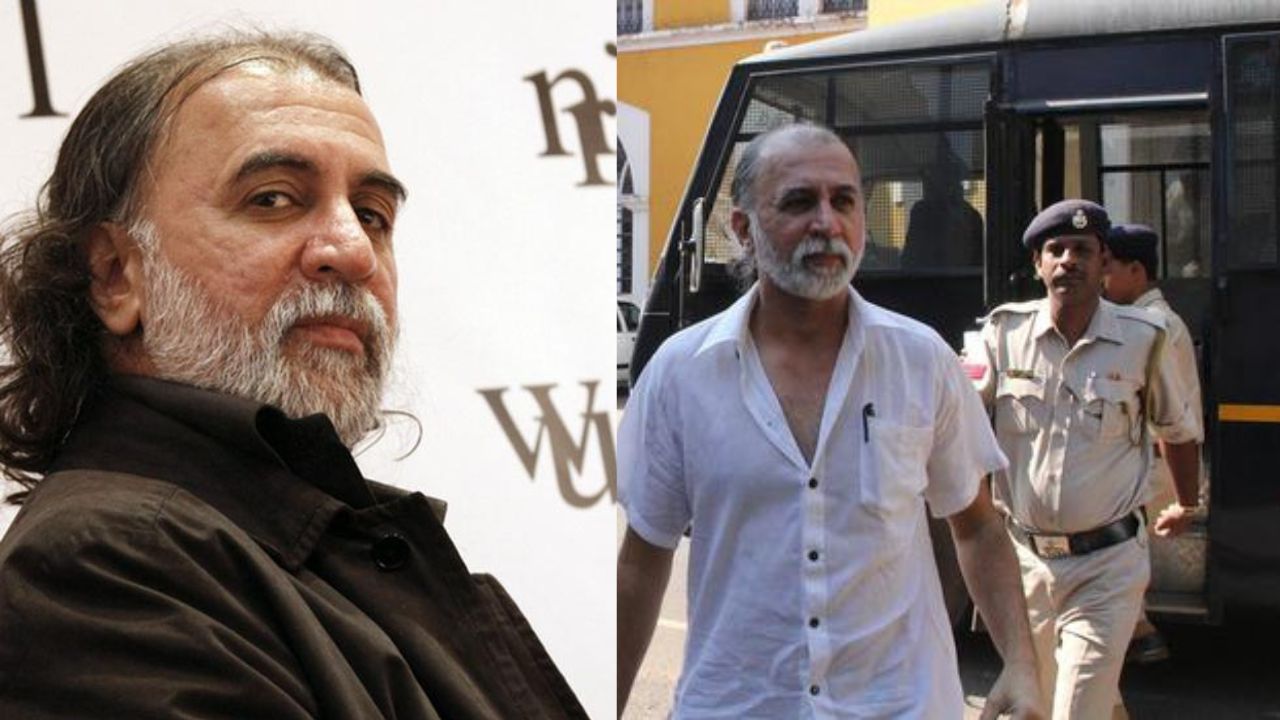
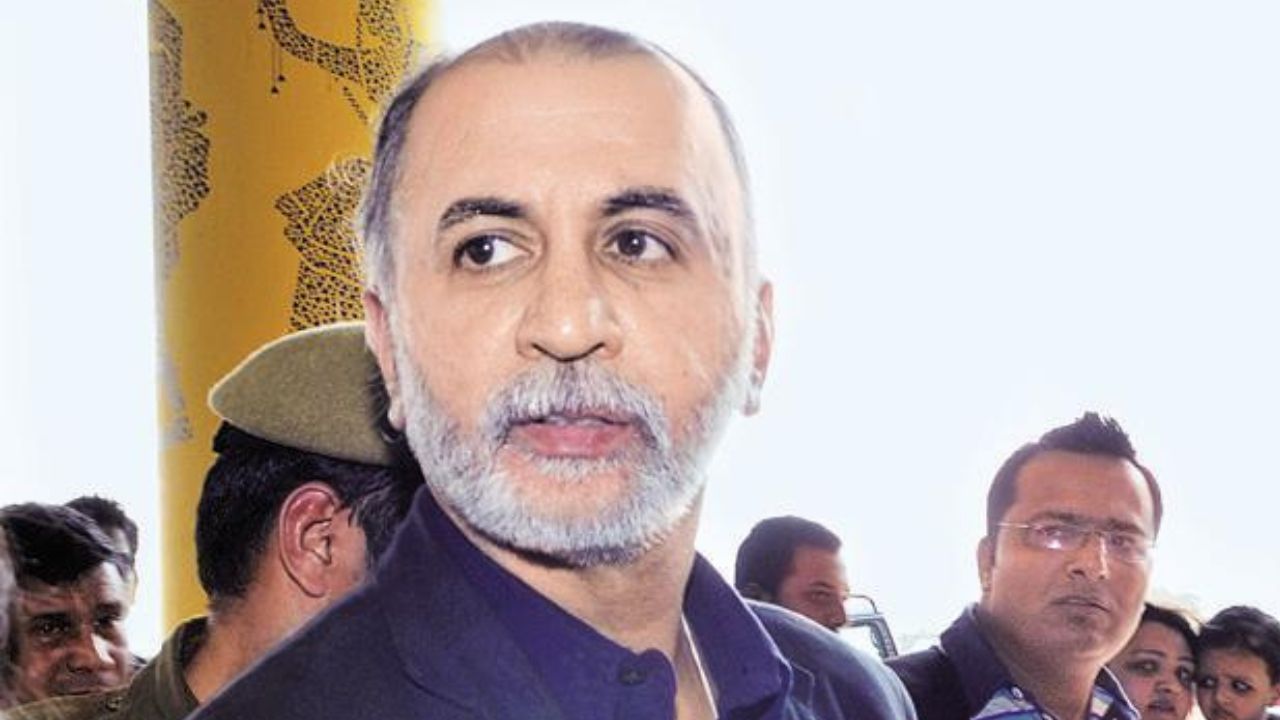
Porvorim: The Bombay High Court's Goa Bench on Thursday sentenced former Tehelka editor-in-chief Tarun Tejpal to 10 years of rigorous imprisonment in the 2013 rape case filed by his former junior colleague, bringing a major development in one of India's most high-profile sexual assault cases. The High Court also imposed a total fine of more than Rs 10 lakh after overturning his acquittal by the trial court.
The Division Bench of Justice Neela Gokhale and Justice Amit Jamsandekar convicted Tejpal under Sections 376(2)(f) and 376(2)(k) of the Indian Penal Code (IPC), which deal with aggravated rape committed by a person occupying a position of trust, authority, control or dominance over the victim. Since both offences prescribe a minimum punishment of 10 years, the court awarded the statutory minimum sentence of 10 years of rigorous imprisonment for each count along with a fine of Rs 5 lakh under each offence.
The High Court also sentenced Tejpal to one year of rigorous imprisonment under Section 354A of the IPC for sexual harassment, one year under Section 354 relating to assault or criminal force intended to outrage the modesty of a woman, and three years of rigorous imprisonment under Section 354B for assault or use of criminal force with the intention of disrobing a woman. Separate fines were also imposed, including Rs 10,000 under Section 354 and Rs 1,000 for offences under Sections 341 and 342 of the IPC relating to wrongful restraint and wrongful confinement. The court directed that all sentences would run concurrently, meaning Tejpal will serve a total prison term of 10 years.
While pronouncing the sentence, the Bench observed that the offence was repeated despite the victim's refusal and noted the absence of remorse on the part of the convict. At the same time, the judges considered mitigating circumstances, including the fact that the incident took place nearly 13 years ago and that there had been no subsequent allegations of misconduct against Tejpal. The court also observed that both parties had moved forward in their lives since the incident. After delivering the sentence, the Bench granted Tejpal two weeks to surrender before the jail authorities.
The sentencing came after the High Court earlier set aside the May 2021 acquittal delivered by the Additional Sessions Court in Mapusa, Goa. The acquittal had been challenged by the Goa Government through a criminal appeal, following which the High Court re-examined the evidence and reversed the trial court's findings. The matter was then listed for arguments on quantum of sentence before the final punishment was announced.
The case dates back to November 2013 when a junior woman journalist accused Tejpal of sexually assaulting her inside an elevator of a luxury hotel in Goa during an official event. Following the complaint, the Goa Police registered a First Information Report (FIR) under multiple provisions of the IPC, including rape. Tejpal was arrested in November 2013 and remained in judicial custody for several months before being granted bail in July 2014. The criminal trial began in 2017 and ended with his acquittal in 2021 after the trial court cited alleged lapses in the police investigation, including the non-production of important CCTV footage and other evidence.
During the sentencing hearing, Solicitor General Tushar Mehta, representing the State of Goa, urged the High Court to award the maximum punishment available under the IPC. He argued that sexual offences committed by individuals holding positions of authority over women require strict judicial response to create a strong deterrent. He submitted that the victim was Tejpal's junior colleague and that the age difference placed him in a position similar to that of a guardian. The prosecution also argued that the assault was repeated despite the victim's resistance and refusal, demonstrating a lack of remorse. It further submitted that the victim's maturity or professional standing should never be interpreted as consent and stressed that a woman's refusal to engage in sexual activity must always be respected under criminal law.
Appearing for Tejpal, Senior Advocate Aabad Ponda sought leniency in sentencing and requested that the High Court suspend the conviction for eight weeks to allow an appeal before the Supreme Court. The defence submitted that Tejpal had already spent around six months in custody after his arrest in 2013 and sought the benefit of set-off under Section 428 of the erstwhile Code of Criminal Procedure. The defence also argued that because the trial court had earlier acquitted him and the High Court had now reversed that verdict, he possessed a statutory right to challenge the conviction before the Supreme Court.
Tejpal also addressed the court personally and stated that he had nothing further to add beyond what had already been argued during the legal proceedings over the past 13 years. He referred to his age, family circumstances and his intention to challenge the High Court judgment before the Supreme Court while seeking a lenient approach in sentencing.