English
 English

AR Rahman recalls a fan’s 2014 prediction as he joins the musical team behind Ramayana. (Img: X)
Mumbai: Oscar-winning composer AR Rahman has revealed a fascinating anecdote about a fan who predicted his association with the epic Ramayana back in 2014, nearly 12 years before the celebrated musician became part of the ambitious cinematic adaptation. The revelation has added an intriguing personal dimension to one of the most eagerly anticipated Indian film projects, bringing renewed attention to the extraordinary musical collaboration between Rahman and acclaimed Hollywood composer Hans Zimmer.
According to Rahman, an admirer had foreseen that he would eventually compose music for a film based on the Ramayana, one of India's most enduring mythological narratives. With the composer now contributing to the large-scale cinematic retelling alongside Zimmer, the long-forgotten prediction has acquired an unexpected significance.
Reflecting on the remarkable coincidence, Rahman acknowledged that the fan had, in a sense, manifested the eventual outcome. The anecdote has added a compelling human-interest angle to the film's development, connecting a seemingly ordinary interaction from 2014 with a high-profile creative partnership that is now attracting considerable attention across the Indian entertainment industry.
The revelation comes as anticipation builds around the big-screen adaptation, which aims to reinterpret the ancient Indian epic for contemporary audiences through an expansive cinematic vision, sophisticated visual effects and an ambitious musical score.
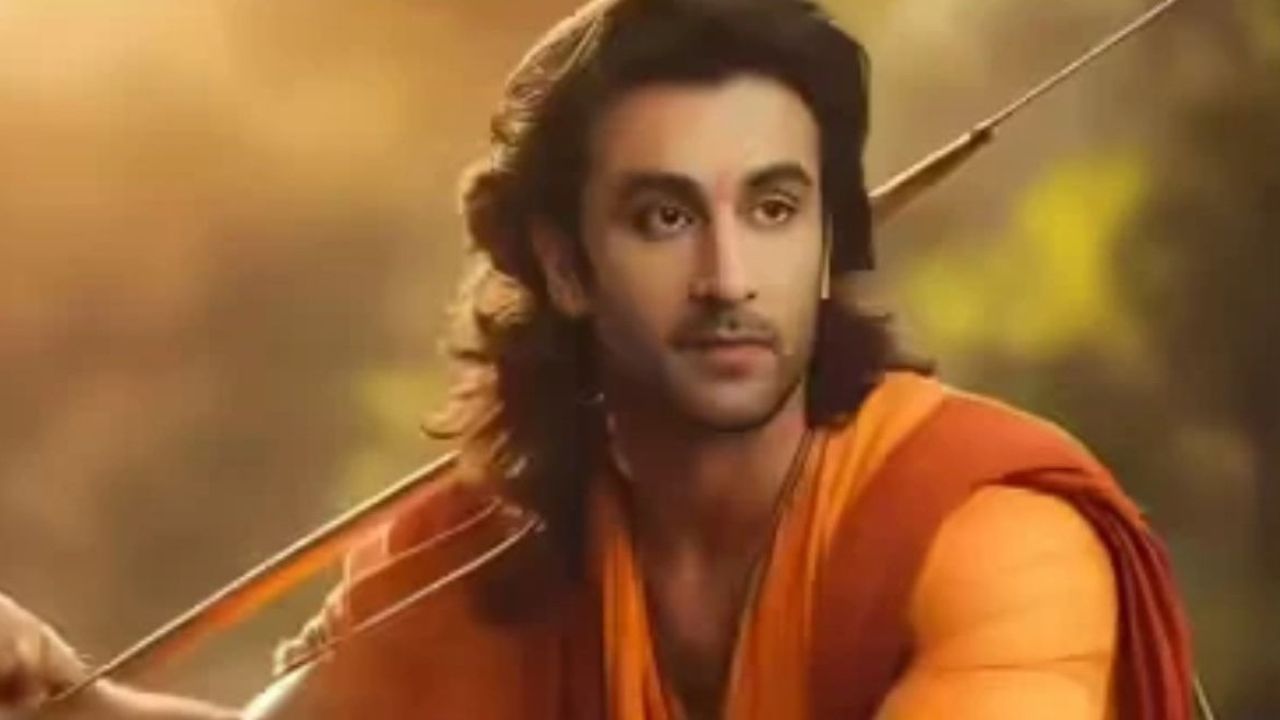
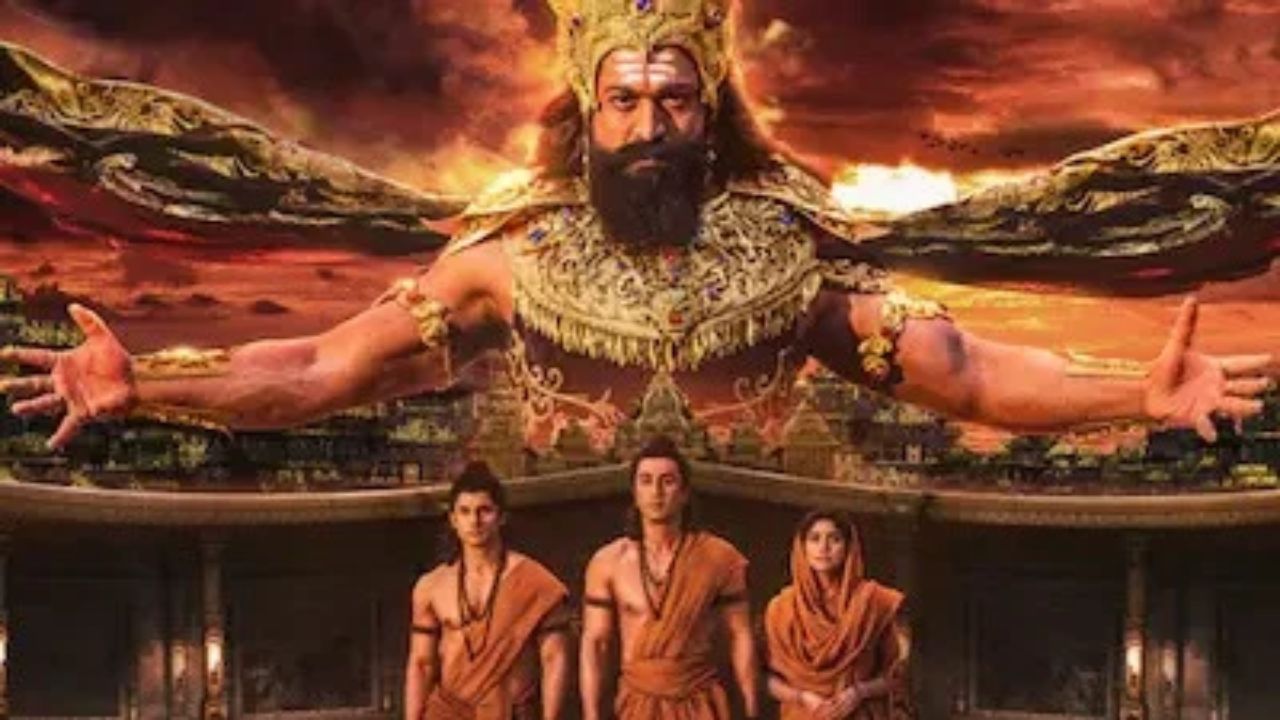
Directed by Nitesh Tiwari and produced by Namit Malhotra, Ramayana brings together an ensemble cast led by Ranbir Kapoor as Lord Rama, Sai Pallavi as Sita and Yash as Ravana. The film's musical dimension is being shaped by Rahman and Zimmer, bringing together two composers with distinctive artistic sensibilities and extensive international recognition.
The collaboration represents a meeting of Indian musical traditions and Hollywood's orchestral filmmaking approach. Rahman, an Academy Award-winning composer celebrated for integrating Indian classical influences, contemporary arrangements and global musical elements, has built an international reputation through his work across Indian cinema and international productions.
Zimmer, meanwhile, is widely recognised for his sweeping orchestral compositions, dramatic soundscapes and immersive musical scores. His celebrated body of work includes Hollywood productions such as The Lion King, Gladiator, Inception and Interstellar, establishing him as one of the industry's most influential film composers.
Their partnership on Ramayana is expected to be a major component of the film's cinematic identity. The combination of Rahman's Indian musical sensibilities and Zimmer's experience with large-scale orchestral scoring offers the production an opportunity to develop a distinctive sonic landscape for a story deeply embedded in India's cultural and spiritual heritage.
The musical score will be particularly significant in a narrative encompassing devotion, duty, righteousness, exile, conflict and the triumph of good over evil. These themes provide substantial creative scope for a soundtrack capable of balancing the epic's traditional cultural associations with the demands of contemporary, large-format cinema.
The international dimension of the collaboration also reflects the growing ambition of Indian filmmakers to develop productions that retain their cultural specificity while appealing to audiences across global theatrical markets.
Ramayana is planned as a two-part cinematic franchise, with the first instalment scheduled for a Diwali 2026 release and the second expected to arrive during Diwali 2027. The release strategy positions the project as a major festive-season theatrical event, with the two instalments intended to bring the epic narrative to the big screen on an expansive scale.
The production combines a prominent cast, an ambitious filmmaking vision and an internationally recognised musical team. Its creative approach is intended to translate a familiar mythological narrative into a contemporary cinematic experience supported by large-format filmmaking, visual effects and an expansive score.
The decision to divide the story into two instalments provides scope to explore its central characters, interconnected storylines and defining conflicts across a broader narrative canvas. It also places considerable importance on continuity in the film's visual language, character development and musical themes.
For Indian cinema, the project represents another significant attempt to bring a culturally influential epic to a broad theatrical audience while leveraging contemporary production capabilities and international creative expertise.
The film's appeal extends beyond its star cast and production scale. The Ramayana remains a foundational narrative in India's literary, religious and cultural traditions, with interpretations spanning generations, languages, regional storytelling traditions and performance arts. A major cinematic adaptation therefore carries both considerable audience interest and the creative responsibility of presenting a deeply familiar story to a diverse viewership.
Rahman's recollection of the fan's prediction has introduced an unusual backstory to his involvement in the film. What began as an admirer’s forecast in 2014 has become a striking point of coincidence, given the composer's eventual association with one of Indian cinema's most ambitious mythological productions.
The anecdote also offers a glimpse into the personal stories that can emerge around major entertainment projects, where chance encounters and long-held aspirations sometimes acquire new meaning years later.
With Rahman and Zimmer associated with the film's music, expectations surrounding Ramayana extend beyond its casting and visual spectacle to the prospect of an ambitious soundtrack that bridges Indian musical traditions and international cinematic scoring.
As the scheduled Diwali 2026 release of the first instalment approaches, the fan's prediction has added another talking point to the growing conversation around the film. The second instalment is expected during Diwali 2027, keeping the two-part adaptation firmly in the spotlight as audiences await the cinematic reimagining of one of India's most enduring epics.