English
 English

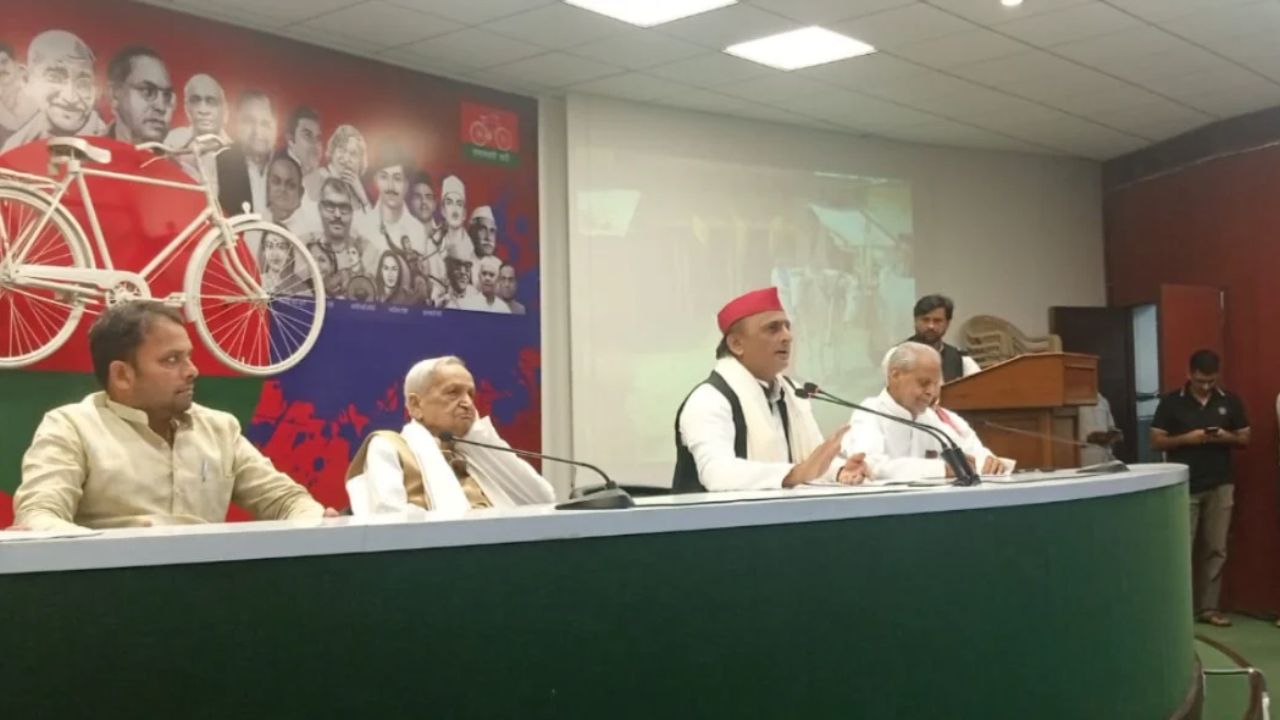
INDIA bloc leaders are preparing their next steps in the campaign over alleged electoral irregularities as a key virtual meeting is deferred. (Img: X)
New Delhi: The INDIA bloc’s proposed virtual meeting to coordinate its next phase of protests over alleged electoral irregularities has been deferred, leaving opposition leaders’ immediate strategy uncertain as preparations continue for a major rally in Delhi on November 1.
The meeting was expected to focus on the opposition’s ‘vote chori’ campaign, demands for Chief Election Commissioner Gyanesh Kumar’s resignation and the next steps in its challenge to the Special Intensive Revision (SIR) of electoral rolls. No fresh date for the meeting had been communicated, according to sources.
## Why Was the INDIA Bloc Meeting Important?
Congress president Mallikarjun Kharge was scheduled to chair the virtual meeting on Thursday evening. Opposition leaders were expected to review preparations for the November 1 rally, discuss a coordinated protest strategy and consider ways to sustain pressure on the government and the Election Commission over allegations of electoral malpractice.
The deferral leaves the alliance’s next round of joint deliberations pending. However, there has been no indication in the available information that the planned November 1 rally has been cancelled or postponed.
The meeting was significant because the INDIA bloc has been seeking to consolidate its campaign around electoral transparency, voter-list revisions and accountability within the poll machinery. A coordinated approach would help participating parties align their messaging and plan subsequent demonstrations.
## ‘Vote Chori’ Campaign Puts Election Commission Under Opposition Scrutiny
The opposition alliance has accused the Election Commission of irregularities linked to electoral processes and the SIR exercise. It has also demanded the resignation of Chief Election Commissioner Gyanesh Kumar. These remain opposition allegations and demands; the claims should not be treated as established findings.
The proposed meeting was expected to consider how the bloc could take its campaign forward and maintain political pressure ahead of the Delhi rally. The November 1 event is expected to be a key platform for the opposition to raise its concerns about electoral rolls and the functioning of election-related institutions.
The Election Commission’s role in maintaining accurate voter lists and conducting elections remains central to the dispute. Any allegations of voter exclusion or irregularities have implications for public confidence in the electoral process and underline the importance of transparent procedures, verifiable evidence and effective grievance redressal.
## Supreme Court Petition and October 12 March
The latest development comes after opposition leaders, activists and civil society members participated in a March for Democracy in New Delhi on October 12. The march took place along a heavily barricaded route as participants raised concerns over alleged electoral irregularities.
Opposition leaders also filed a joint petition in the Supreme Court challenging aspects of the Special Intensive Revision of electoral rolls. The move brought their concerns into the judicial arena, alongside the political campaign being pursued through protests and public mobilisation.
The opposition has argued that voter-list revision must not result in eligible citizens being excluded from the electoral process. The legal challenge and the political protests represent parallel efforts to press the issue, although the allegations will need to be assessed through the relevant legal and administrative processes.
## Rahul Gandhi’s Meeting With INDIA Bloc Leaders
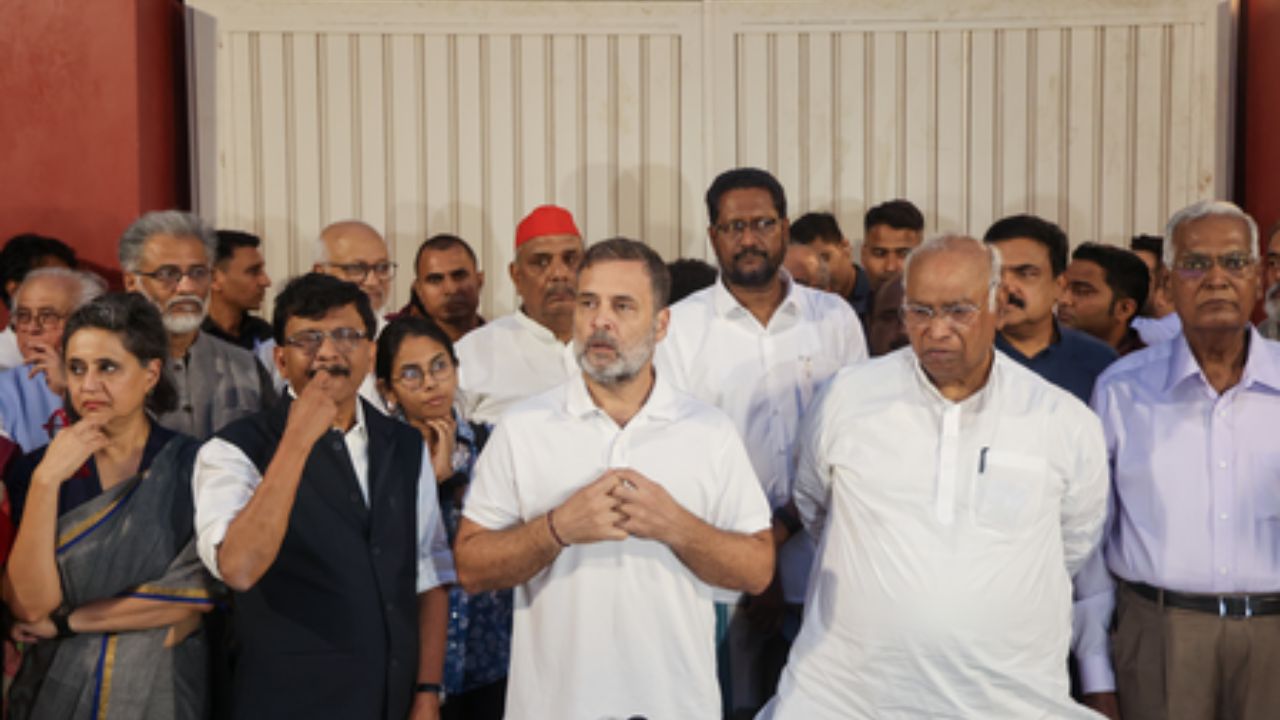
On October 13, Congress leader Rahul Gandhi hosted INDIA bloc leaders for tea at his residence. Following that meeting, the opposition alliance reiterated its intention to continue its campaign over alleged vote theft and electoral transparency.
The proposed virtual meeting was expected to build on those discussions by setting out a more detailed roadmap for protests and reviewing preparations for the November 1 rally. Its deferral means that the next round of formal coordination has yet to take place.
For the opposition, maintaining coordination among its constituent parties will be important as it seeks to sustain public attention on the issue. The timing, format and scale of future protests will depend on decisions taken by alliance leaders.
## Delimitation and Women’s Reservation Act Add to Political Significance
The meeting was also expected to take place against the backdrop of speculation about Parliament being convened to consider a Constitution Amendment Bill involving delimitation, in connection with the early implementation of the Women’s Reservation Act.
The issue adds another layer to the opposition’s political agenda, as questions surrounding electoral representation, constituency boundaries and women’s reservation carry wider implications for parliamentary politics. However, the available information does not establish that a parliamentary session or such a Bill has been formally scheduled.
## What Happens Next?
The immediate question is when the INDIA bloc will reschedule its virtual meeting and whether leaders will announce a more detailed programme for the next phase of their campaign.
For now, no fresh meeting date has been communicated in the information provided by sources. Preparations for the November 1 rally in Delhi remain a central focus, while the opposition’s demands concerning Chief Election Commissioner Gyanesh Kumar and its objections to the SIR exercise continue to shape the political debate.
The next developments are likely to clarify how the alliance plans to coordinate its constituent parties, pursue its legal and political challenges, and take its concerns about electoral transparency to the public.