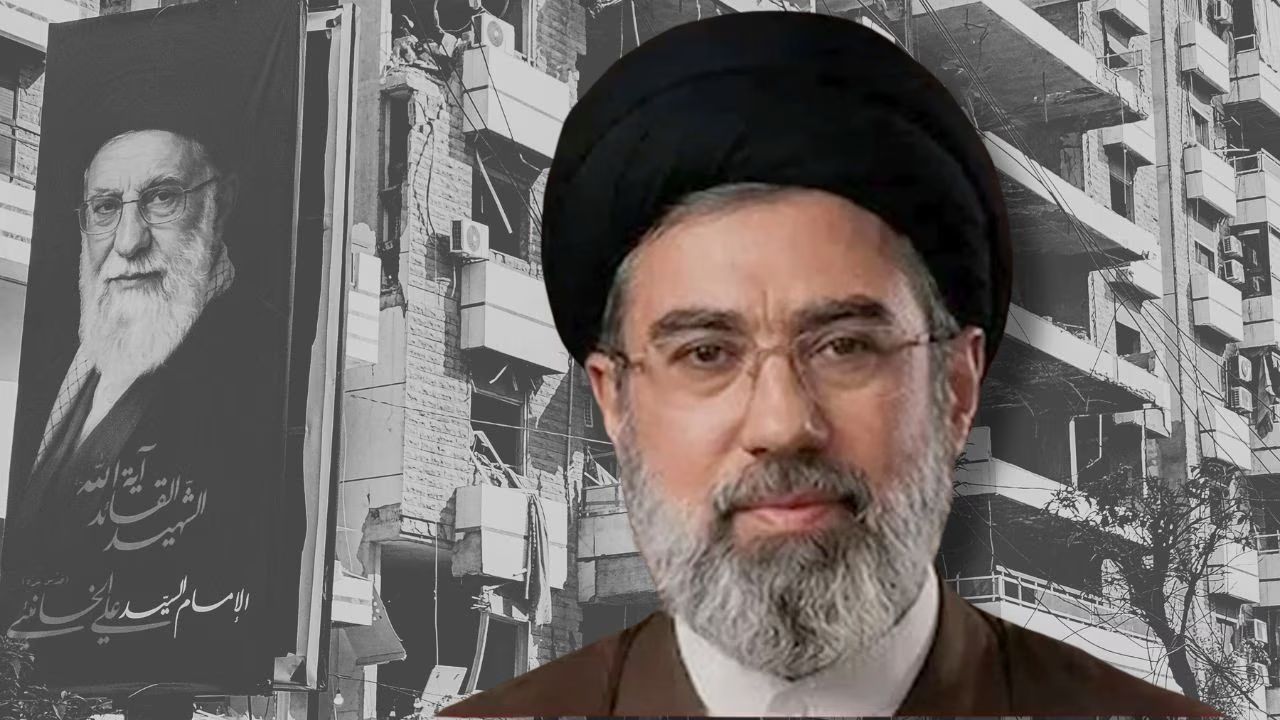
Tehran: Iran’s newly appointed supreme leader Mojtaba Khamenei delivered his first public message on Thursday as the conflict involving United States, Israel and Iran continues to intensify.
The statement was broadcast on Iranian state television and outlined Tehran’s stance on the ongoing war, including warnings about retaliation, military pressure in the Gulf region and possible escalation of attacks.
Mojtaba Khamenei assumed the role of supreme leader after the killing of his father, Ali Khamenei, during the early phase of the conflict.
Get Ready For Oil At $200 A Barrel: Iran issues stark warning as it fires on merchant ships
Strait of Hormuz as Strategic Pressure Point
In his remarks, the Iranian leader suggested that the Strait of Hormuz should remain closed as part of Tehran’s strategy during the conflict.
The narrow waterway is one of the most important global oil transit routes, carrying a significant share of the world’s crude shipments. Any disruption in the strait has the potential to affect global energy markets and shipping routes.
Warning to US Military Presence
Khamenei also warned about the presence of American military installations across the region. According to the statement, US bases operating in the Gulf region could face attacks if they continue to function during the conflict.
He called on Gulf countries hosting American forces to shut down such bases, claiming that the security assurances provided by Washington were unreliable.
Iran Signals Continued Regional Pressure
The statement indicated that Iran intends to continue applying pressure across the region as part of its response to the ongoing war. Tehran signalled that its military operations targeting strategic and regional interests could continue.
Khamenei also warned that Iran would seek compensation from its adversaries and could respond by targeting assets belonging to its opponents.
Conflict Escalates Across Gulf Region
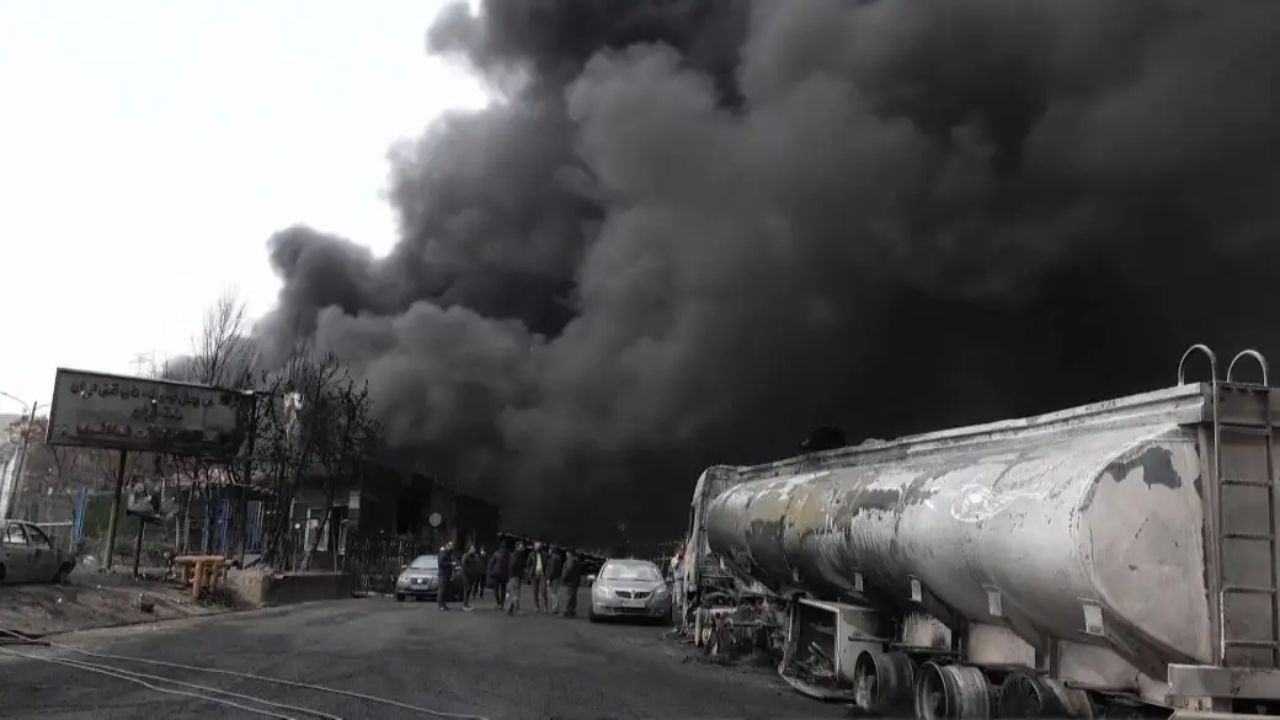
The message comes amid growing tensions in the Gulf, where attacks have reportedly targeted commercial vessels near key maritime routes.
The escalation has already affected global oil markets, with crude prices rising sharply as concerns grow about the security of energy supply routes. Observers say the situation remains volatile, with fears that continued hostilities could further destabilise the region and disrupt international trade and energy flows.