 English
 English

A new twist in South Asian trade dynamics
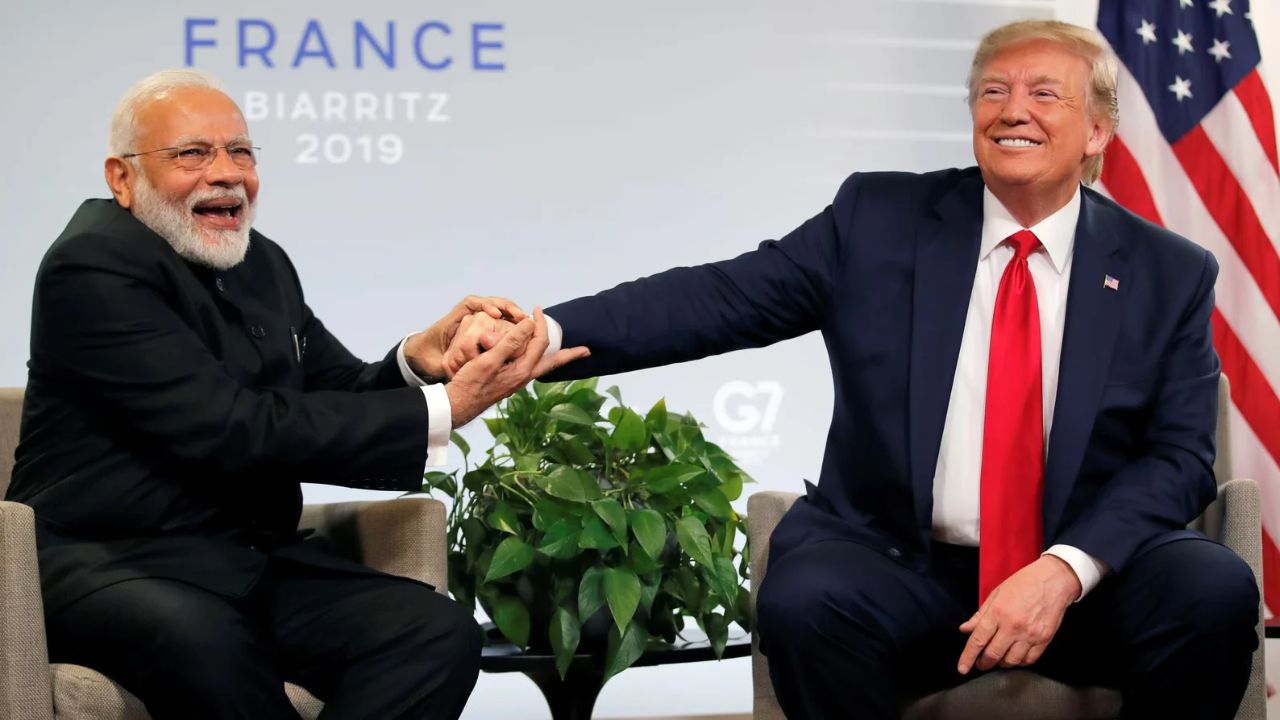
New Delhi: Following the recently concluded trade agreement between India and the United States, another major development is unfolding in South Asia. India’s neighbour Bangladesh has reportedly moved closer to finalising its own trade deal with the US.
What has drawn significant attention is the timing of this agreement, which is expected to be signed on February 9—just three days before Bangladesh’s parliamentary elections.
Coming barely a week after the India–US trade deal, this development has raised eyebrows among industry leaders, economists, and policy experts within Bangladesh.
The proposed Bangladesh–US trade deal has become controversial primarily because of its secrecy and timing. According to Bangladeshi media reports, the terms and conditions of the agreement will not be made public, and the draft is being kept strictly confidential.
Leading daily Prothom Alo has highlighted that concluding such a major and far-reaching agreement at the very end of a government’s term creates discomfort and uncertainty.
If the deal is signed on February 9, it would be one of the final decisions taken by the interim government, just days before voters head to the polls for the 13th parliamentary elections.
Concerns have intensified due to comparisons with the recently signed India–US trade deal. After that agreement, tariffs imposed on Indian goods were reportedly reduced from 50 percent to 18 percent.
Indian Commerce Minister Piyush Goyal has indicated that the detailed framework of the India–US trade agreement will soon be made public, possibly within four to five days, along with an executive order from the US side implementing the reduced tariff.
In contrast, the complete lack of transparency around the Bangladesh–US deal has triggered fears about its potential implications.
Bangladesh’s business community is particularly worried about how the agreement may affect key sectors of the economy. Export-oriented industries, especially the ready-made garments sector, are seen as most vulnerable.
Industry bodies fear that unfavorable terms could weaken Bangladesh’s competitive position in the US market. The Bangladesh Garment Manufacturers and Exporters Association (BGMEA) has openly questioned the decision-making process behind the deal.
BGMEA Senior Vice President Inamul Haq Khan has strongly criticised the timing of the agreement. He has argued that a trade deal with long-term economic consequences should have been negotiated and signed by a newly elected government rather than an interim administration.
According to him, decisions taken by a temporary government could create complications for future policymakers and introduce uncertainty for businesses.
Overall, while Bangladesh’s move is seen as strategically important for regional trade balance following the India–US agreement, the secrecy and pre-election timing have heightened political and economic anxiety within the country.
The coming days will be crucial in determining whether the deal benefits Bangladesh or adds further strain to its industries and governance framework.