English
 English

Strait of Hormuz Under Attack (Img: Pinterest)
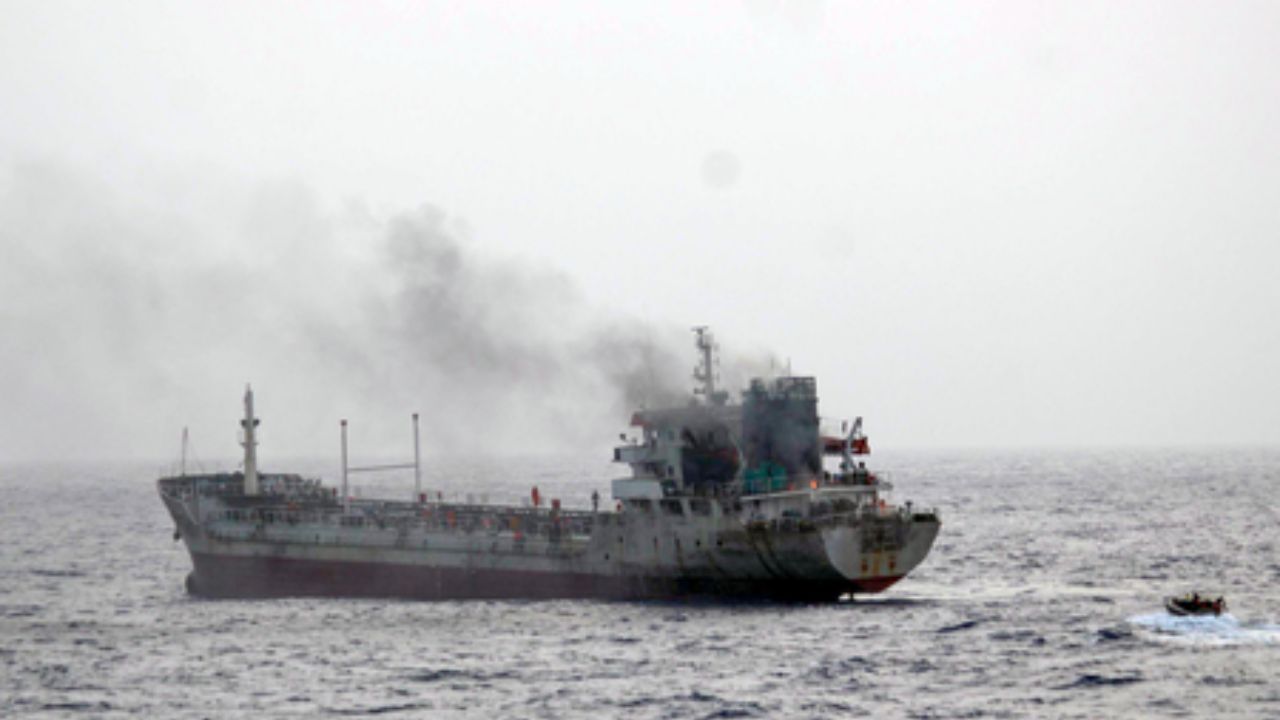
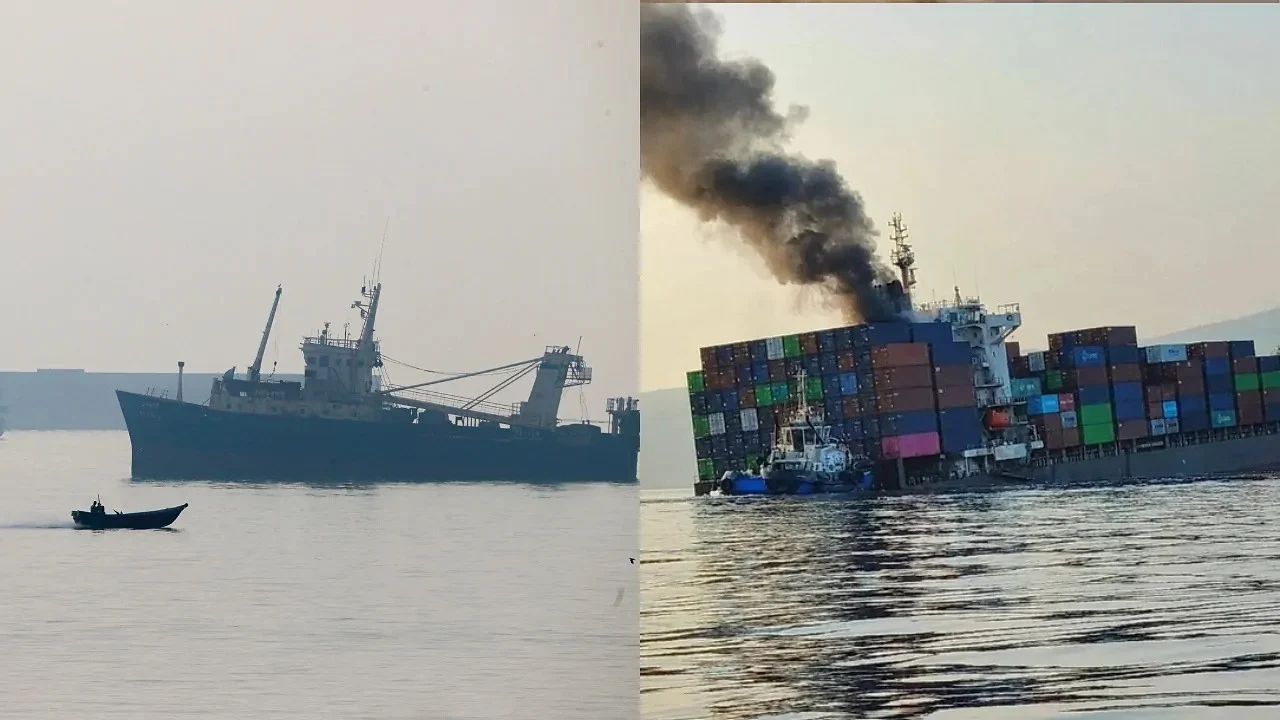
Tehran: Tensions in the Strait of Hormuz continue to escalate as another tanker was reportedly attacked, raising fresh concerns over global energy supplies and maritime security. The latest incident comes amid the ongoing US-Israel conflict with Iran, which has severely disrupted one of the world’s most important shipping routes.
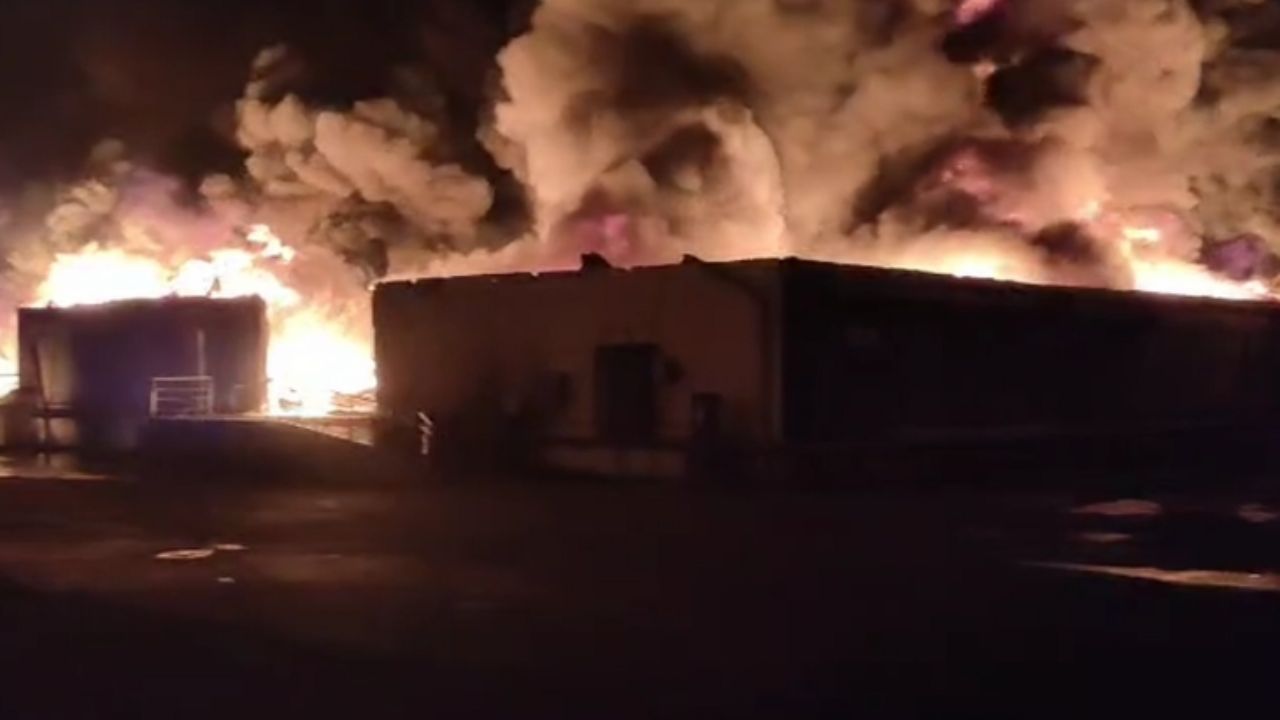
The United Kingdom Maritime Trade Operations (UKMTO) reported that an oil tanker was struck by an unidentified projectile in waters between Oman and Iran. The vessel caught fire after the attack, but the blaze was later brought under control. All crew members were reported safe, and no environmental damage has been confirmed so far.
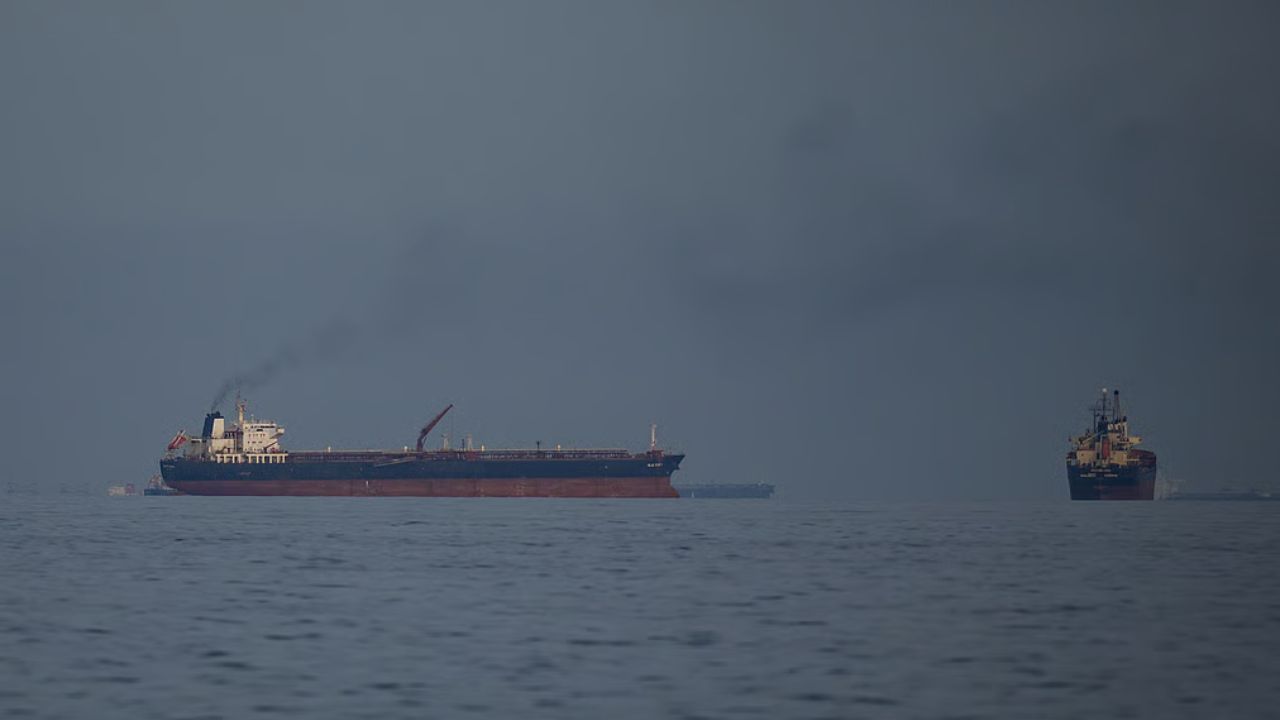
The strategic waterway has witnessed a massive decline in shipping activity since the start of the conflict. Before the war, more than 100 vessels crossed the Strait of Hormuz every day. However, recent data shows that only around five ships are now making confirmed crossings daily.
According to shipping analytics firm Kpler, traffic through the strait has fallen by nearly 95% compared to normal levels before the conflict.
The Strait of Hormuz, located between Iran and Oman, is considered one of the world’s most critical energy chokepoints. A significant portion of global crude oil, liquefied petroleum gas (LPG), and liquefied natural gas (LNG) shipments pass through this narrow waterway.
Experts say the crisis has become more serious because there is no major alternative sea route available for replacing Hormuz. While some pipelines exist, they cannot fully compensate for the massive volume of energy shipments that normally pass through the strait.
Richard Matthews of Gibson Shipbrokers said the current situation represents one of the biggest disruptions ever seen at a major maritime chokepoint because global shipping has limited options.
Despite the crisis, a small number of vessels continue to pass through the waterway using temporary routes agreed between Iran and Oman.
Iran has directed ships to use a northern route close to its coastline near the islands of Larak and Qeshm. Most remaining traffic reportedly involves vessels travelling with additional security measures or operating with tracking systems disabled.
The continued instability around Hormuz has increased concerns over oil prices, energy security and global trade. Regional countries, including Qatar, have called for efforts to reduce tensions and find a diplomatic solution.
With further attacks remaining a possibility, the Strait of Hormuz crisis is being closely watched by governments, shipping companies and energy markets worldwide.