English
 English

Two Ships Sink Near Strait Of Hormuz As Iran Steps Up Attacks, Oil Shipments Fall
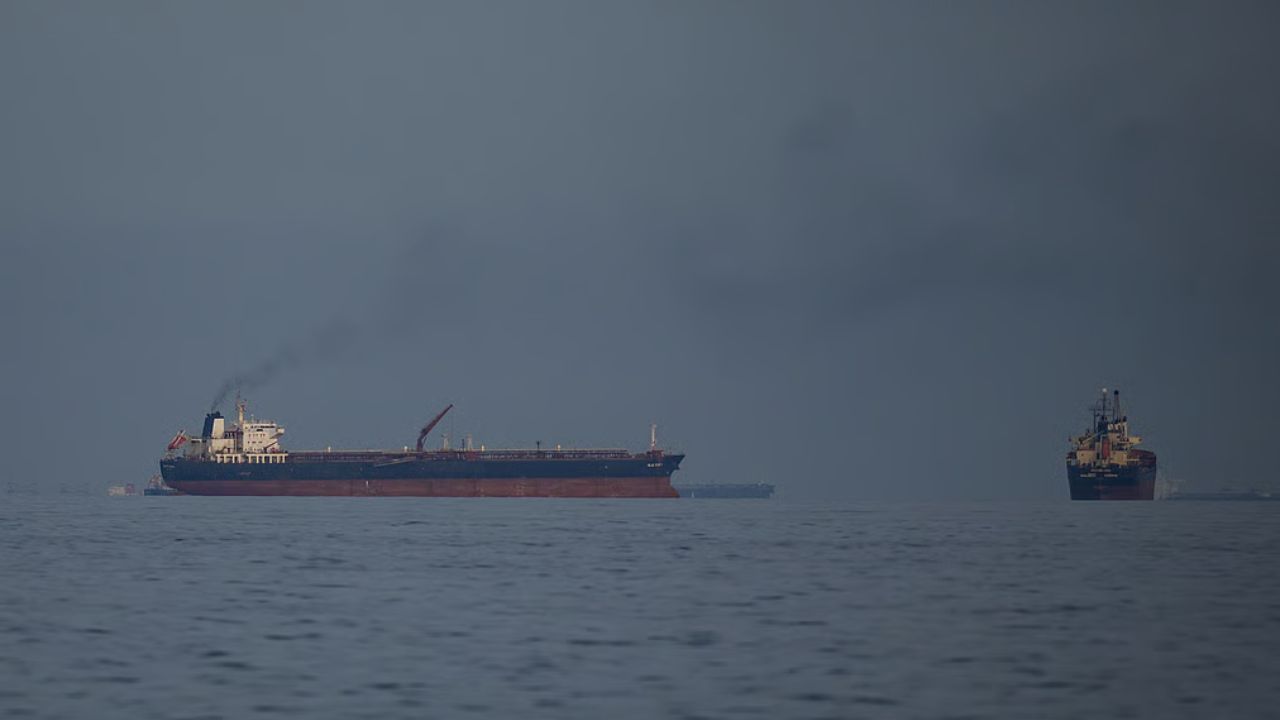
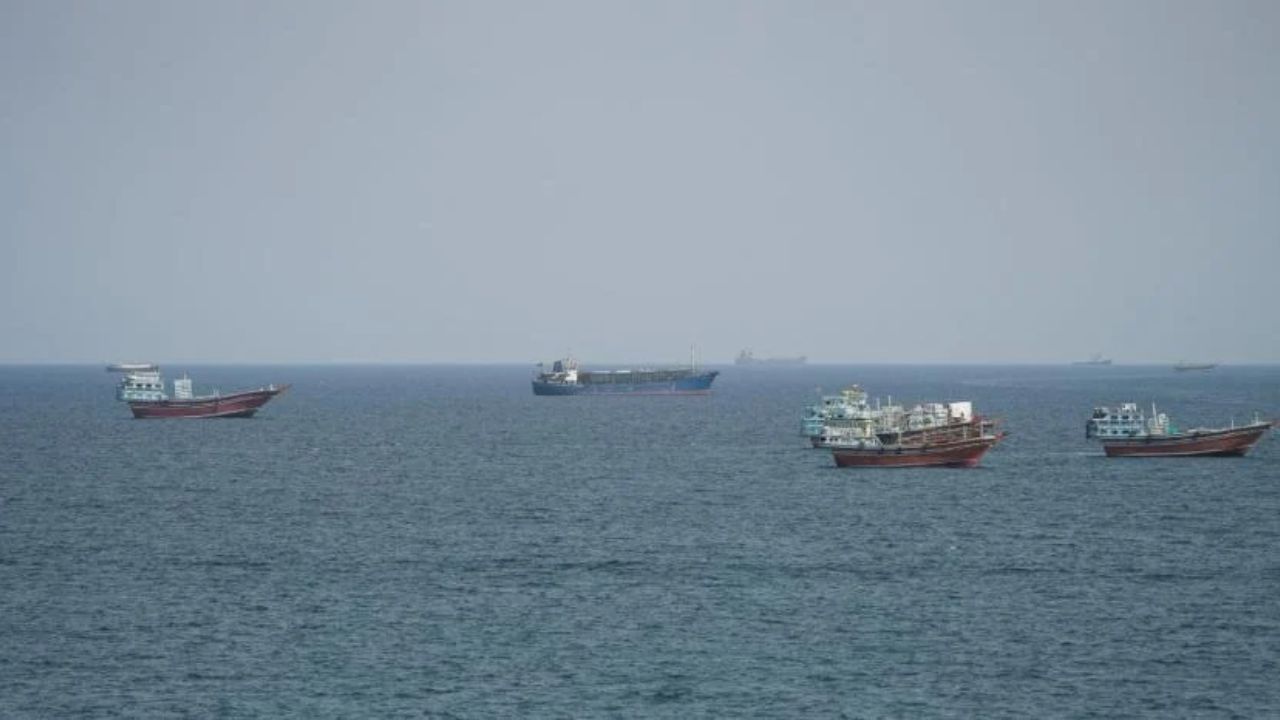
Tehran: Two commercial vessels have sunk near the strategically important Strait of Hormuz following separate incidents involving projectiles, according to maritime security reports. The incidents come amid a sharp increase in attacks on commercial shipping, raising concerns over the safety of one of the world's most important routes for oil and liquefied natural gas (LNG) transportation.
The Singapore-flagged container ship GFS Pride sank after sustaining damage and catching fire while travelling through the strait on October 13. Singapore's Maritime and Port Authority confirmed that all 21 crew members were safely evacuated and no injuries were reported.
A second vessel, the Antigua and Barbuda-flagged bulk carrier Cape Dao, also sank after an earlier projectile strike on September 23. Maritime sources reported that one crew member died in the earlier incident, while the remaining crew members were evacuated.
The incidents have intensified concerns about the risks faced by commercial vessels operating in and around the Strait of Hormuz. Responsibility for the latest projectile attacks has not been independently established in all cases.
The attacks come as tensions between Iran and the United States continue to affect maritime traffic in the region. Iran has tightened restrictions on shipping through the strait amid the ongoing conflict and US pressure on Iranian ports.
Maritime security agencies have reported a rise in incidents involving commercial vessels over recent days. The threat is no longer limited to oil tankers, with container ships and bulk carriers also facing serious risks.
Iran has said that some vessels have attempted to use routes it considers unauthorised. However, maritime monitoring reports have described projectile attacks on commercial ships, leaving questions about the circumstances surrounding individual incidents.
The United Kingdom Maritime Trade Operations agency has continued monitoring security incidents in the region as concerns grow over the safety of civilian crews and international shipping.
The Strait of Hormuz is a critical passage connecting the Persian Gulf with the Gulf of Oman and the wider Arabian Sea. Before the conflict, roughly one-fifth of global oil and LNG trade passed through the waterway, making disruptions there a major concern for energy markets.
Recent attacks and security restrictions have reduced vessel movements through the strait. Reuters reported on October 8 that crude oil flows through the waterway had fallen significantly from pre-war levels, according to shipping and commodities data.
Any prolonged disruption could increase transportation costs, complicate energy exports and put upward pressure on international oil prices. The impact will depend on the duration of the disruption, the availability of alternative export routes and the security measures taken to protect commercial shipping.
The latest incidents underline the growing risks for shipping companies, insurers and energy traders operating in the Middle East. Higher insurance premiums, delayed voyages and concerns about crew safety could add further pressure to international supply chains.
With tensions continuing around the Strait of Hormuz, the security of commercial shipping and the stability of global energy supplies remain major concerns. Further escalation could have consequences well beyond the region, particularly for countries heavily dependent on imported oil and gas.