English
 English

India expressed deep concern over the rapidly escalating tensions in the Middle East
New Delhi: India on Saturday expressed deep concern over the rapidly escalating tensions in the Middle East following joint military strikes by the United States and Israel on Iran, calling for restraint and dialogue to prevent further instability in the Gulf region.
Reacting to the situation, Ministry of External Affairs spokesperson Randhir Jaiswal said India is closely monitoring developments and urged all sides to resolve differences through diplomacy. He emphasized that the safety of civilians and regional stability must remain a priority amid rising hostilities.
Khamenei Alive, Says Iran Foreign Minister Amid Reports of Death After US-Israel Strikes
In an official statement, the MEA said Indian missions across the region are in constant contact with Indian nationals and have advised them to remain cautious and follow local security advisories.
“We urge all sides to exercise restraint, avoid escalation, and prioritise the safety of civilians,” Jaiswal said. “Dialogue and diplomacy should be pursued to de-escalate tensions and address underlying issues. The sovereignty and territorial integrity of all states must be respected.”
The government also reassured that it is keeping a close watch on the safety of the large Indian diaspora living and working across Gulf countries.
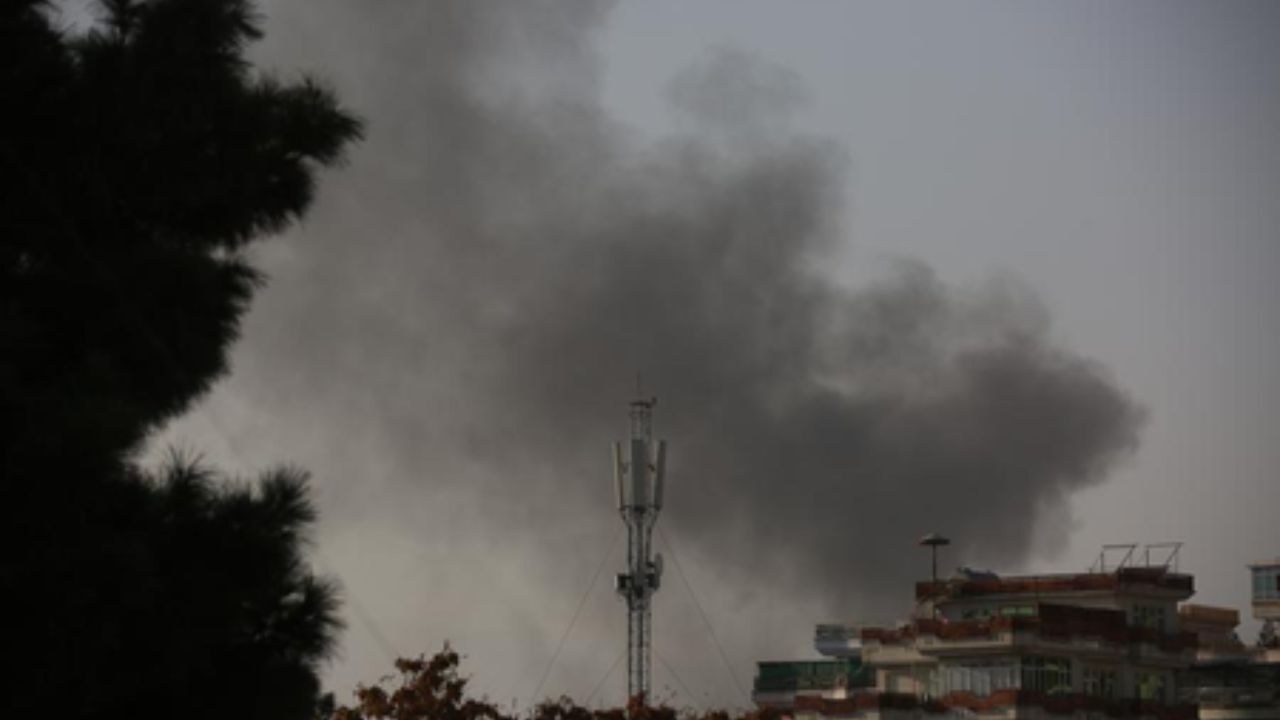
The situation in the Middle East deteriorated after the US and Israel reportedly carried out coordinated strikes targeting Iranian military infrastructure. The action followed stalled negotiations over Iran’s nuclear programme, which Western countries suspect could lead to the development of nuclear weapons.
Iran, however, has consistently maintained that its nuclear programme is intended solely for peaceful civilian purposes such as energy generation and scientific research. The strikes are believed to have caused significant damage and further intensified geopolitical tensions in the region.
According to media reports, Iran’s Defence Minister Amir Nasirzadeh and senior Revolutionary Guard commander Mohammed Pakpour were likely killed in the attacks.
Following the strikes, Iran reportedly launched retaliatory actions targeting US military installations in several Gulf countries, including bases in Qatar, Kuwait, and the United Arab Emirates.
UN Security Council to hold emergency meeting on Iran amid military escalation; Full story here
The escalation has alarmed regional governments, with Gulf nations urging restraint and calling for diplomatic engagement to prevent a wider conflict.
Several European countries, including Germany, France, Switzerland, and Italy, are also closely tracking the situation and have convened emergency discussions. They have urged all parties to exercise maximum restraint and prioritise the protection of civilian lives.
With tensions mounting, analysts warn that any further escalation could have far-reaching consequences for regional stability, global energy markets, and international security.